Forest Bathing (Shinrin-yoku) In Japan: Is Aokigahara Good For It?
Shinrin-yoku is not a hike and it is not a wellness trend invented for Instagram. It is a specific, named practice with a Japanese government office behind its origin, and Aokigahara's dense, sound-absorbing forest floor happens to be well suited to doing it properly.
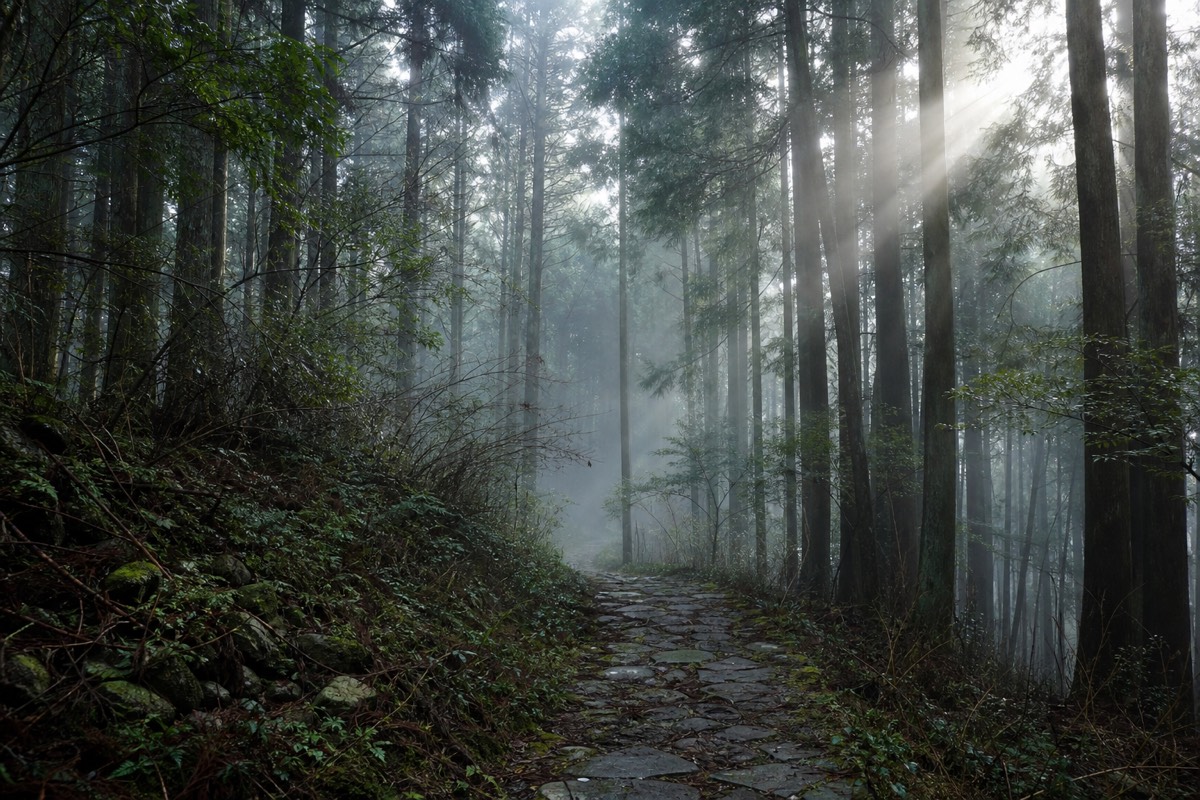
The word itself is the clearest starting point. Shinrin-yoku, 森林浴, translates literally as "forest bath," and it means immersing yourself in a forest atmosphere through slow, attentive walking, not covering distance or reaching a summit.
The nature walk includes a quieter second half. It is not a verified therapy or dedicated shinrin-yoku session; confirm the pace if that is your priority.
3.5 hours: Geology commentary followed by a quieter stretch beneath the canopy. English guide; meet at NaturaBase opposite Fuji Lake Hotel and return there. Bottled water included; lunch extra.
Walk The Lava Forest With A Guide · Choose by time and starting pointWhat Is Shinrin-yoku, Actually?
Shinrin-yoku is a Japanese practice of walking slowly and mindfully through a forest, engaging the senses (sight, smell, sound, touch) rather than aiming for exercise or a destination. It was coined as an official term in 1982 by Japan's Ministry of Agriculture, Forestry and Fisheries as part of a public-health and forest-conservation initiative.
Tomohide Akiyama, then director general of the ministry's forestry division, introduced the term at a moment when Japan's rapid postwar urbanization and long working hours were drawing public attention to stress and burnout. The idea combined two goals in one: give urban residents a low-effort way to reduce stress, and build public support for maintaining Japan's forests by giving people a personal reason to value them.
Is There Real Research Behind It, Or Is It Just A Nice Idea?
Yes, there is a real research basis, developed mostly from the late 1970s through the following decades: Japanese researchers documented measurable physiological changes after time in forests, including reduced stress-hormone markers and shifts in immune-function measures, and Japan's national tourism body describes it today as "a scientifically proven therapy." This guide reports that framing rather than any specific figures, since exact study numbers vary by source and are outside what can be independently verified here.
What matters practically is the shape of the claim: shinrin-yoku is associated with measurable relaxation responses, not just a subjective feeling of calm. That is different from claiming it cures anything, and legitimate sources describing it are careful to frame it as a wellness practice alongside sleep, diet and exercise, not a replacement for medical care.
How Is It Different From A Regular Hike?
A hike is oriented around covering distance or reaching a viewpoint; shinrin-yoku is oriented around slowing down, often covering under a kilometer in an hour, and deliberately noticing the forest through smell, sound, texture and light rather than treating the walk as exercise. The pace is the entire point, not an inconvenience to be optimized away.
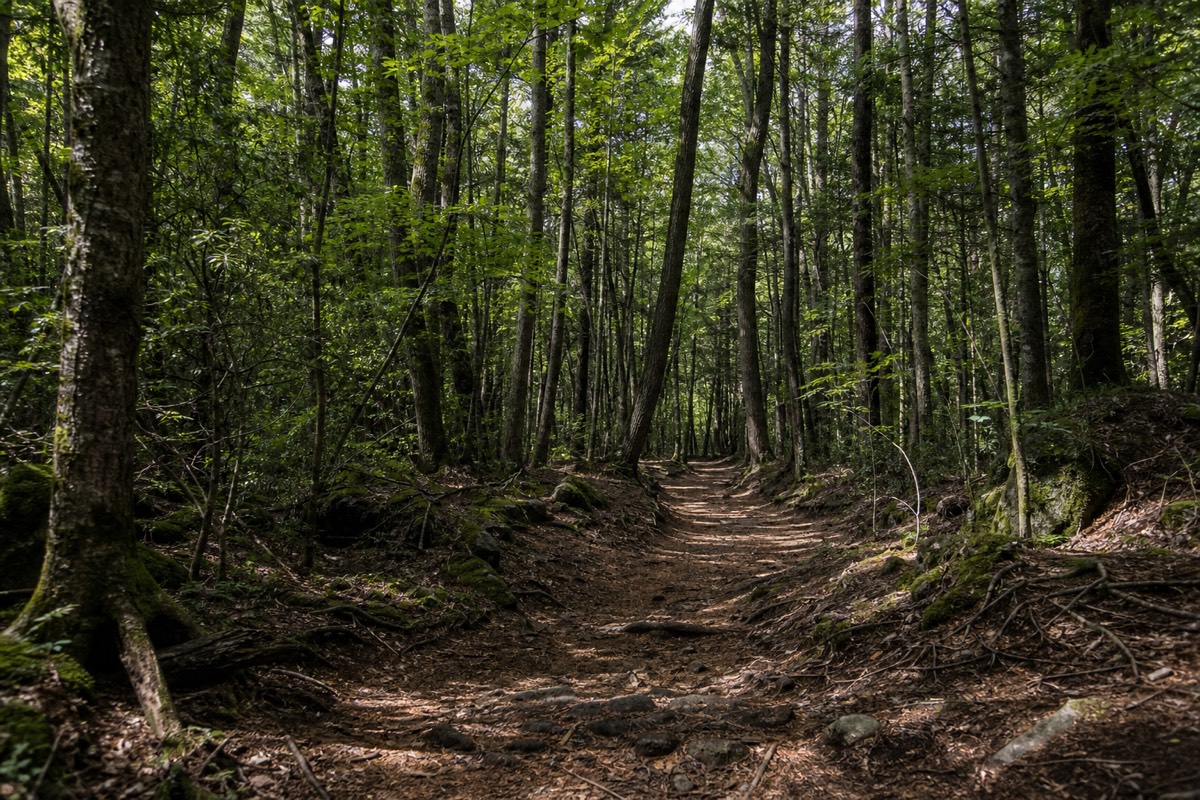
In practice this looks less like hiking and more like a very slow, attentive stroll: stopping to notice how light filters through the canopy, touching bark or moss, breathing deliberately, sitting still for a stretch rather than pushing on. Guided shinrin-yoku sessions in Japan sometimes build in specific prompts, like closing your eyes to focus on sound, precisely because most visitors default to hiking pace unless someone actively slows them down.
Why Does Aokigahara Suit This Particular Practice?
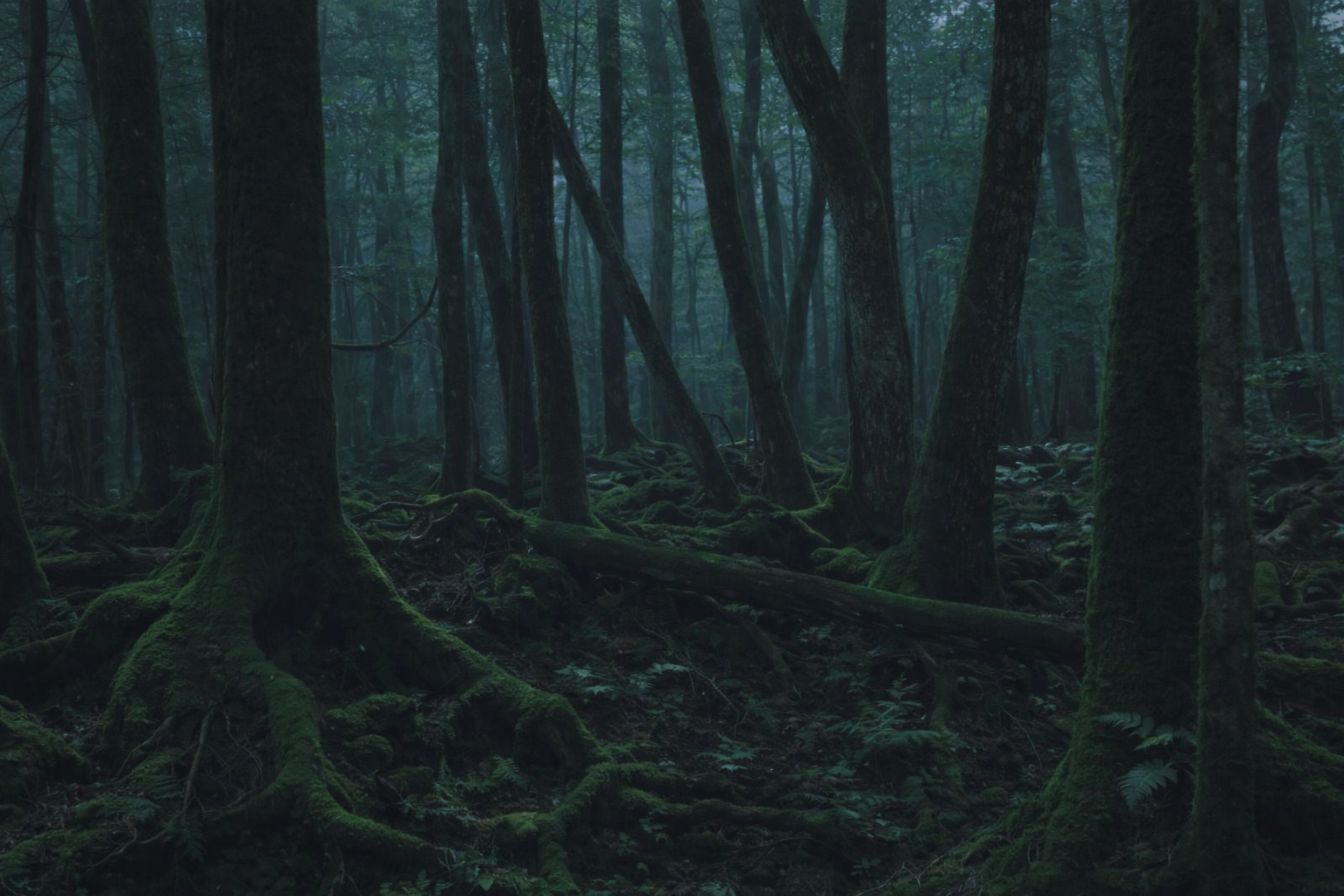
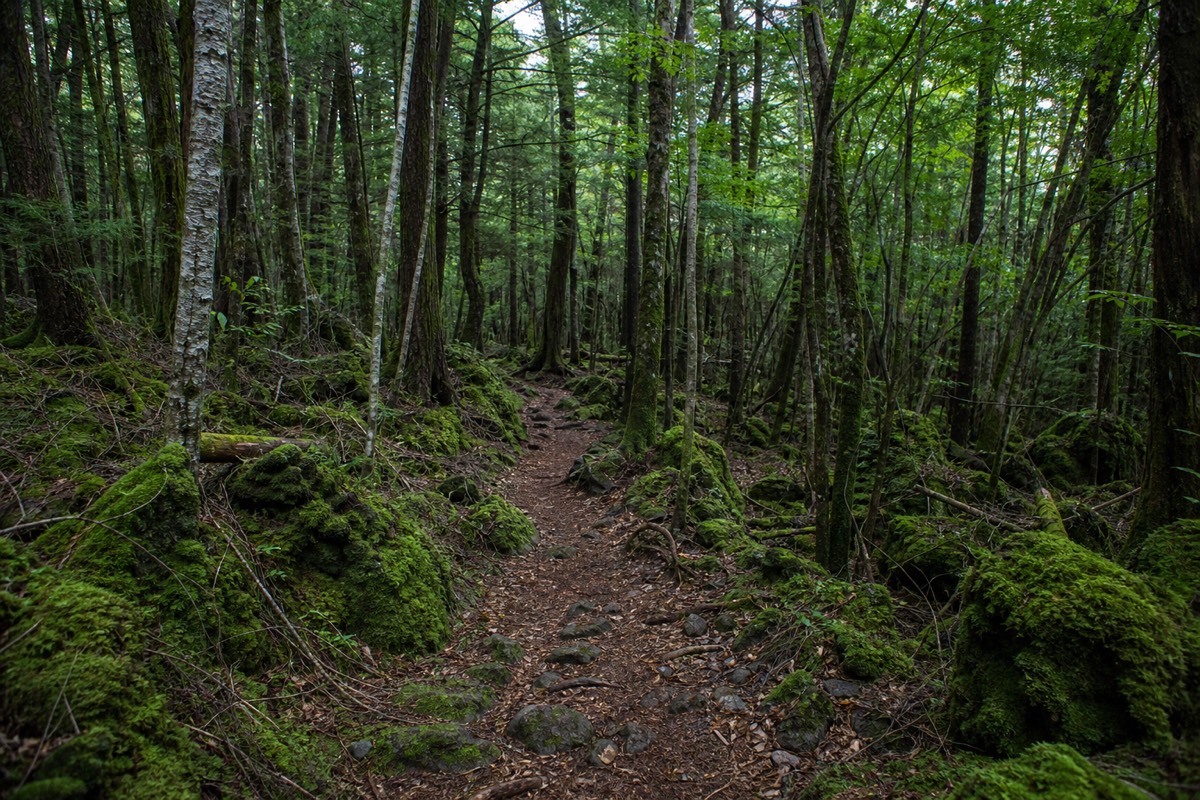
Aokigahara's density of trees, the deep, springy moss covering its lava-rock floor, and the way that porous lava rock absorbs sound rather than reflecting it combine to create an unusually quiet, enclosed forest environment, exactly the sensory conditions shinrin-yoku is built around. This is a physical property of the terrain, not a mood or an atmosphere someone talks you into.
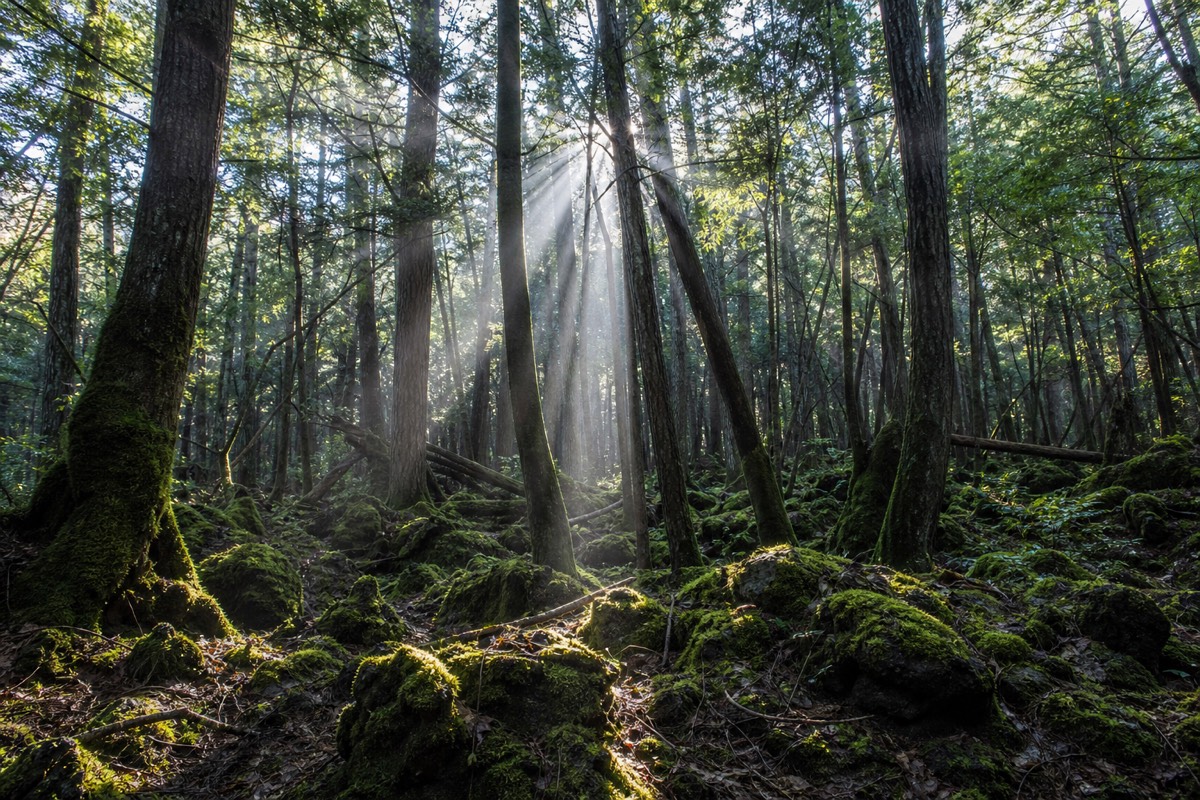
The forest grew on lava from Mount Fuji's 864 CE eruption, and its tree roots spread horizontally across the surface of that hardened lava rather than digging down into it, since the rock underneath is too dense to penetrate. That surface root structure, combined with a forest floor that has never been logged in the way of most managed Japanese woodland, produces the dense, uniform, deeply quiet canopy that visitors and guides consistently describe. Japan's national parks program includes Aokigahara, part of Fuji-Hakone-Izu National Park, in its own forest-bathing material for the Fuji foothills, alongside a stated travel time of roughly 1 hour 40 minutes from central Tokyo, framing it as an easy addition to a Tokyo-based itinerary rather than a specialist retreat.
Shinrin-yoku Vs. A Standard Hike, Side By Side
| Shinrin-yoku (forest bathing) | A standard forest hike | |
|---|---|---|
| Goal | Sensory immersion, slowing down | Covering distance, reaching a point |
| Pace | Very slow, frequent pauses | Steady, sustained walking pace |
| Typical distance | Often under 1 km in an hour | Several km over the same time |
| What it's suited to | Stress reduction, mindfulness | Fitness, scenery, reaching a summit or viewpoint |
| Guide's role, if guided | Prompts attention, sets pace, shares ecology | Leads route, manages timing and safety |
What Does A Calm, Guided Visit Actually Look Like?
A guided forest-bathing style visit to Aokigahara moves at a deliberately unhurried pace along marked trails, with the guide pointing out the forest's geology, root structures and quiet rather than pushing toward a destination, and typically pairs naturally with a stop at one of the forest's lava caves, since those visits are inherently slow and sensory too.
This differs from the faster-paced trekking tours also offered in the area, which cover more ground and are built more around seeing multiple sights in a set window of time. Neither approach is more "correct." Travelers who want the calmer, slower version specifically should look for tours that describe themselves as intimate, small-group or nature-focused rather than ones emphasizing distance covered or number of stops, and it is a reasonable question to ask a guide directly before booking.
How Do You Prepare For A Forest-bathing Style Visit?
Almost nothing specialized: comfortable closed shoes with grip for the uneven lava-rock trail, a light jacket even in warm weather since the forest and its caves run cooler than the surrounding towns, and, most importantly, enough unscheduled time that you're not watching the clock. Shinrin-yoku is one of the few outdoor activities in Japan that asks less of your gear list than of your pace.
Leaving the phone in a pocket, rather than out for photos, is a small but real part of it, since the point is sensory attention rather than documentation. Some travelers bring a notebook or simply sit for a stretch partway through; neither is necessary, but both fit the spirit of the practice better than trying to cover the whole marked loop at a brisk walking pace.
Is Aokigahara The Only Place In Japan For This?
No. Japan's national parks program promotes forest-bathing trails in several parks beyond the Mount Fuji area, including dedicated routes in Nikko and Yakushima, so Aokigahara is one strong option among a broader national practice rather than the only place shinrin-yoku happens.
What sets Aokigahara apart for a Tokyo-based trip is proximity and terrain: it's roughly 1 hour 40 minutes from central Tokyo by the fastest route, according to Japan's own national parks guidance, which is considerably closer than Yakushima's forests off the southern coast of Kyushu, and its lava-rock floor and sound-absorbing structure are a distinctive physical environment rather than a generic forest setting. For a traveler based in Tokyo with a single day or half-day to spare, it's one of the more accessible ways to try the practice properly rather than in passing.
Do You Need A Guide For A Shinrin-yoku Style Visit?
Not for the marked, tourist-accessible trails near the main cave entrances, which are safe and well-signed for independent slow walking. A guide adds value here less for safety and more for the ecological and historical context that turns a quiet walk into an informed one, and for keeping the pace genuinely slow rather than drifting into hiking speed out of habit.
The one place a guide's safety role becomes real is if you want to go beyond the immediate marked areas around the caves. Aokigahara's deeper trail network is dense and visually repetitive, without the landmarks most hikers rely on to self-navigate, which is a separate, practical reason to stay guided or stay on the well-marked paths regardless of how slow or fast you're walking them.