Can You Camp In Aokigahara Forest?
Not inside the forest itself, but you don't have to go far. Real, established campgrounds sit right at Aokigahara's edge on Lake Saiko.
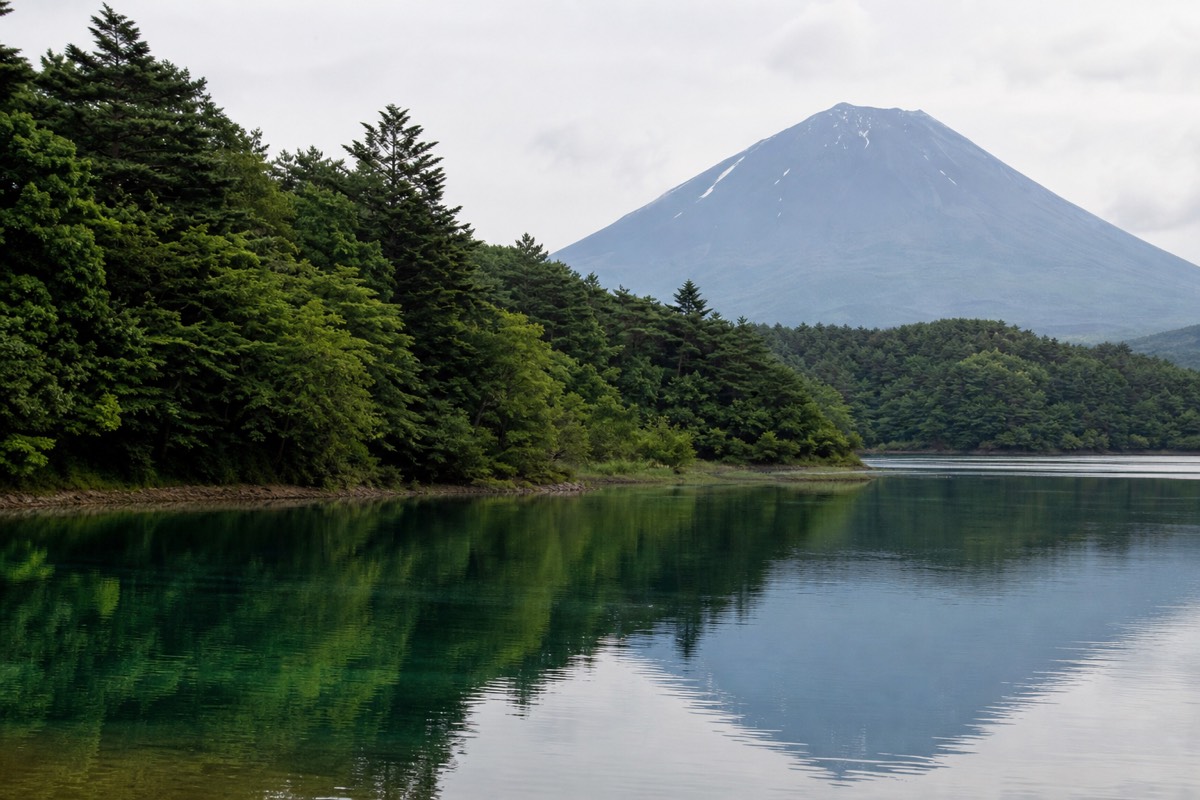
No established campsites exist inside Aokigahara Forest itself, and nothing about the forest suggests wild camping there is a normal or supported thing to do. What you can do is camp right at its edge: Lake Saiko, which borders the forest directly, has real, long-running campgrounds a short walk from the tree line.
Book the campsite first. Add a guided daytime walk only if you want the forest’s geology explained; arrange travel to the meeting point separately.
3.5 hours: Geology commentary followed by a quieter stretch beneath the canopy. English guide; meet at NaturaBase opposite Fuji Lake Hotel and return there. Bottled water included; lunch extra.
Walk The Lava Forest With A Guide · Choose by time and starting pointIs Camping Allowed Inside The Forest?
There's no official campground infrastructure inside Aokigahara, no marked sites, no facilities, nothing set up for overnight stays in the forest proper. Combined with the advice every official source gives about staying on marked trails, that points clearly toward camping inside the forest not being something the area is set up for or that most visitors do. We couldn't find a definitive published rule spelling out "camping is prohibited" for every part of the forest, so treat this as the honest limit of what's confirmable: there's no infrastructure and no evidence it's a normal practice, which is a good reason on its own to camp elsewhere and a good thing to double-check with local tourism information if you're set on the idea.
Where Can You Actually Camp Nearby?
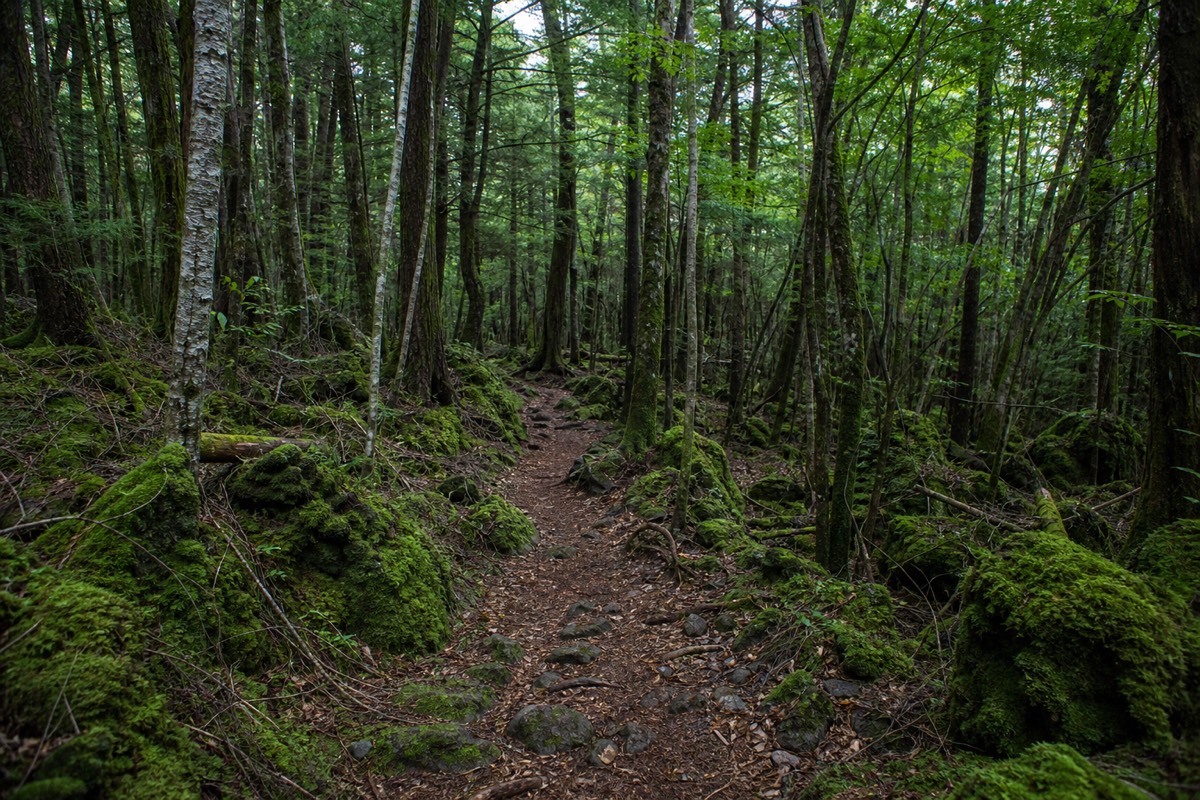
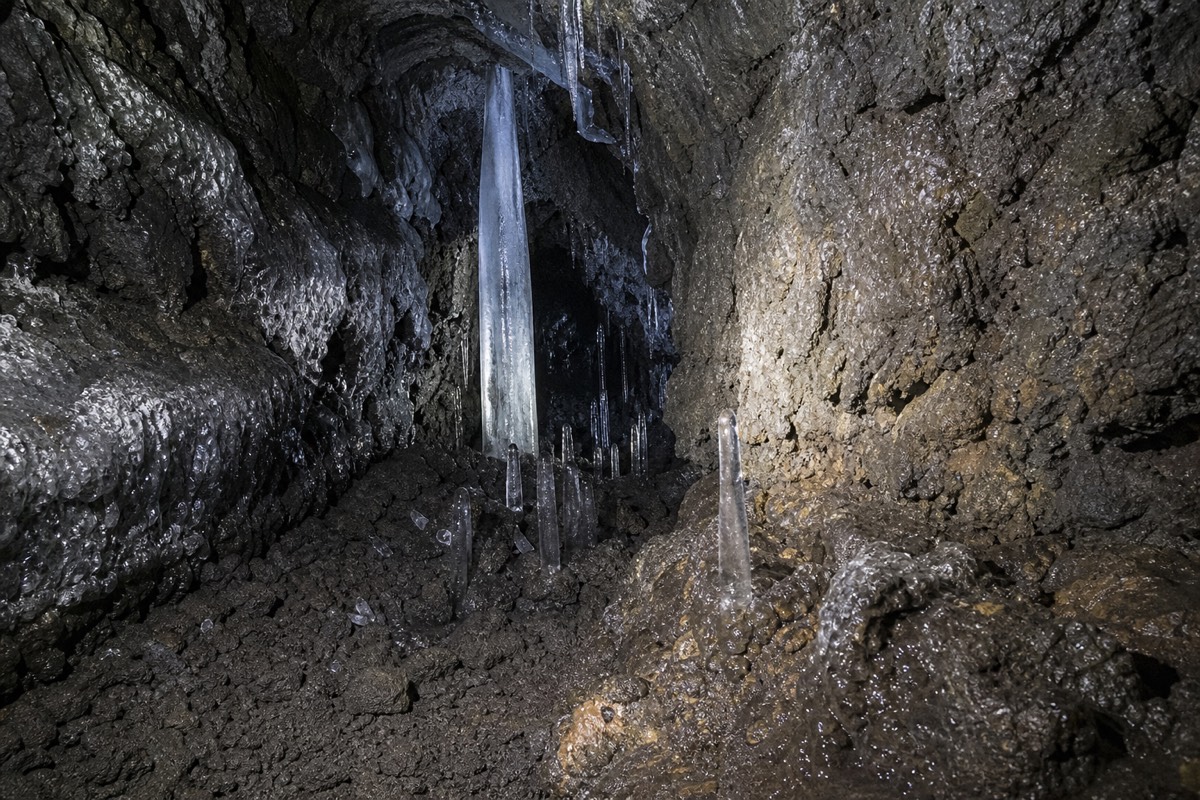
Lake Saiko, one of the Fuji Five Lakes bordering Aokigahara directly, has established campgrounds right on its shore. Tsuhara Campground sits on the lake's banks within easy reach of guided Aokigahara tours, the Narusawa Ice Cave, and the Bat Cave. Saiko Jiyu Campground is one of the oldest auto campgrounds in the area, also lakeside. Both put you at the forest's edge, with moss-covered trees and the same volcanic terrain, without pitching a tent inside the forest itself. Typical nightly rates run in the range of ¥1,000 to ¥2,000, and the area is generally quieter and cheaper than campgrounds around the more built-up Lake Kawaguchiko, which has its own, busier cluster of sites if you'd rather be closer to restaurants and services.
What Kind Of Camping Is On Offer?
Saiko's campgrounds mostly cater to two styles: standard tent camping and auto-camping, where you park a car or camper directly at or near your site. Facilities vary by ground, from basic (toilets, water, a fire pit area) to more developed sites aimed at families and larger groups. This isn't backcountry wilderness camping; it's established, bookable ground with other campers nearby, which suits most travelers better than an unmarked spot in the forest would anyway.
Is Wild Camping Common In Japan Generally?
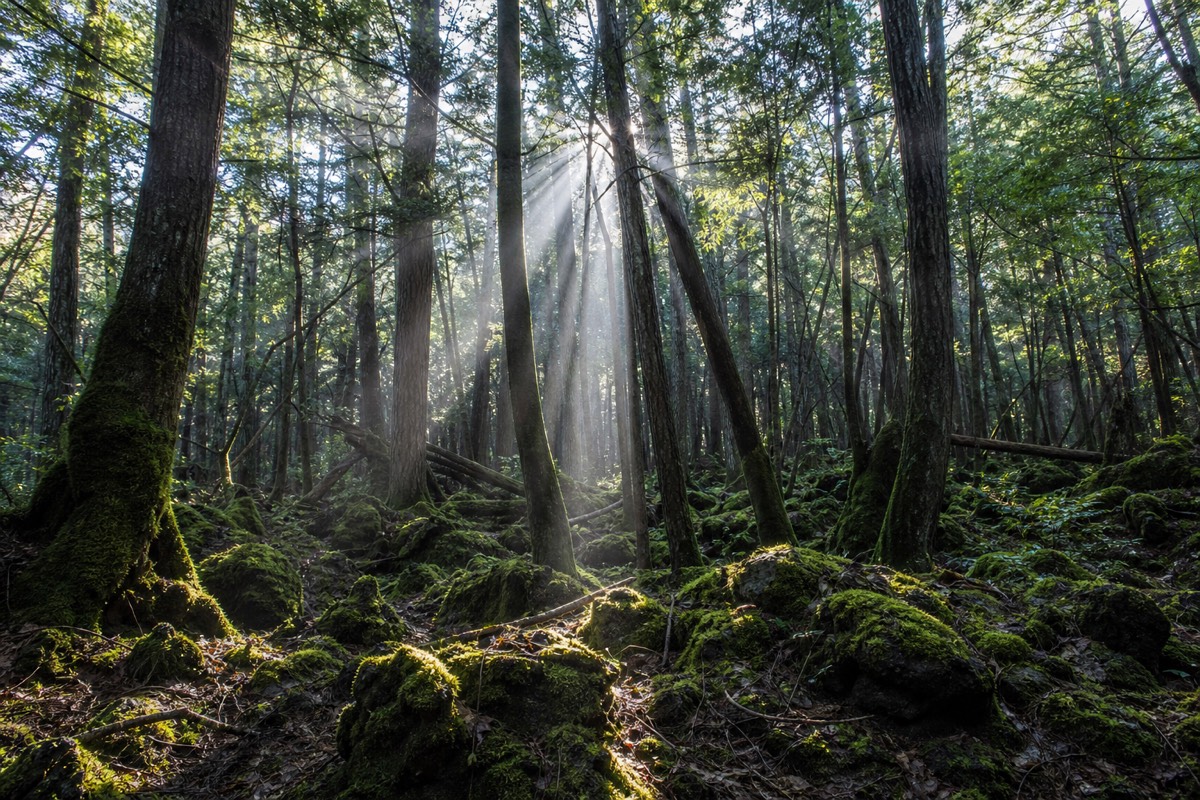
Not really, and that context matters here. Informal camping outside designated sites is generally discouraged across Japan's managed natural areas, and in many parks and forested regions it's actively restricted rather than simply frowned upon; established, bookable campgrounds are the standard and expected way to camp near a natural attraction, not the exception. That norm lines up with what's actually on the ground at Aokigahara: no informal camping culture inside the forest, and a proper, purpose-built campground option immediately next door on Lake Saiko instead. If you're weighing whether to try camping somewhere unofficial near the forest, the honest answer is that it goes against how camping generally works in this part of Japan, and a real campground a short walk away removes any reason to try.
What Should You Check Before Booking?
A few practical things, since campground rules and access change more often than most other travel details:
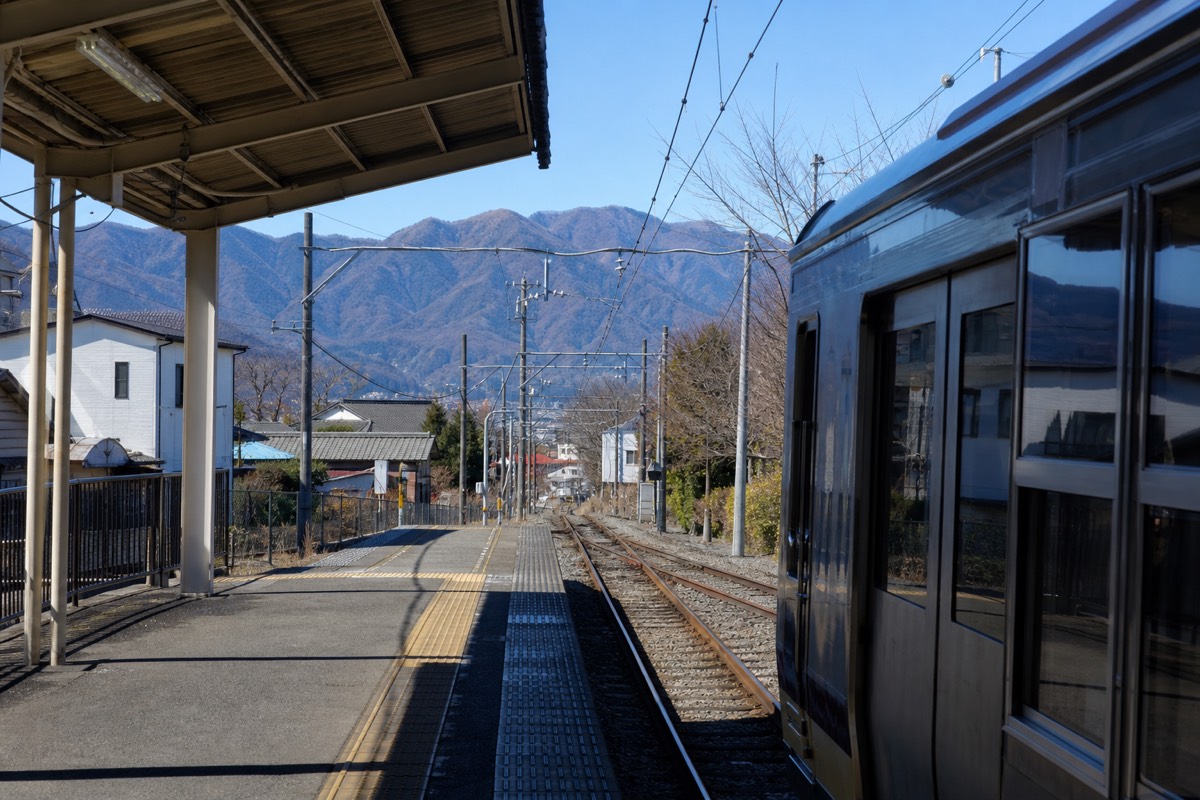
- Access without a car. The Saiko-area campgrounds are reachable by the Green Line bus from Kawaguchiko Station, but service is limited compared to a private vehicle, so check the current timetable before planning around it.
- Season. Not every site operates year-round; confirm the campground is open for the dates you want, especially outside the warmer months.
- What's included. Facilities vary between auto-campgrounds set up for RVs and simpler tent sites, so check what's actually provided (water, toilets, fire pits) rather than assuming.
- Booking method. Reserve directly with the campground where possible; availability during peak Fuji season fills up, especially around summer weekends.
From either Saiko campground, Aokigahara's marked trails, the ice cave, and the wind cave are all a short trip away, close enough to spend the day in the forest and come back to a lakeside site for the night.
Compare Your Whole-Party Costs
Use the same currency, dates, people and inclusions for both totals. Add transport, cave tickets, meals and any extras before comparing.
A difference may buy guiding, equipment or transport. It is not a saving unless both options cover what your party wants.