Is Mount Fuji Worth A Day Trip From Tokyo?
Yes, with one honest caveat: you might not actually see the mountain. Here is what that trade-off really looks like.
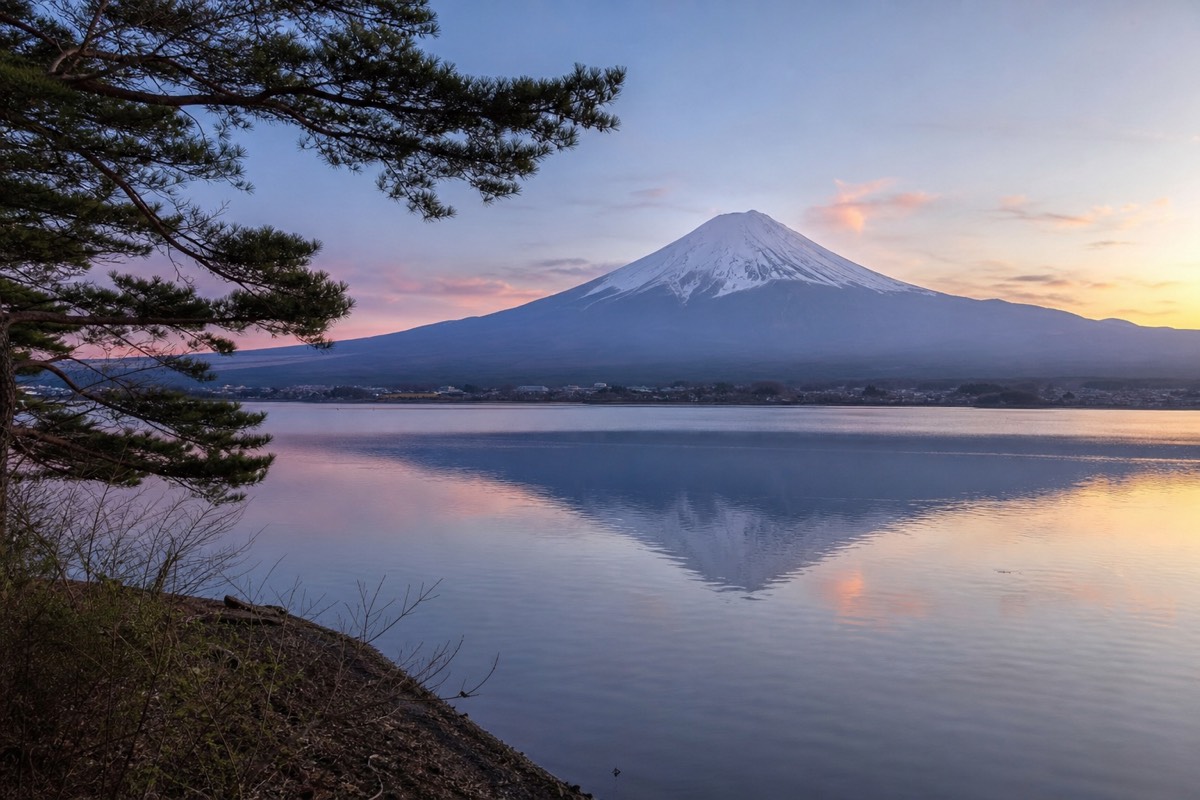
A day trip from Tokyo is worth it for most travelers who want a genuine taste of Mt. Fuji rather than a summit attempt, but plan around two real constraints: about two hours of travel each way, and a mountain that is only fully visible on roughly 80 to 100 days a year. Neither constraint rules out a day trip. Both should shape how you plan one.
Choose the private forest-and-caves itinerary if those stops interest you in their own right. No booking can guarantee a clear view of Fuji.
10 hours: A private vehicle links the forest, Narusawa, Fugaku and lakeside stops in one day. English-speaking driver; central Tokyo pickup and return. Entrance fees, food and drinks are extra. Confirm your address and itinerary before booking.
Plan The Forest And Caves From Tokyo · Choose by time and starting pointWhat A Day Trip Actually Looks Like
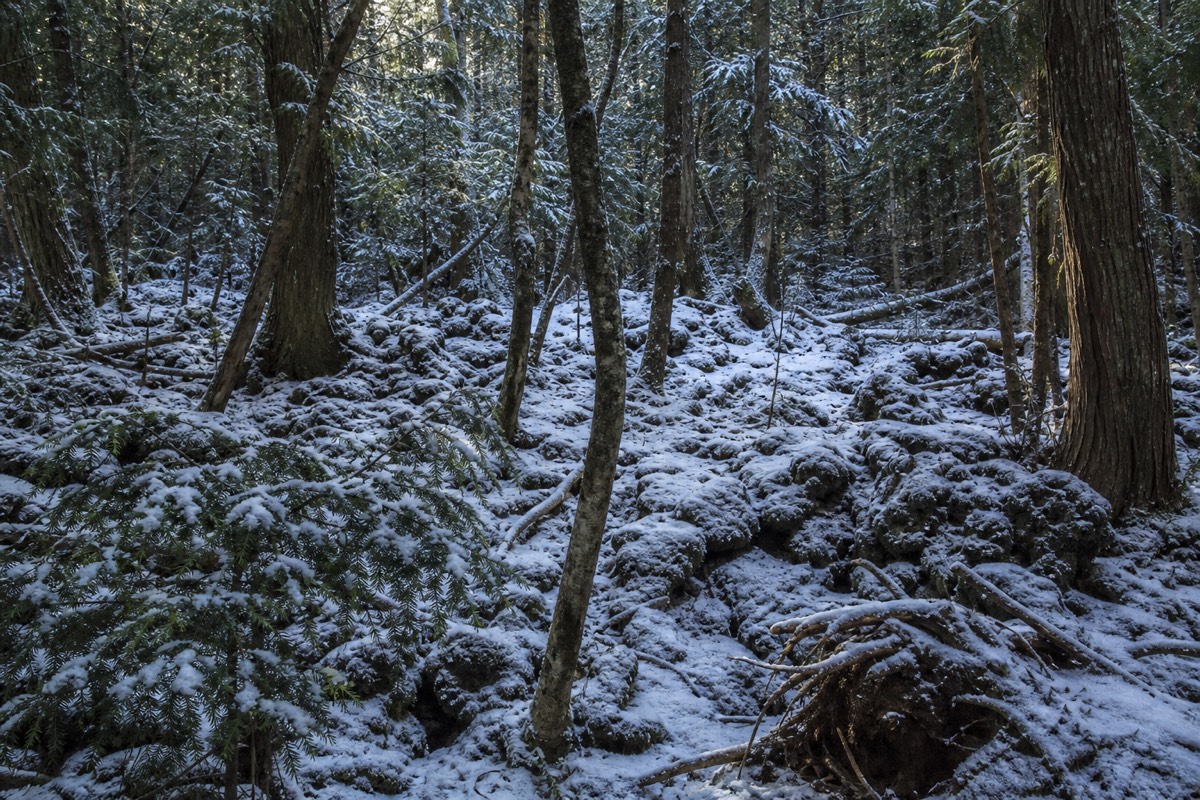
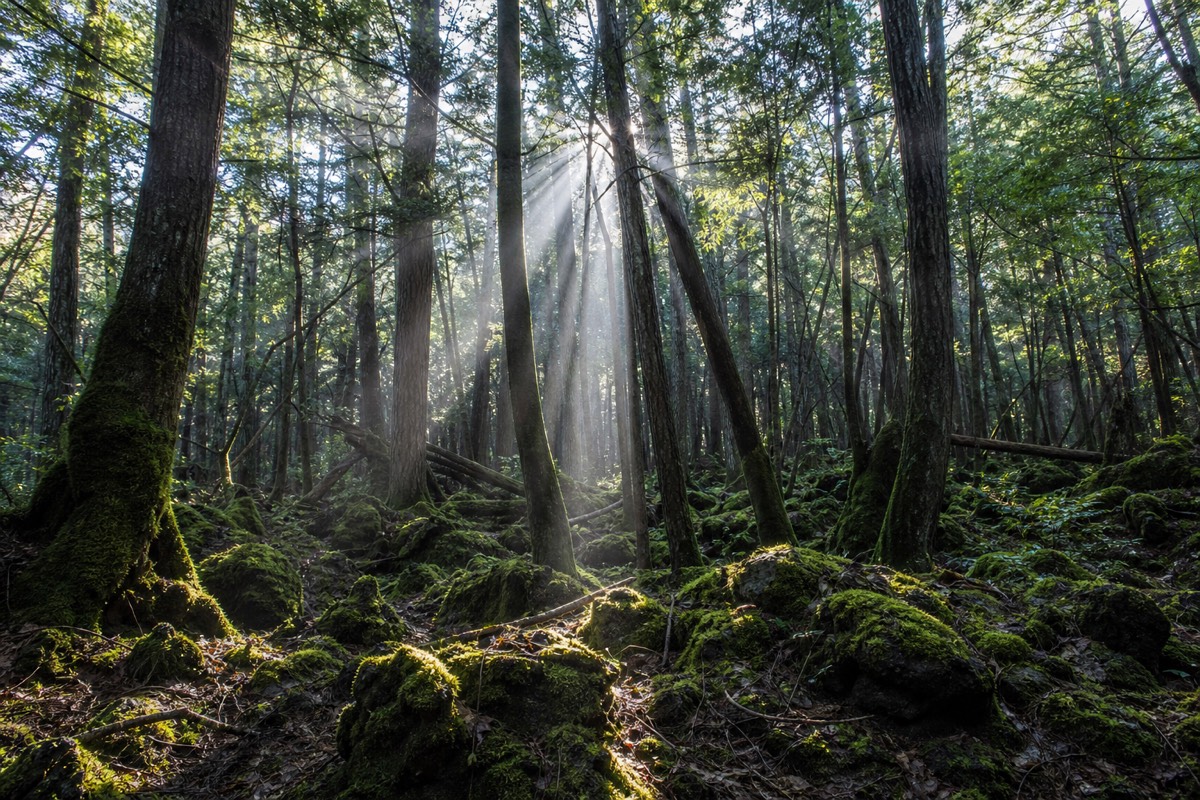
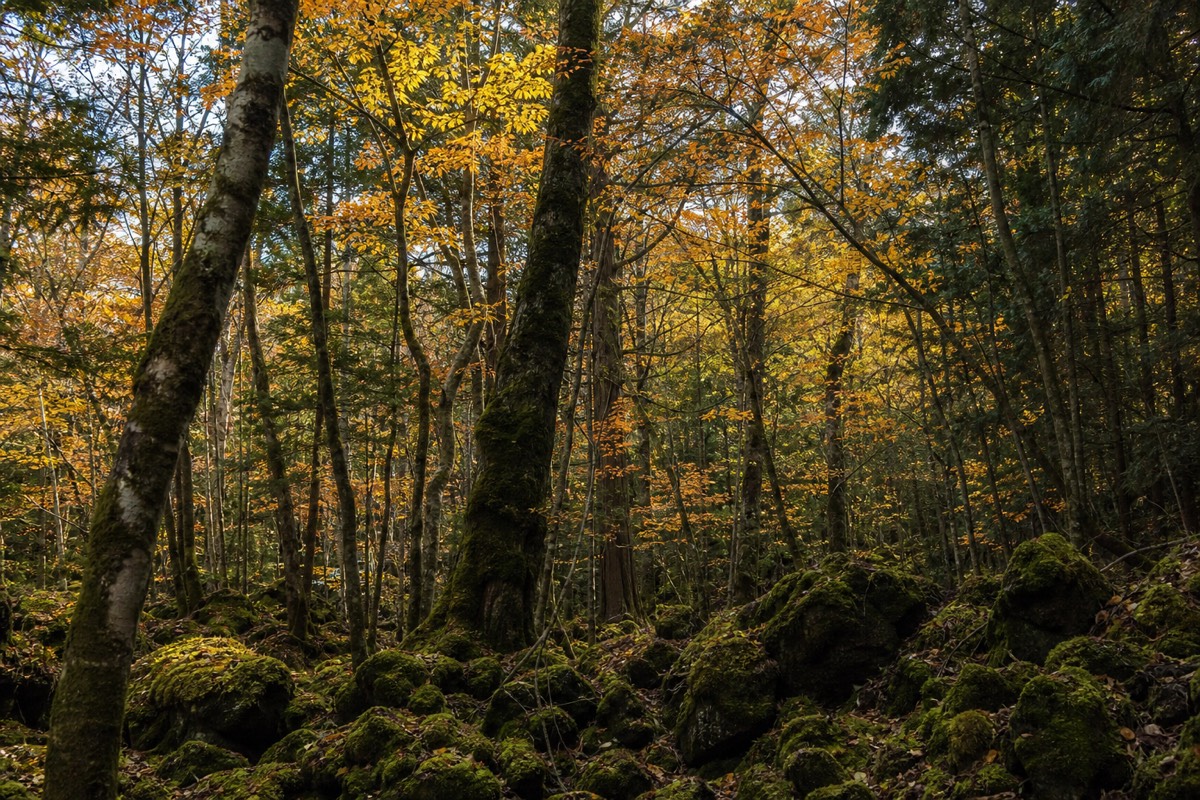
Tokyo to the Fuji Five Lakes area runs a little over two hours each way by train or private transfer, which leaves a workable but not endless window in between, typically a total day of 8 to 10 hours door to door once you count pickup and return. A well-built day trip fills that window with a lake stop, time in Aokigahara forest or its caves, maybe a viewpoint like Chureito Pagoda, and a meal, rather than attempting to also summit a mountain that takes most of a full day to climb even in season and is only open to climbers for a few months a year regardless. Private tours with pickup from Tokyo are built around exactly this shape: leave early, cover several stops with an English-speaking driver or guide, return by evening, with no train transfers to plan yourself.
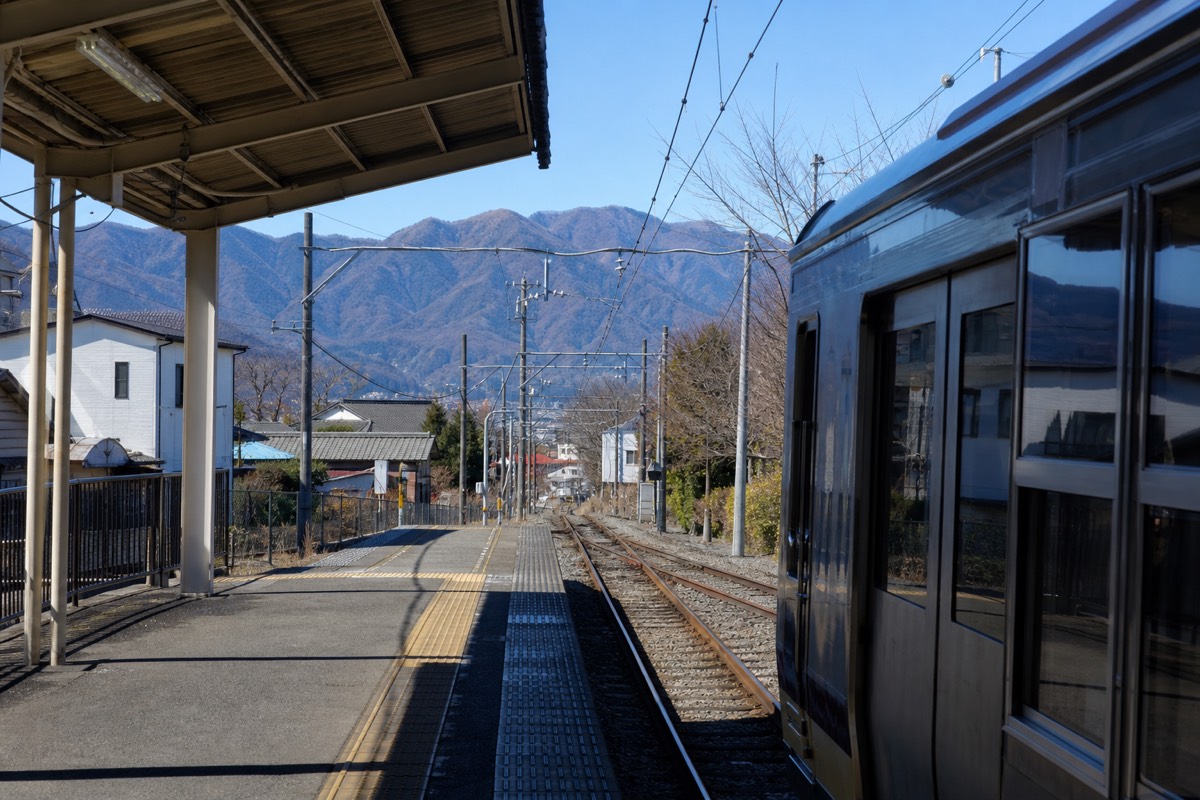
Compared with a self-planned train trip, a private tour trades some cost for a meaningful amount of convenience: no working out multiple train transfers, no figuring out which bus connects the station to the lake or the forest, and a driver who already knows which stops pair well together in the time available. For a single day trip, that convenience often matters more than it would on a longer, multi-day itinerary where you have time to sort out the logistics yourself.
The One Real Catch: Will You Actually See It?
Mt. Fuji is famously shy. From the Tokyo and Fuji Five Lakes area it is fully visible on roughly 80 to 100 days a year, and the odds swing hard by season: winter months, especially December and January, see the summit clearly visible more than 60 percent of the time, while June through August are the worst stretch, with the mountain fully hidden on well over half of all days and sometimes on nearly two out of three. Clouds and summer haze, not rain or cold, are the usual culprit, and mornings generally offer better odds than afternoons since haze tends to build through the day. No tour can promise a clear mountain on a given day, and an honest one will not pretend otherwise; what a good tour can do is build the day around things that are worth doing regardless of what the sky does.
This is worth internalizing before you book rather than after a disappointing afternoon: a summer day trip is still a real day out among lakes, forest and lava caves, it just should not be sold to yourself as a guaranteed Fuji photograph. Travelers who arrive with that framing rarely come away feeling shortchanged, even on a hazy day.
Who A Day Trip Is Right For
It suits travelers who want a genuine look at Fuji's lakes, forests, and caves without dedicating multiple days or attempting the climb, and who accept that a clear summit view is a real possibility, not a guarantee. It suits winter and early spring visitors more than midsummer ones, since the visibility odds alone roughly triple between the best months and the worst. It is a weaker fit for anyone whose whole trip hinges on one photograph of the peak; for that traveler, checking a live visibility forecast the morning of and staying flexible on timing matters more than which season they picked. Pair the trip with things worth doing whether or not the summit shows itself, the forest, the caves, the lakes, and a cloudy day becomes a disappointment rather than a wasted one.
A Quick Way To Think About Timing
If a clear view of the summit is the main goal, winter mornings are the strongest bet by a wide margin. If the forest, the caves, and the lakes themselves are the draw and Fuji in the background is a bonus rather than the point, any season works, and a day trip is worth booking regardless of the forecast.
Fuji Visibility By Season, Roughly
| Season | Chance of a clear or partial view |
|---|---|
| December to February | Best odds, often well over 60% fully visible |
| March to May | Moderate, more variable day to day |
| June to August | Weakest odds, hidden well over half of all days |
| September to November | Improving again toward winter |
These are general patterns rather than a guarantee for any single day, since local weather can still surprise you in either direction. A live visibility check the morning of your trip is more useful than the season alone if a clear view genuinely matters to your plans.
Compare Your Whole-Party Costs
Use the same currency, dates, people and inclusions for both totals. Add transport, cave tickets, meals and any extras before comparing.
A difference may buy guiding, equipment or transport. It is not a saving unless both options cover what your party wants.