Fuji Five Lakes Guide: Kawaguchiko, Saiko And Aokigahara
The Fuji Five Lakes are not five interchangeable photo stops. Each sits in a different relationship to Mount Fuji and to Aokigahara Forest, and which one you base yourself at genuinely changes how your trip unfolds. Here is what the five actually are, which ones touch the forest, and how to plan the two together.
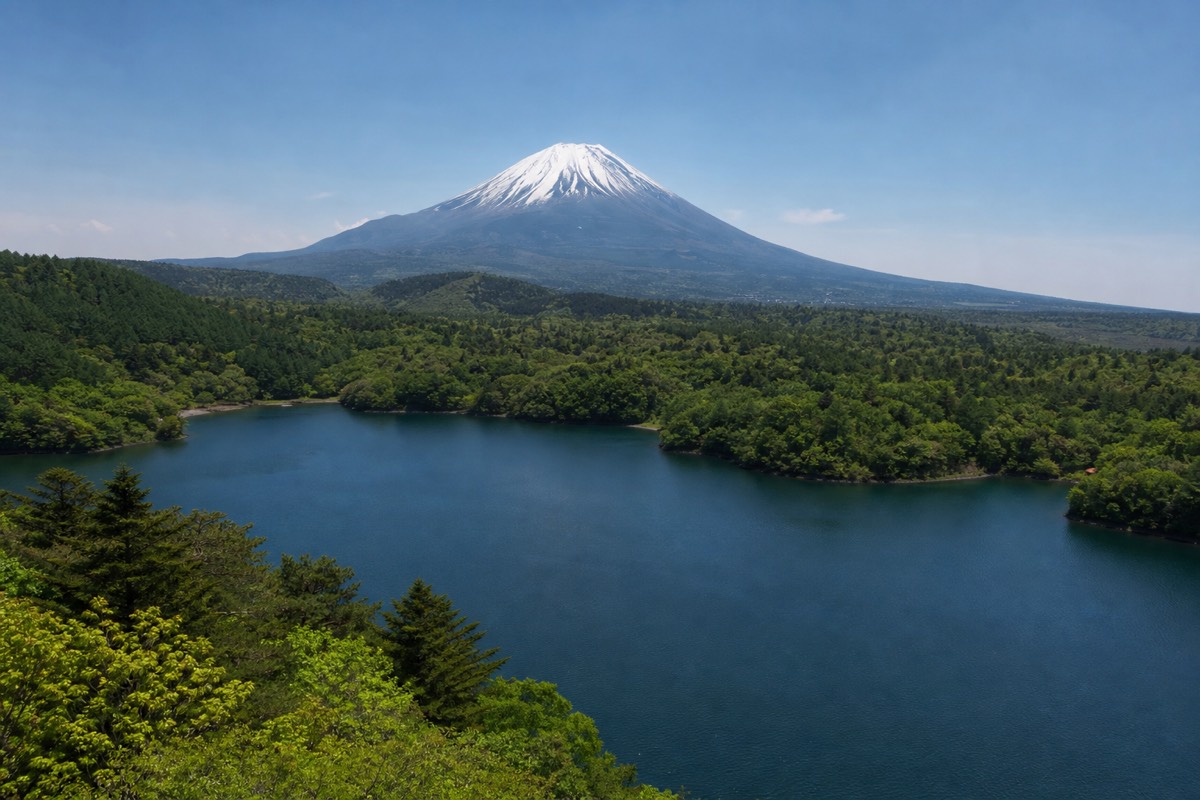
Fujigoko, the Fuji Five Lakes, ring the northern base of Mount Fuji in Yamanashi Prefecture: Lake Kawaguchi, Lake Yamanaka, Lake Saiko, Lake Shoji and Lake Motosu. All five formed from the same volcanic activity that shaped the mountain itself, and together they make up the main gateway region for anyone approaching Fuji from the Tokyo side rather than from Shizuoka to the south.
Use Tokyo transport for a full forest-and-lakes circuit, or choose a local activity if you are already staying around Kawaguchiko.
10 hours: A private vehicle links the forest, Narusawa, Fugaku and lakeside stops in one day. English-speaking driver; central Tokyo pickup and return. Entrance fees, food and drinks are extra. Confirm your address and itinerary before booking.
Plan The Forest And Caves From Tokyo · Choose by time and starting pointThe five lakes by size, and which ones border Aokigahara
Surface area figures are widely published geographic measurements (Wikipedia, citing Japanese geographic survey data). Three of the five lakes border Aokigahara Forest directly.
What Are The Fuji Five Lakes?
The Fuji Five Lakes are Kawaguchiko, Yamanakako, Saiko, Shojiko and Motosuko, a cluster of five lakes on the northern side of Mount Fuji in Yamanashi Prefecture, each formed by lava flows that dammed local rivers and streams over the mountain's volcanic history. Kawaguchiko is the most visited and best connected by train and bus; the other four require more of a detour but reward it with quieter shorelines.
Size varies more than most first-time visitors expect. Lake Yamanaka is the largest by surface area at 6.46 km², just ahead of Lake Kawaguchi at 6.13 km². Lake Motosu follows at 4.7 km², then Lake Saiko at 2.1 km², and Lake Shoji, the smallest of the five, at 0.5 km². Depth tells a different story: Motosu is by far the deepest of the group and, along with Shoji and Saiko, is believed to be connected underground, since their water levels tend to rise and fall together.
What Each Lake Is Actually Known For
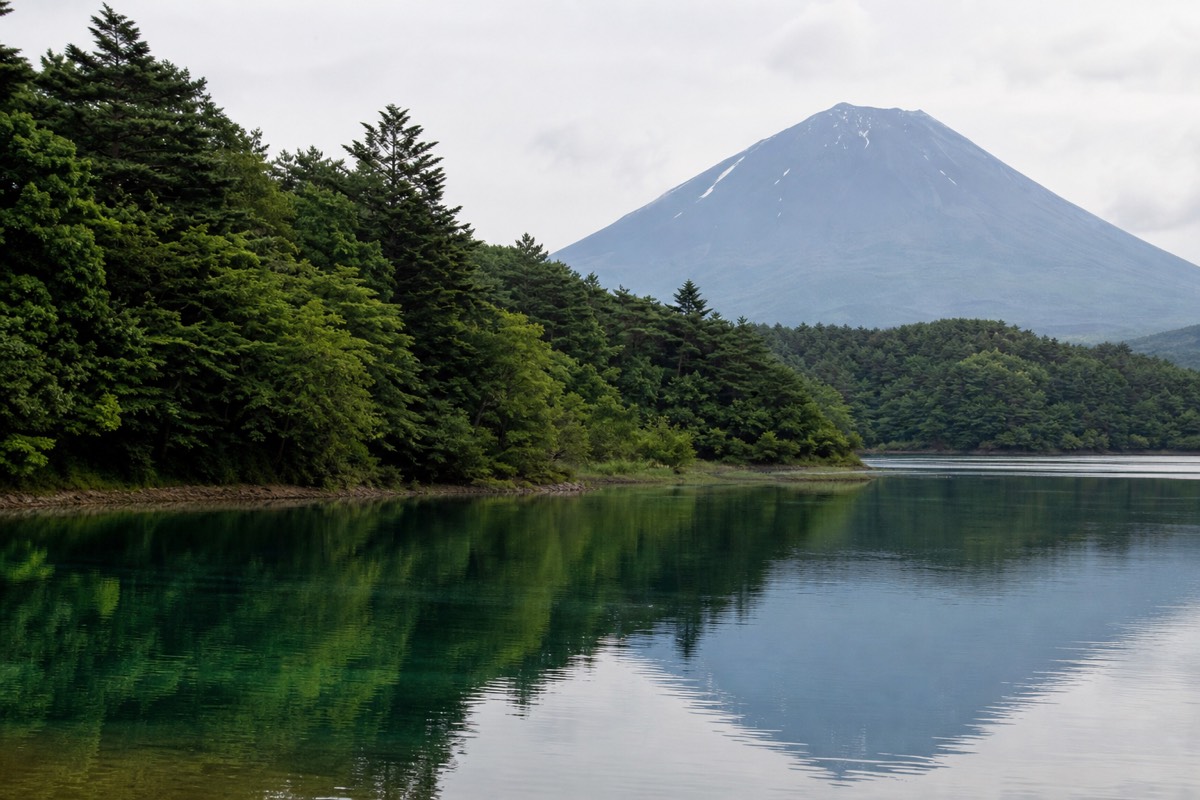
The five lakes are not interchangeable. Kawaguchiko is the developed, tourist-facing hub; Yamanakako is the largest, highest and most resort-like; Motosuko is the deepest, with the classic banknote view of Fuji; Saiko sits closest to Aokigahara and its caves; and Shojiko is the smallest and quietest, a further step off the beaten path than any of the others.
- Lake Kawaguchi: the most accessible and most developed of the five, with the widest choice of hotels, restaurants and viewpoints, and good Fuji views from most of its shoreline, especially the northern side.
- Lake Yamanaka: the largest by surface area at 6.46 km² and the highest in elevation of the five, at 982 meters. It's also the shallowest, around 15 meters deep, and has a livelier, more resort-like atmosphere than the others.
- Lake Motosu: the deepest of the five at roughly 121.6 meters, and the source of the classic Fuji view once printed on Japan's 1,000-yen and an earlier 5,000-yen banknote. Quieter and less developed than Kawaguchiko or Yamanakako.
- Lake Saiko: sits between Motosu and Shoji in size, and borders Aokigahara Forest directly. Home to the Lake Saiko Bat Cave and close to Narusawa Ice Cave and Fugaku Wind Cave.
- Lake Shoji: the smallest of the five at 0.5 km², sparsely developed with only a handful of hotels on its northern shore, and the quietest, most rural of the group.
Which Lake Actually Borders Aokigahara Forest?
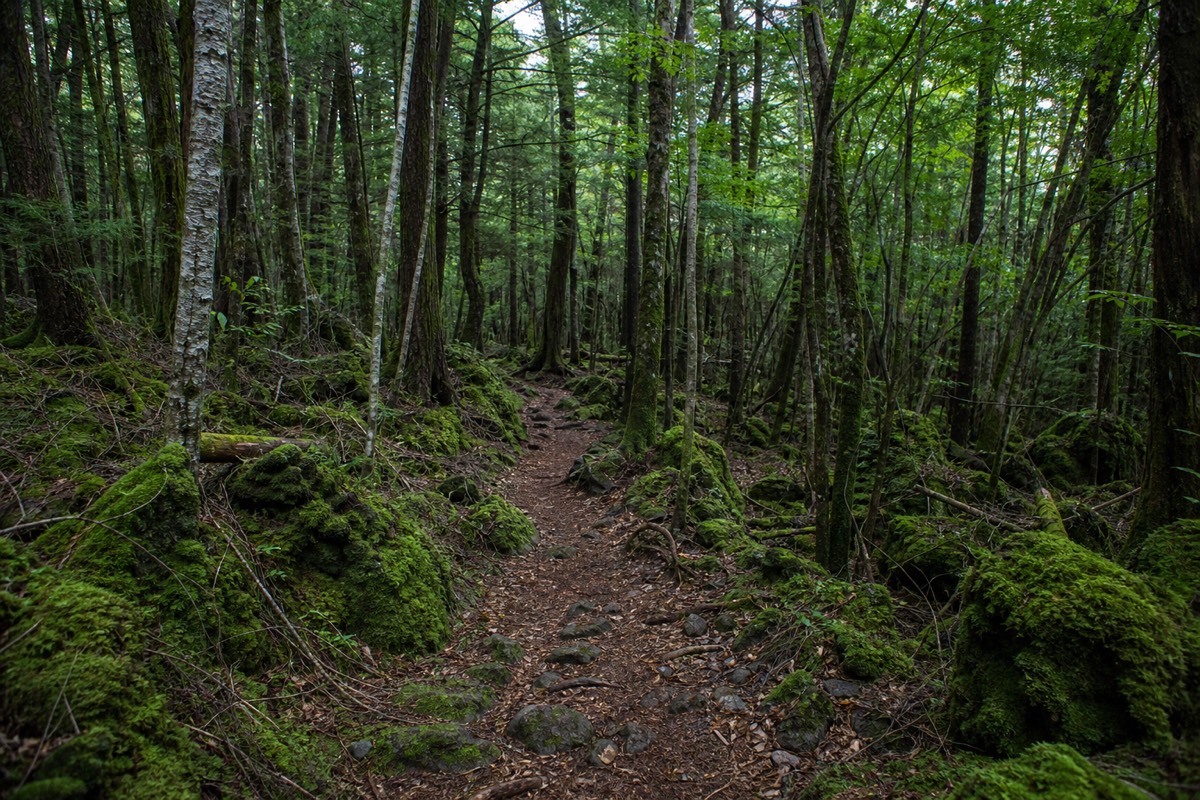
Three of the five lakes border Aokigahara Forest: Lake Saiko, Lake Shoji and Lake Motosu. Lake Saiko has the most direct relationship with the forest, since Aokigahara's tree line runs right along its northern and western shore, and the Lake Saiko Bat Cave sits inside the forest close to the lake. Kawaguchiko and Yamanakako, the two largest and most developed lakes, do not touch the forest at all.
This is not a minor detail if you are planning a trip around the forest specifically. Saiko's shoreline is the shortest realistic hop into Aokigahara on foot or by a short drive, and several of the caves and trailheads sit closer to Saiko than to Kawaguchiko. It is also, not coincidentally, the quietest of the three lakeside towns, since it never developed the same density of hotels, shops and attractions that built up around Kawaguchiko over the decades.
Which Lake Should You Base Yourself At For An Aokigahara Visit?
Kawaguchiko is the practical base for most visitors, since it has the transport links, hotel choice and restaurant options, and the forest is only around 30 minutes away by road; Saiko is the better choice if you want to be genuinely close to the forest and don't mind a smaller, quieter town with fewer amenities. Neither is wrong, and plenty of visitors do the forest as a day trip from Kawaguchiko without ever needing to switch bases.
| Lake Kawaguchi (Kawaguchiko) | Lake Saiko | |
|---|---|---|
| Distance to Aokigahara | ~30 min by road | Directly borders the forest |
| Transit links from Tokyo | Direct train (Fuji Excursion) and highway bus | Connect via Kawaguchiko, then a local bus |
| Accommodation and dining | Widest choice, most developed | Limited, quieter, more rural |
| Best for | First-time visitors, those without a car, multi-day stays | Travelers prioritizing the forest itself and a quiet lakeside |
A car changes this calculation. With one, the difference between basing at Kawaguchiko and Saiko shrinks to a 20 to 30 minute drive, which is short enough that most visitors simply pick Kawaguchiko for its facilities and drive over to Saiko and the forest when they want to.
Do You Need A Car To See The Fuji Five Lakes?
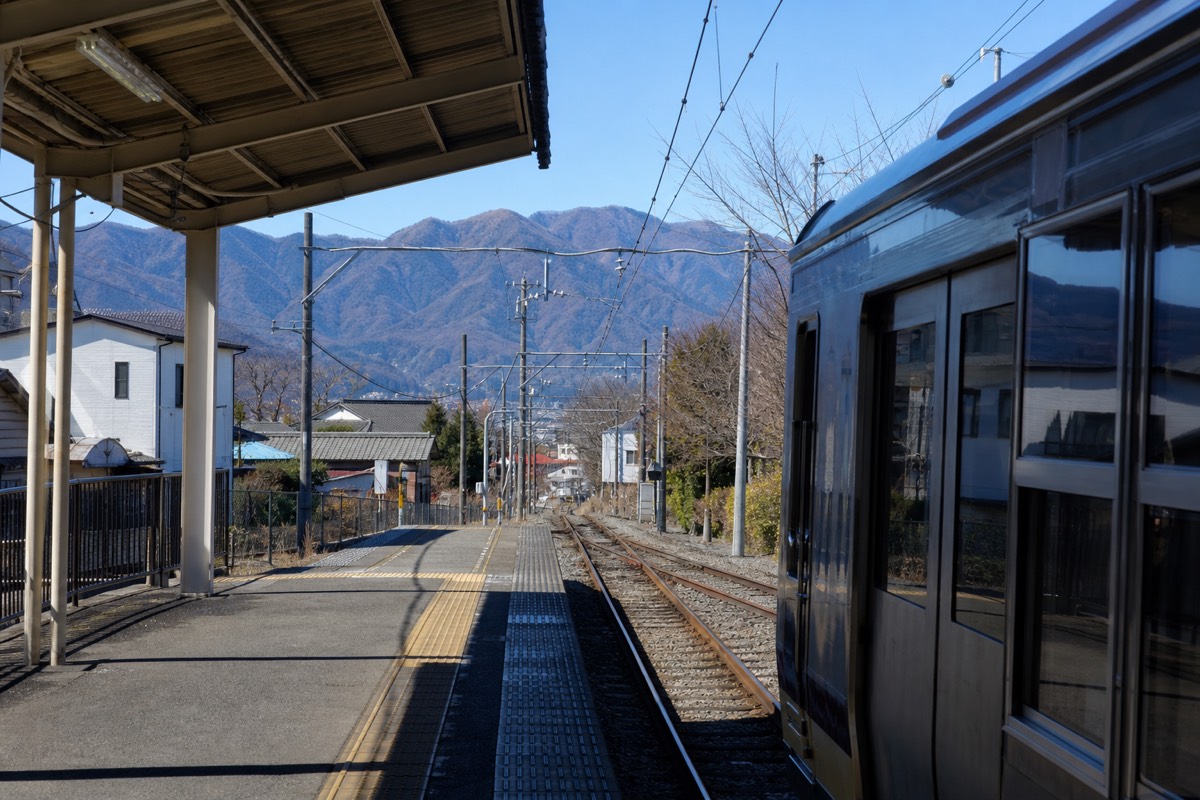
You don't strictly need one, but a car makes the lakes beyond Kawaguchiko and Yamanakako far easier to reach. Kawaguchiko itself is well served by train, retro sightseeing buses and taxis; Saiko, Shoji and Motosu have thinner bus service and reward having your own transport or a guided tour that handles it for you.
Kawaguchiko's local bus network, including the color-coded Retro Bus loops, covers the lake's main sights and the route out toward Narusawa Ice Cave comfortably. Saiko is reachable by the Saiko Sightseeing Bus (Green Line) from Kawaguchiko Station, though services run less frequently than the routes around Kawaguchiko itself, so checking the timetable in advance matters more the farther out you go. Motosu and Shoji, the two smallest and least developed lakes, see the least frequent public transport of the five, which is exactly why most travelers who want to see all of them in a single day either rent a car or book a guided tour rather than piece together local buses.
How The Forest And The Lakes Fit Into One Trip
Aokigahara and the Fuji Five Lakes are not two separate destinations that happen to be near each other, they are one region best explored together: the forest for its geology, caves and quiet trails, the lakes for the classic Fuji views and the towns to eat and stay in. Most travelers do not choose between them, they sequence them into the same day or the same short trip.
A common, workable pattern: base at Kawaguchiko, spend a morning in Aokigahara and one of its lava caves, then use the lake for lunch, a boat ride, or a cable car up Mount Kachi Kachi for a panoramic Fuji view in the afternoon. Travelers with more time sometimes add a stop at Lake Motosu, whose western shoreline view of Fuji is the one printed on the Japanese 1,000-yen banknote, or Oshino Hakkai, a set of spring-fed ponds between Kawaguchiko and Yamanakako. None of this requires changing hotels; it is a matter of picking which lakeside stops fit around the forest visit.
Getting To The Fuji Five Lakes From Tokyo
The most direct route is the Fuji Excursion limited express train from Shinjuku straight to Kawaguchiko Station, taking around 1 hour 53 minutes; the cheaper alternative is a Fujikyu highway bus from Shinjuku's bus terminal, running close to 2 hours for a lower fare. Both put you in Kawaguchiko, the natural hub for reaching the other four lakes.
From Kawaguchiko, local buses, a rental car, or a taxi cover the remaining distance to Saiko, Shoji, Motosu or Yamanaka, none of which are more than about 30 to 40 minutes away by road. Guided day tours from Tokyo typically handle this entire chain in one booking, private transport that goes straight from your Tokyo hotel to the lakes and the forest without the transfer at Kawaguchiko Station at all.
Quick Reference: All Five Lakes At A Glance
| Lake | Surface area | Borders Aokigahara? | Known for |
|---|---|---|---|
| Yamanaka | 6.46 km² | No | Largest, highest elevation, resort atmosphere |
| Kawaguchi | 6.13 km² | No | Most developed, best transit links |
| Motosu | 4.7 km² | Yes | Deepest, the banknote Fuji view |
| Saiko | 2.1 km² | Yes | Closest to the forest's caves, quieter shoreline |
| Shoji | 0.5 km² | Yes | Smallest, most rural and undeveloped |
Best Time Of Year To Visit The Fuji Five Lakes
April tends to offer the strongest combination of clear Fuji views and manageable crowds, since the region's dry spring air keeps visibility good while the heaviest cherry-blossom crowds concentrate on Tokyo's parks rather than the lakes themselves. Late autumn, particularly October, is a close second, with clearer air and autumn foliage around the lakeshores.
Summer brings warmer weather and easier long-daylight travel but also more haze and a higher chance of cloud hiding the summit, plus heavier weekend crowds at the more developed lakes. Winter, especially November through February, tends to give the clearest mountain views of the year thanks to cold, dry air, at the cost of genuinely cold conditions and shorter days to fit sightseeing into.
Compare Your Whole-Party Costs
Use the same currency, dates, people and inclusions for both totals. Add transport, cave tickets, meals and any extras before comparing.
A difference may buy guiding, equipment or transport. It is not a saving unless both options cover what your party wants.