The Three Lava Caves Of Aokigahara, Compared
Three lava-tube caves sit within a short drive of each other at Mt. Fuji's northern foot, all carved by the same 864 CE eruption, and they are not interchangeable. One stays naturally frozen through August. One is the roomiest and mildest. One is more than double the length of the other two combined and closes for part of the winter to protect its bats. Here is what actually separates them, and which one earns a spot on a tight itinerary.
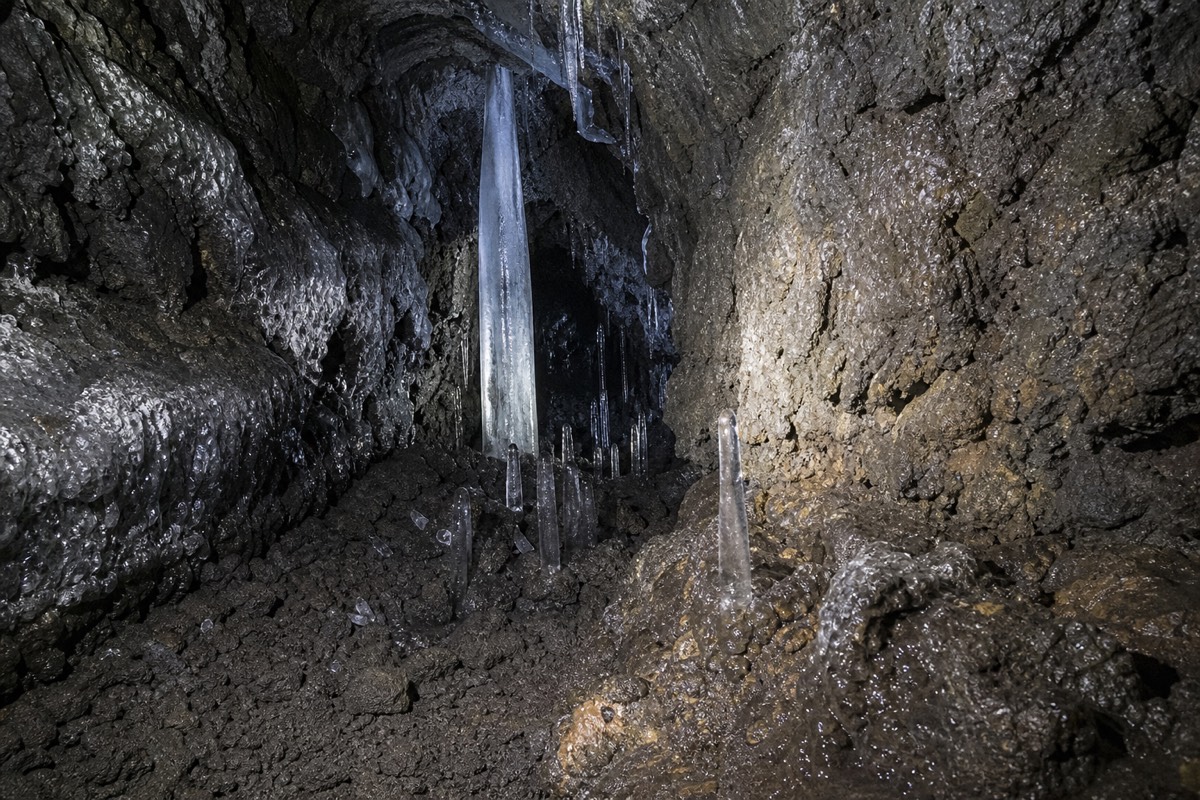
Google's own knowledge graph names exactly three tourist lava-tube caves at the northern foot of Mt. Fuji: Narusawa Ice Cave, Fugaku Wind Cave, and Lake Sai (Saiko) Bat Cave. All three are real lava tubes, hollow channels left behind when the outer skin of a lava flow cooled and hardened while the molten rock inside kept draining downhill. All three trace back to Mt. Fuji's Jōgan-era eruption of 864 CE. Beyond that shared origin, they are three different experiences, and knowing the differences before you book saves you from either missing the best one or wasting a morning on all three when one would have done.
Choose Narusawa and Fugaku on the Tokyo route, or arrange your own public-cave visits. The equipped excursion is a separate cave activity, not an all-three-caves ticket.
10 hours: A private vehicle links the forest, Narusawa, Fugaku and lakeside stops in one day. English-speaking driver; central Tokyo pickup and return. Entrance fees, food and drinks are extra. Confirm your address and itinerary before booking.
Plan The Forest And Caves From Tokyo · Choose by time and starting pointThe three caves by length
Lengths are the official measured visitor routes (Narusawa Ice Cave, Fugaku Wind Cave) and published cave-survey figures (Lake Sai Bat Cave), compiled from Yamanashi prefectural tourism sources and Wikipedia.
How Many Lava Caves Are There, And Which Is Which?
Three: Narusawa Ice Cave, Fugaku Wind Cave, and Lake Sai (Saiko) Bat Cave, all lava tubes from the same 864 CE Mt. Fuji eruption, clustered within a short drive of Lake Sai and Kawaguchiko Station. Narusawa Ice Cave sits in Narusawa Village, formed by an eruption of nearby Mt. Nagao and reachable by about a 30-minute bus ride from Kawaguchiko Station. Fugaku Wind Cave and the Bat Cave sit closer to Aokigahara's own footprint near Lake Sai. None of the three require a special permit for their tourist-accessible sections; all three charge a small entrance fee, typically bundled into a guided tour's price.
Narusawa Ice Cave: What Makes It Different
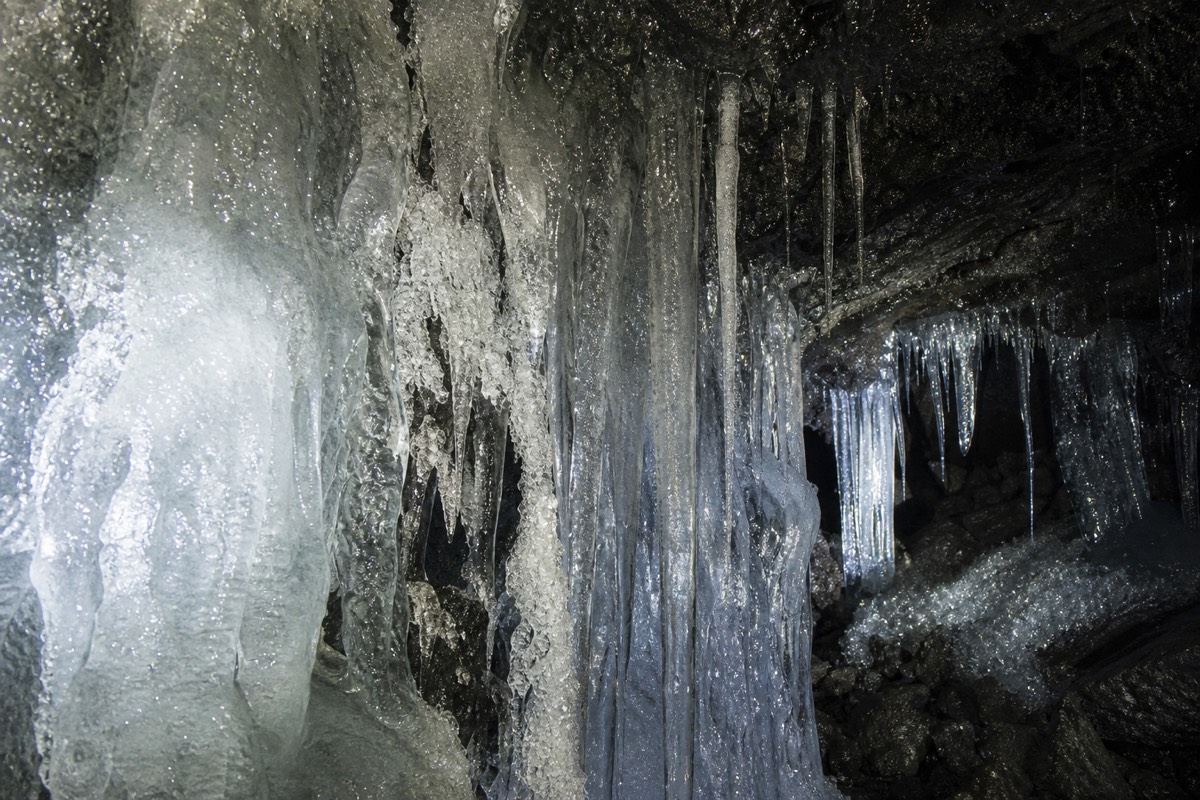
Narusawa Ice Cave is the coldest and the only one that stays naturally frozen year-round, a 156-meter visitor route through two connected lobes where ice formations persist through the height of summer. The cave's width runs 1.5 to 11 meters and its ceiling height 1 to 3.6 meters, tight enough in places that you duck. The lava tube's shape traps cold air at the bottom, so even when Kawaguchiko is sweating through August, the cave holds close to freezing. The equipped cave excursion listed on this site is a separate product, not a Narusawa show-cave admission ticket. Confirm the precise cave and route with the operator. Inside, the visitor route is lit and railed, but the ice itself is real and untreated: columns and floor-ice build up from groundwater freezing in the trapped cold air, which is also why the footing can be genuinely slick and why the tour treats sturdy shoes as non-negotiable rather than a suggestion.
Fugaku Wind Cave: What Makes It Different
Fugaku Wind Cave is the roomiest of the three, a 201-meter tube averaging 8.7 meters in height with a steady interior temperature around 3°C, cool rather than freezing, and named for the currents of air that move through it. Where Narusawa's ice is the headline, Fugaku's headline is scale: taller ceilings, wider passages, and a milder, more walkable chill that doesn't demand a heavy jacket the way the ice cave does. The moving air that gives the cave its name comes from the tube connecting to multiple openings, which lets outside air draw through rather than pool and stagnate the way it can in a single-entrance tube. It isn't sold here as a standalone day tour; on this site it appears as one stop on the multi-cave "haunted hospital" itinerary, which strings Fugaku together with the other two caves and a fourth stop, Dragon Cave, in a single day.
Lake Sai (Saiko) Bat Cave: What Makes It Different
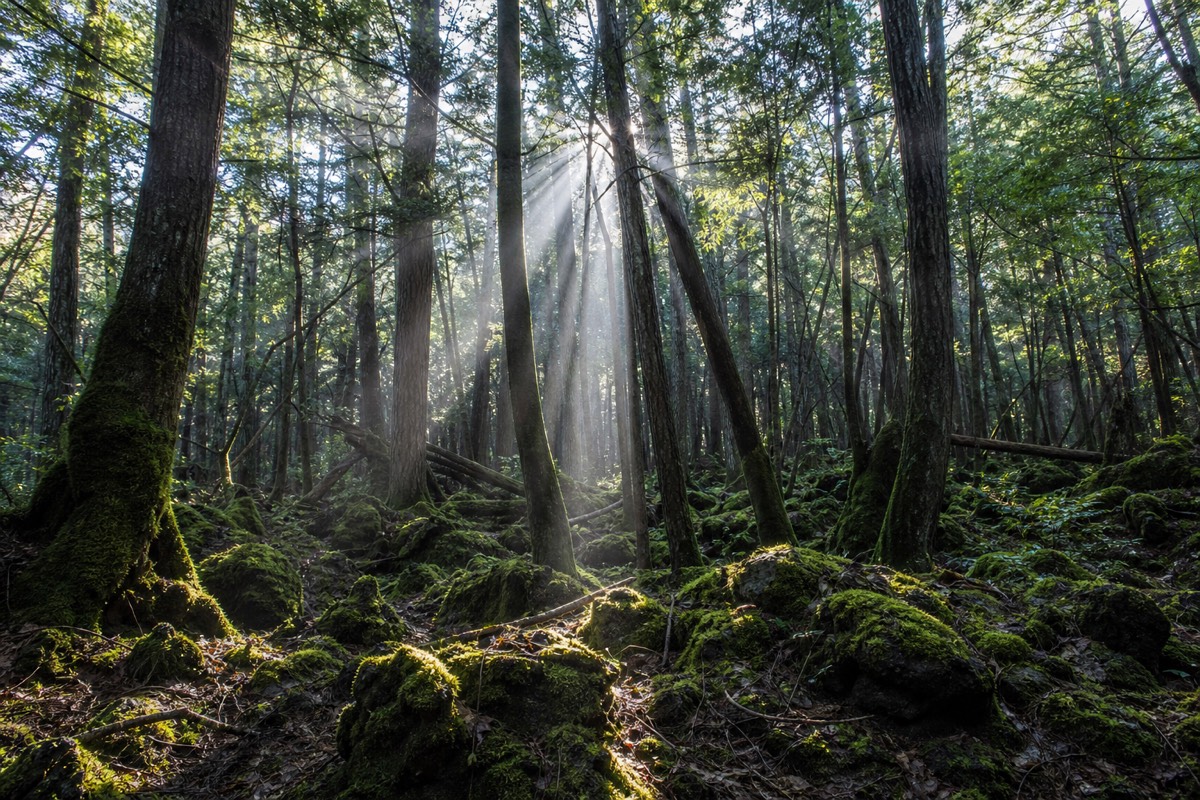
The Bat Cave is the longest of the three at 386.5 meters, more than double Narusawa's length, and it is a genuine bat habitat: a helmet is required for the low ceilings and occasional crawling, and the cave closes to the public every year from December 1 to March 19 to protect the roosting bat colony. The colony itself lives in a protected back section that visitors cannot enter, so seeing a bat is possible but not guaranteed; the cave's name and reputation come from the fact that they are there, not from a staged encounter. Because it involves more physical caving (helmet on, some stooping and crawling depending on the route), it is grouped with Fugaku and Narusawa on the operator's multi-cave tour rather than sold on its own. Its extra length also means a slower, more exploratory pace than the other two: where Narusawa and Fugaku are largely one continuous walk-through, the Bat Cave's branching sections give it a more three-dimensional, "real cave" feel.
How Are All Three Caves Connected Geologically?
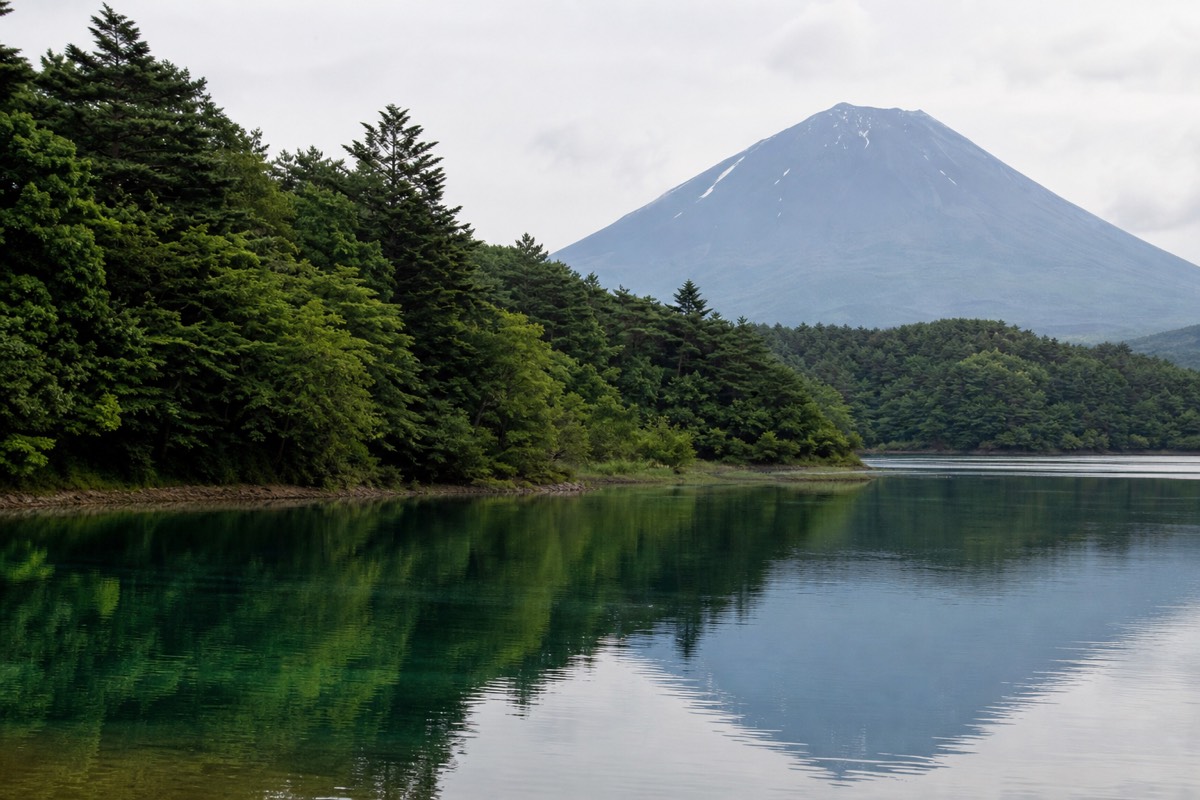
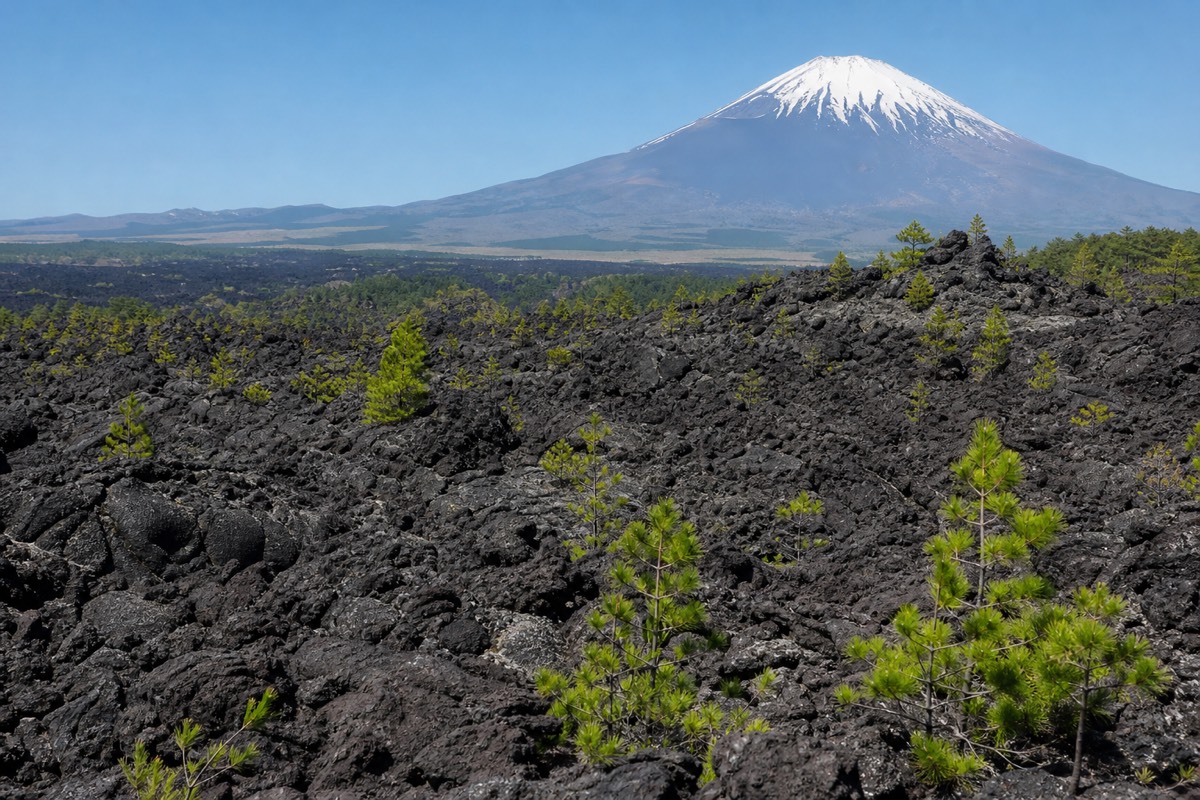
All three trace back to the same broader volcanic event, Mt. Fuji's 864 CE eruption from the Nagaoyama vent on the mountain's northwest flank, but each formed as a separate lava tube because lava behaves differently depending on the terrain, thickness and speed of the individual flow it followed. A single eruption doesn't produce one lava tube; it can send multiple channels down different paths, each cooling and hollowing out on its own timeline depending on how fast it moved and how thick the flow was at that point. That's why Narusawa, Fugaku and the Bat Cave differ in length, height and even temperature despite sharing a common origin: they're siblings from the same eruption, not copies of each other. It's also why this stretch of Mt. Fuji's base has more than just these three caves in total; these are simply the three developed for tourist access.
What About The Claim That Compasses Don't Work Near The Caves?
Yamanashi's own tourism guidance does not support the popular claim that compasses fail or spin uselessly in this area; ordinary compass use above the lava surface behaves normally. The myth likely persists because the ground really is unusual (porous volcanic rock, dense tree cover, few visual landmarks), which makes disorientation genuinely possible without any need for magnetic interference to explain it. If you're finding your own way between any of the three caves, a phone map or a paper trail map is the more reliable tool anyway, simply because the marked routes between cave entrances are short and well-signed enough that you shouldn't need a compass in the first place.
Best Time Of Day To Visit The Caves
Early morning, close to opening, is the best window at all three caves, since tour buses and independent day-trippers from Kawaguchiko and Fujiyoshida tend to arrive from mid-morning onward and the parking areas and cave entrances are smallest of the day's crowd right when they open. Because the caves are dim, narrow in places and shared with other visitors' headlamps, a quieter entry window matters more here than it would at an open-air attraction: fewer people means less queuing at the tightest sections and more room to actually look at the ice or the rock formations rather than shuffle past them. Late afternoon, after the day-tripper buses clear out, is a workable second choice.
Aokigahara's Three Lava Caves, Side By Side
| Cave | Length | Typical temperature | What stands out | Covered on which tour here |
|---|---|---|---|---|
| Narusawa Ice Cave | 156 m | Around 0°C, sub-zero | Natural ice formations, present through summer | Public ticket, or the Tokyo private itinerary; entry extra |
| Fugaku Wind Cave | 201 m | Around 3°C | Roomiest of the three, tallest ceilings | Tokyo private itinerary; entry extra |
| Lake Sai (Saiko) Bat Cave | 386.5 m | Cool and humid, milder than the ice cave | Largest of the three; roosting bat colony; helmet required | Tokyo private itinerary; entry extra; closed Dec 1–Mar 19 |
Which Cave Should You Visit If You Only Have Time For One?
For most first-time visitors, Narusawa Ice Cave: it's the only one of the three built into a dedicated, focused day tour on this site, it delivers the single most photogenic feature (the ice itself, present even in August), and it's the easiest to reach independently if you'd rather go without a guide. If your interest is scale rather than ice, the Bat Cave's 386.5 meters make it the more dramatic single passage. If you'd rather skip the cold entirely and still see a lava tube, Fugaku's milder 3°C and taller ceilings make it the most comfortable of the three to walk through.
Quick pick: Want the ice? Narusawa. Want the biggest cave? The Bat Cave. Want the most comfortable temperature? Fugaku. Want to stop weighing it and just see all three properly explained in one day? That's exactly what the multi-cave tour is built for.
Can You Visit All Three Caves In A Day?
Yes. All three sit within roughly a 15-to-20 minute drive of each other near Lake Sai and Kawaguchiko, and this site's multi-cave "haunted hospital" tour already bundles Narusawa, Fugaku and the Bat Cave (plus a fourth stop, Dragon Cave) into a single guided day. Doing it independently is possible too, since the caves are close together and none requires advance booking for entry the way some attractions do, but check the Bat Cave's winter closure dates (December 1 through March 19) before planning a trip around it, and budget real time: even a brisk visit to three separate cave sites plus driving between them fills most of a day once you add parking, entrance queues and the walk to each entrance.
Do You Need A Guide To Visit The Caves?
No. The tourist-accessible sections of all three caves are open to independent visitors year-round (aside from the Bat Cave's winter closure), with signage, parking, and small entrance fees typically in the ¥300 to ¥500 range per cave. A guide's real value here isn't access, it's efficiency and context: someone who already knows the driving route between three sites, handles the entrance logistics, and can explain what you're looking at (why the ice persists in Narusawa, why Fugaku stays a steady 3°C, what the Bat Cave's colony actually is) rather than you reading a placard in a headlamp beam. Independent travel works fine if you're only doing one cave and don't mind finding your own way; a guided day makes more sense once you're trying to cover two or three.
Practical Details Before You Go
| Cave | Getting there | What to bring |
|---|---|---|
| Narusawa Ice Cave | ~30 min by bus from Kawaguchiko Station | Warm jacket, closed-toe shoes with grip, a headlamp helps |
| Fugaku Wind Cave | Near Lake Sai, short drive from Kawaguchiko | Light jacket, sturdy shoes |
| Lake Sai (Saiko) Bat Cave | Near Lake Sai, short drive from Kawaguchiko | Closed-toe shoes (some crawling possible), helmet provided on-site |
Cash in small yen notes covers entrance fees and parking at all three if you're going independently; guided tours typically fold entry into the tour price. Whichever cave or combination you choose, the caves stay cold enough year-round that "just a t-shirt" is the wrong call even in a Tokyo heatwave.
Compare Your Whole-Party Costs
Use the same currency, dates, people and inclusions for both totals. Add transport, cave tickets, meals and any extras before comparing.
A difference may buy guiding, equipment or transport. It is not a saving unless both options cover what your party wants.