Fugaku Wind Cave: Complete Visitor Guide
Fugaku Wind Cave is the largest of the lava tubes running under Aokigahara Forest, a 201-metre passage that stays cool and airy rather than icy, and one that spent centuries doing actual work before it became a tourist stop. It sits two minutes from the more famous Narusawa Ice Cave, and most visitors end up seeing both on the same trip.
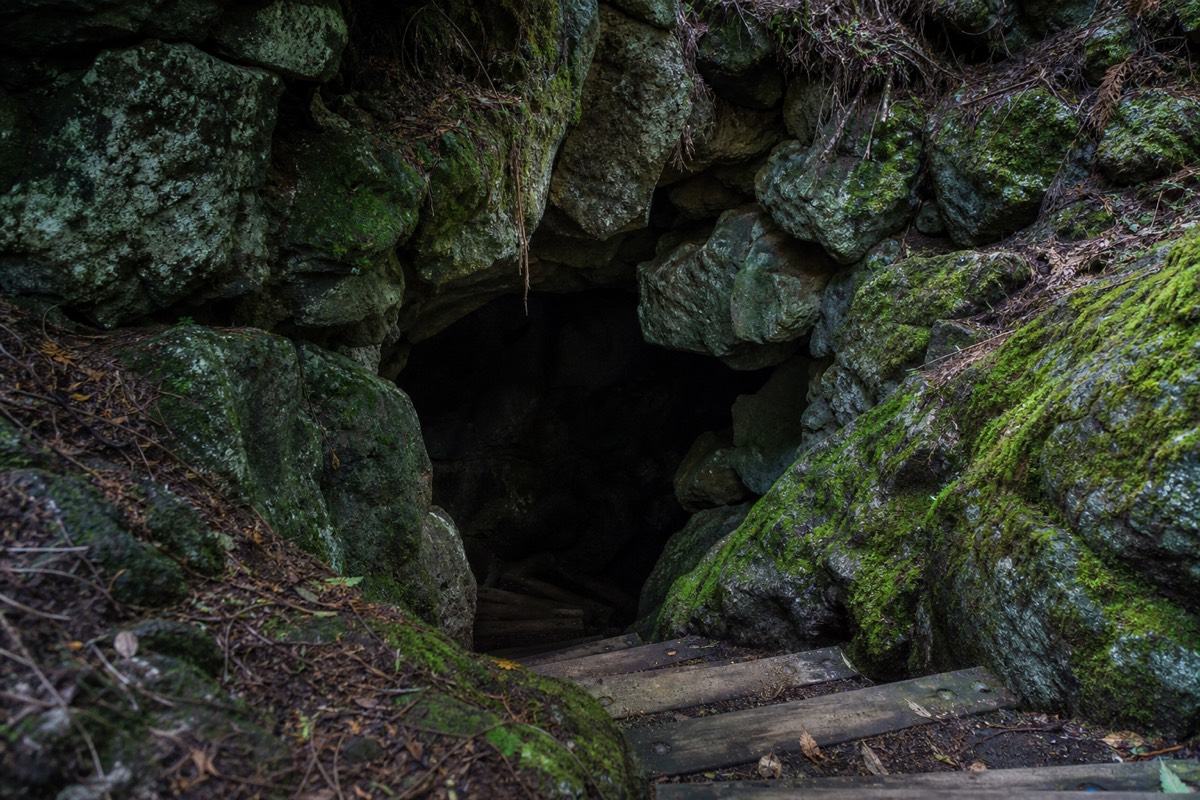
Fugaku Wind Cave gets less attention than its icy neighbour, which is a little unfair given it is both the bigger cave and the one with the more interesting backstory. Here is what it actually is.
A public ticket keeps Fugaku a simple independent stop. The private Tokyo itinerary includes a planned Fugaku stop, with admission charged separately.
10 hours: A private vehicle links the forest, Narusawa, Fugaku and lakeside stops in one day. English-speaking driver; central Tokyo pickup and return. Entrance fees, food and drinks are extra. Confirm your address and itinerary before booking.
Plan The Forest And Caves From Tokyo · Choose by time and starting pointFugaku Wind Cave vs Narusawa Ice Cave
Length and temperature figures from Wikipedia and the Yamanashi official travel guide; fees from current published pricing at both caves. Confirm current hours and prices before you go.
What Is Fugaku Wind Cave?
Fugaku Wind Cave is a 201-metre lava tube at the northern foot of Mt. Fuji, about 8.7 metres at its tallest point, and the largest of the several lava tubes found in Aokigahara Forest. It formed from the same 864 CE eruption that created the surrounding lava field and forest, and it runs a near-constant average temperature of around 3°C inside, cold enough to feel dramatic against a warm day outside but well short of the freezing conditions that keep Narusawa Ice Cave's formations intact. Its porous basalt walls absorb sound rather than reflecting it, so unlike a limestone cave, Fugaku produces essentially no echo.
How Is A Wind Cave Different From An Ice Cave?
Both Fugaku Wind Cave and Narusawa Ice Cave are lava tubes from the same eruption, but Fugaku stays cool and airy year-round rather than freezing, so it has no permanent ice formations, just cold, still air and bare basalt. The name "wind cave" refers to that airflow and the sense of moving air inside the tube, rather than to any dramatic wind you would feel walking through. Narusawa, by contrast, is shaped in a way that traps cold air at its lowest points and keeps it there, which is the specific geometry that lets ice actually form and persist. Fugaku's shape does not trap air the same way, so it stays a steady, damp cool instead.
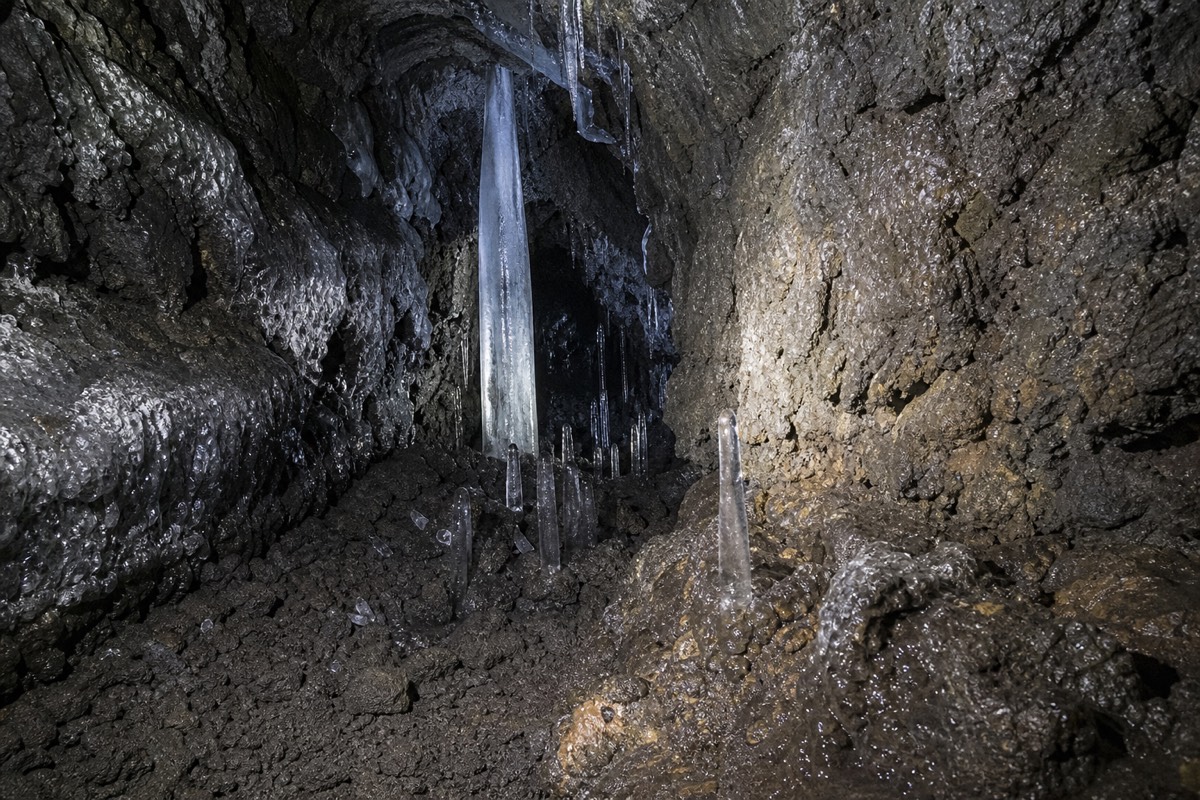
Visually, this makes them different visits. Narusawa is about the ice: pillars, frost, the strange sight of solid ice inside a volcano. Fugaku is about scale and texture: it is the bigger of the two caves, with taller ceilings in places, and the appeal is more the basalt architecture and the historical use of the space than any single striking feature.
The practical upshot for visitors deciding between them, or planning to do both, is that Fugaku is generally the easier of the two physically, since you spend less time bending and ducking, while Narusawa is the more visually dramatic of the pair thanks to the ice. Neither one is more "worth it" than the other; they answer different questions about the same volcanic event, which is exactly why doing both back to back tends to land better than either cave seen alone.
What Was Fugaku Wind Cave Used For Historically?
From the Edo period into the Meiji period, roughly the 1600s to the 1900s, Fugaku Wind Cave was used to store silkworm eggs, taking advantage of its naturally cold, stable temperature the same way a modern refrigerator is used today. Japan's silk industry depended on carefully timed egg storage, and a cave that held a steady few degrees above freezing, without any mechanical cooling, was a genuinely valuable piece of infrastructure long before it became a tourist stop. The cave was designated a Natural Monument by Japan's Ministry of Education in 1929, recognition that predates its current role as a cave-tour attraction by decades.
What To Expect Inside
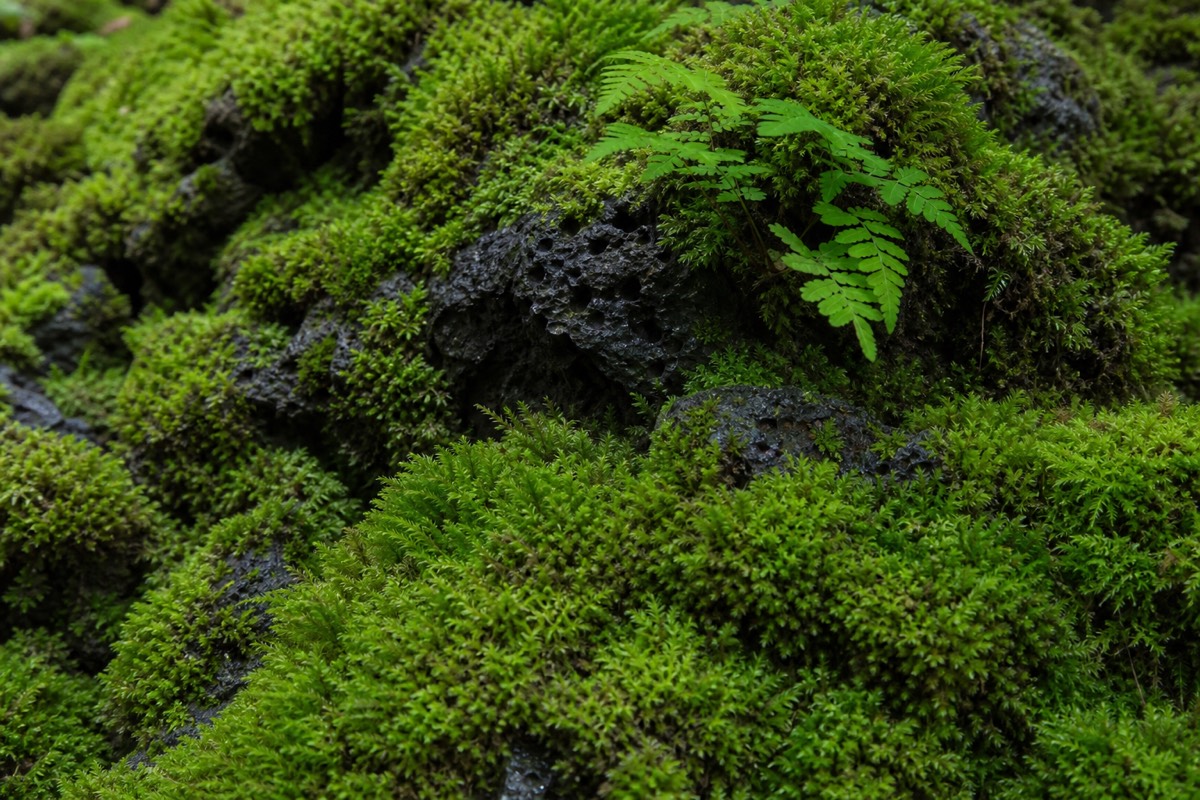
A visit runs a well-defined loop along a walkway, taking around 15 minutes, through a taller, more open lava tube than Narusawa's, with bare basalt walls, cool damp air, and none of the ice formations found next door. The ceiling reaches up to about 8.7 metres in places, noticeably more headroom than the tight, ducking sections of Narusawa Ice Cave, though some passages still narrow enough to require care. The near-silence inside, a product of the same sound-absorbing porous rock found throughout the forest above, is often the detail visitors remark on most.
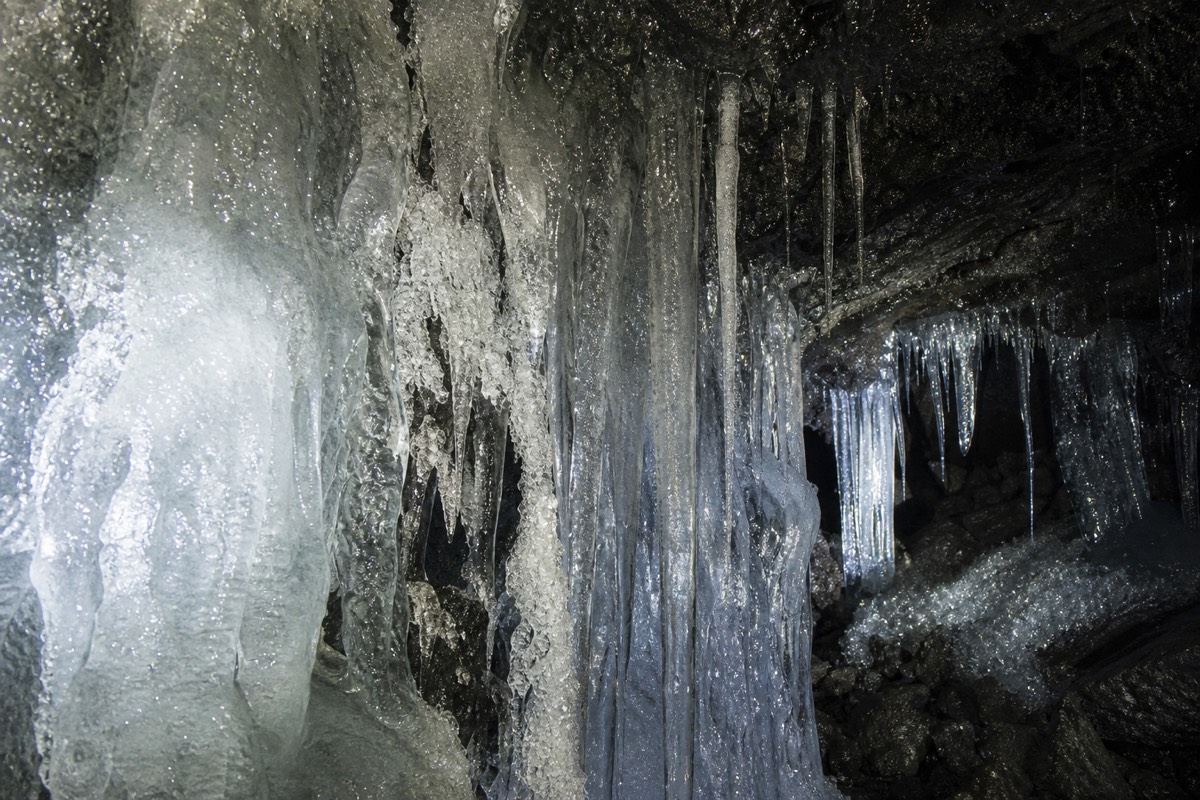
Bring a light layer for the cold and shoes with grip, since the floor can be damp. It is a shorter, generally easier visit than Narusawa given the taller ceilings and less ice underfoot, though neither cave is suited to wheelchairs or strollers.
Because the cave is so much larger in cross-section than Narusawa, the sense of space is different too. Where Narusawa feels close and enclosing, Fugaku's chambers open out enough that a small group can walk comfortably side by side in the wider sections. Interpretive signage along the walkway points out the rock textures and, in places, the layout used historically for egg storage racks, giving the walk a sense of purpose beyond simply looking at basalt.
Why Fugaku Wind Cave Matters Beyond The Tour Stop
Fugaku Wind Cave's 1929 Natural Monument designation reflects its value as a geological record of the 864 CE eruption, not just its appeal as a tourist attraction, and that same eruption defines almost everything else in the surrounding landscape. The lava that formed the cave also formed Aokigahara Forest above it, split the older Se-no-umi lake into what are now Lake Sai and Lake Shoji, and built several of the cinder cones visible in the wider area. Standing inside Fugaku Wind Cave, in a practical sense, means standing inside a piece of the same volcanic event that shaped the entire Fuji Five Lakes region, which is part of why researchers and geology-minded visitors treat it as more than a photo stop.
Best Time To Visit Fugaku Wind Cave
Early morning or late afternoon avoids the busiest hours, the same pattern as at Narusawa Ice Cave next door, since both caves draw from the same pool of day-trippers arriving from Kawaguchiko and Tokyo mid-morning. Because Fugaku has no ice to melt or reform, it does not have the same dramatic seasonal contrast as its neighbour, but a hot summer day still makes the cave's steady, cool interior a welcome break, while a cold winter visit will feel far less of a shift from the temperature outside.
| Fugaku Wind Cave | Narusawa Ice Cave | |
|---|---|---|
| Length | ~201 m | 156 m |
| Max height | ~8.7 m | up to 3.6 m |
| Average temperature | ~3°C, no ice | Near 0°C, permanent ice |
| Historical use | Silkworm egg storage (Edo-Meiji era) | Natural refrigeration |
| Typical visit time | ~15 minutes | 15-30 minutes |
| Entrance fee (adult) | ~¥350 | ~¥350 (¥600 combined) |
Getting To Fugaku Wind Cave
Fugaku Wind Cave sits about two minutes by car, or a short walk, from Narusawa Ice Cave, and both are reached the same way: Kawaguchiko Station, then roughly 30 minutes by bus, taxi or car. The cave is open daily, typically 9:00 AM to 5:00 PM, with entrance around ¥350 for an adult, though hours and prices can shift seasonally, so check current details before you go. There is no direct rail access, so a car, bus, taxi or guided tour with transport included is necessary for the final stretch from Kawaguchiko.
Independent travellers without a rental car generally rely on a local bus service or taxi from Kawaguchiko Station, and parking is available on-site for those driving themselves. Given how close the two caves sit to each other, there is little practical reason to plan separate trips for Narusawa and Fugaku; the harder logistical question is simply getting from Kawaguchiko to the cluster of caves in the first place, which is exactly the piece a guided tour removes.
Combining Fugaku Wind Cave With Narusawa Ice Cave
Because the two caves sit about two minutes apart, a combined ticket covering both is available and typically costs less than paying separately, and most visitors who make the trip out do both in a single stop. The pairing makes sense beyond the convenience: seeing the icy, low-ceilinged Narusawa immediately followed by the taller, ice-free Fugaku makes the difference between the two far more vivid than reading about it, since you feel the temperature and scale difference directly.
If you only have time for one cave, choose based on what you want. Narusawa for the ice formations and the more dramatic photo. Fugaku for more headroom, an easier walk, and the historical silkworm-storage backstory. With the two only minutes apart, though, most visitors find there is little reason not to see both.
Is Fugaku Wind Cave The Same As The Bat Cave?
No. The Lake Saiko Bat Cave is a third, separate lava tube over by Lake Saiko, distinct from both Fugaku Wind Cave and Narusawa Ice Cave, and it is the least visited of the three named caves in the area. All three formed from the same 864 CE eruption and sit within the same lava field, but they are three different physical caves in three different locations, so a ticket or tour for one does not include the others. If bats specifically are the draw, that is the cave to look up separately, since neither Fugaku nor Narusawa is known for a bat population.
Frequently Asked Questions
How Long Is Fugaku Wind Cave?
About 201 metres, with a maximum height of roughly 8.7 metres, making it the largest of the named lava-tube caves in Aokigahara Forest.
Is Fugaku Wind Cave The Same As The Ice Cave?
No. Fugaku Wind Cave stays cool and airy year-round, around 3°C, with no permanent ice. Narusawa Ice Cave, a separate cave about two minutes away, stays close to freezing and has permanent ice formations.
What Was Fugaku Wind Cave Used For Historically?
From the Edo period into the Meiji period, it was used to store silkworm eggs, relying on its naturally stable cold temperature. It was designated a Natural Monument in 1929.
How Long Does A Visit To Fugaku Wind Cave Take?
Around 15 minutes for the main loop, making it a shorter visit than Narusawa Ice Cave, though total time including travel and any queue runs closer to 45 minutes to an hour.
Can You Visit Fugaku Wind Cave And Narusawa Ice Cave Together?
Yes, easily. They sit about two minutes apart by car, and a combined ticket covering both is typically available for less than paying for each separately.
Compare Your Whole-Party Costs
Use the same currency, dates, people and inclusions for both totals. Add transport, cave tickets, meals and any extras before comparing.
A difference may buy guiding, equipment or transport. It is not a saving unless both options cover what your party wants.