Mt. Fuji Day Trip From Tokyo: Aokigahara + Fuji Five Lakes Itinerary
Aokigahara Forest and Mount Fuji sit close enough together that combining them in one day is a genuinely common plan, not a stretch. The real question is not whether it can be done, but how much of it you can actually see without the day turning into a bus window. Here is an honest, hour-by-hour version of that day, built from how the guided combination tours out of Tokyo actually run it.
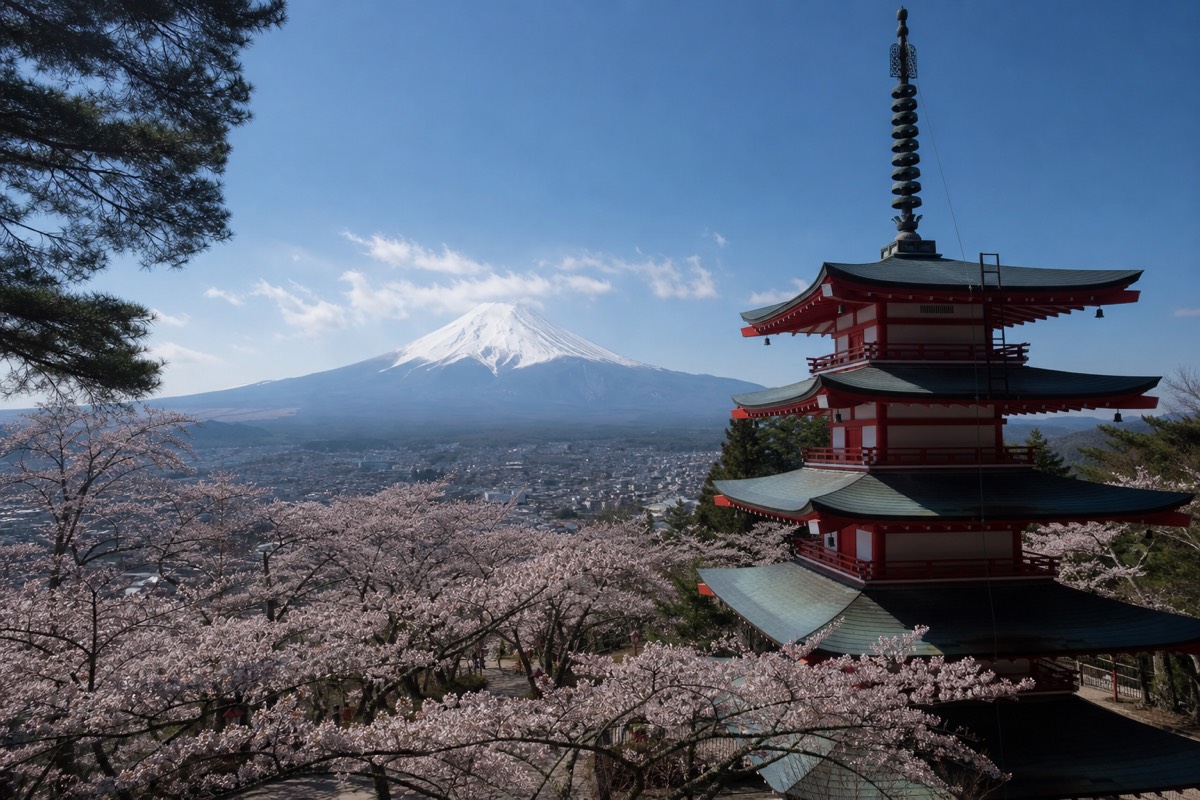
Aokigahara sits on the northwestern base of Mount Fuji in Yamanashi Prefecture, roughly 100 km west of Tokyo, on lava laid down by Fuji's 864 CE eruption. The Fuji Five Lakes towns wrap around the same side of the mountain, and Lake Saiko in particular borders the forest directly. That geography is exactly why the two get planned together: you are not adding a detour, you are visiting one region with two very different things to see in it.
Set aside the full ten-hour vehicle service and confirm your priority stops. Choose a local activity only after arranging the journey to Kawaguchiko.
10 hours: A private vehicle links the forest, Narusawa, Fugaku and lakeside stops in one day. English-speaking driver; central Tokyo pickup and return. Entrance fees, food and drinks are extra. Confirm your address and itinerary before booking.
Plan The Forest And Caves From Tokyo · Choose by time and starting pointOne realistic day: Tokyo, the forest, and a lake viewpoint
An approximate schedule compiled from typical operator day-trip timings and public transit journey times, not a fixed itinerary. Your own day will shift with traffic, season and how long you linger at each stop.
Can You Do Mount Fuji In A Day Trip From Tokyo?
Yes. Mount Fuji and Aokigahara Forest are a realistic day trip from Tokyo by train, highway bus or private tour, and combination tours doing exactly this already run out of Tokyo every day. What changes with the method you pick is how much of the day gets eaten by transit versus how much you actually spend in the forest or at a lake viewpoint.
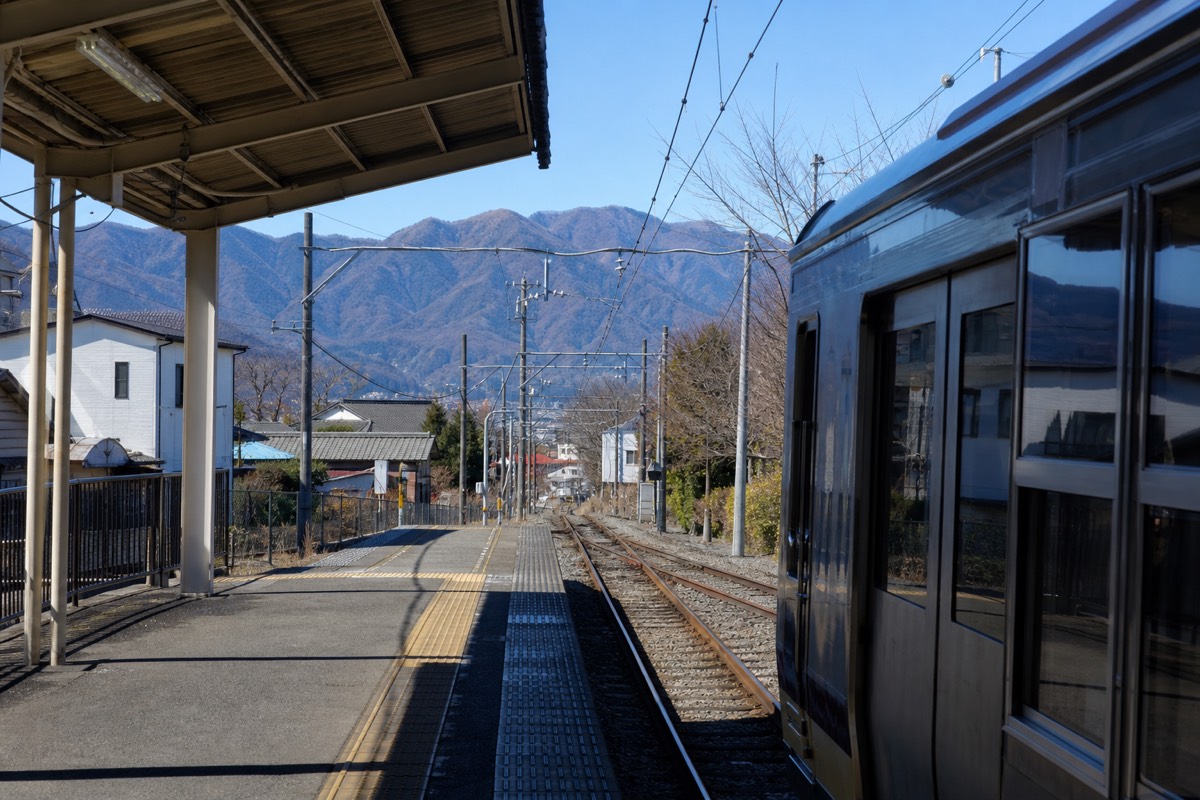
By public transport, the Fuji Excursion limited express train runs directly from Shinjuku to Kawaguchiko Station in around 1 hour 53 minutes. Add the local bus or taxi from there into the forest, roughly 20 to 50 minutes depending on which cave or trailhead you are headed to, and you are looking at about 2.5 to 3 hours each way, door to door. A private car or guided tour covers the same ground closer to 2 hours each way via the Chuo Expressway. Either way, that is 4 to 6 hours of the day spent in transit before you count anything you actually do there, which is the number that decides how the rest of the itinerary has to be built.
Is Mount Fuji Worth A Day Trip From Tokyo?
For most travelers, yes, especially if the day includes something beyond a single viewpoint, like the forest and its lava caves alongside a lake stop. A pure "look at the mountain and come back" day can feel thin given the travel time; a day built around Aokigahara's caves and trails plus a lakeside view of Fuji gives you two distinct experiences for one round trip.
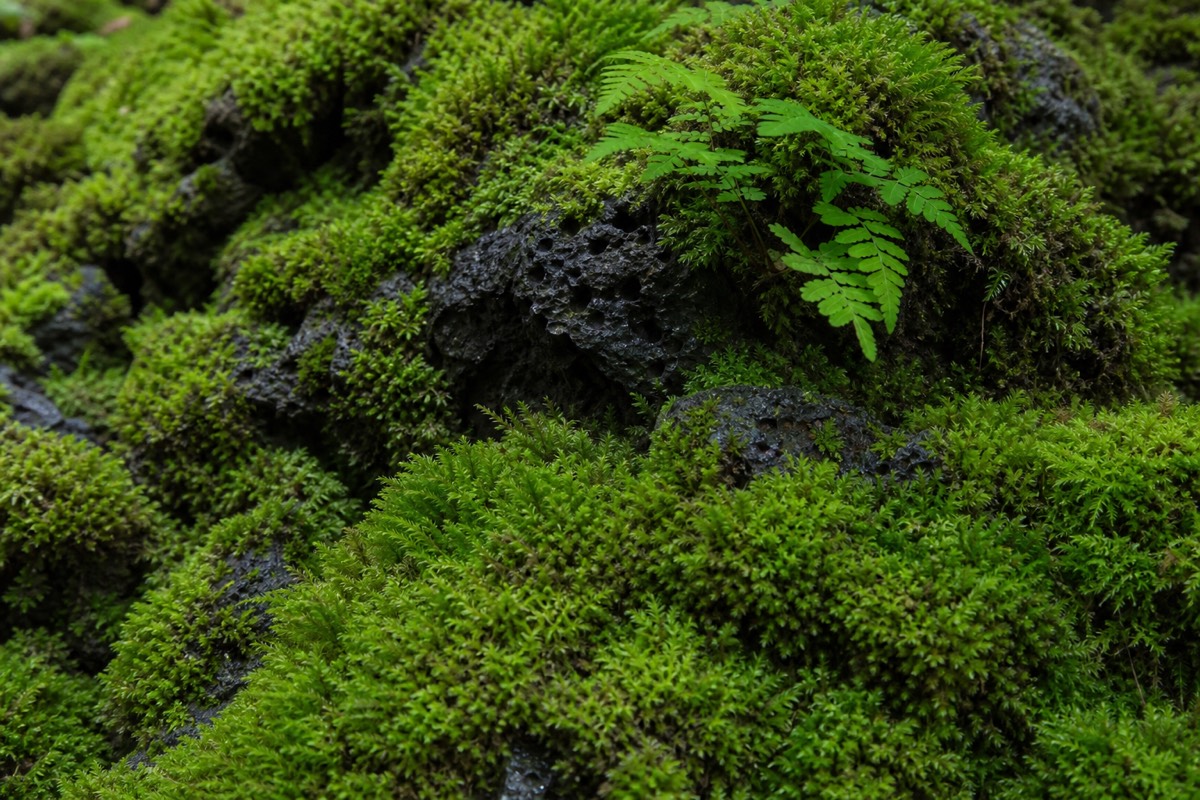
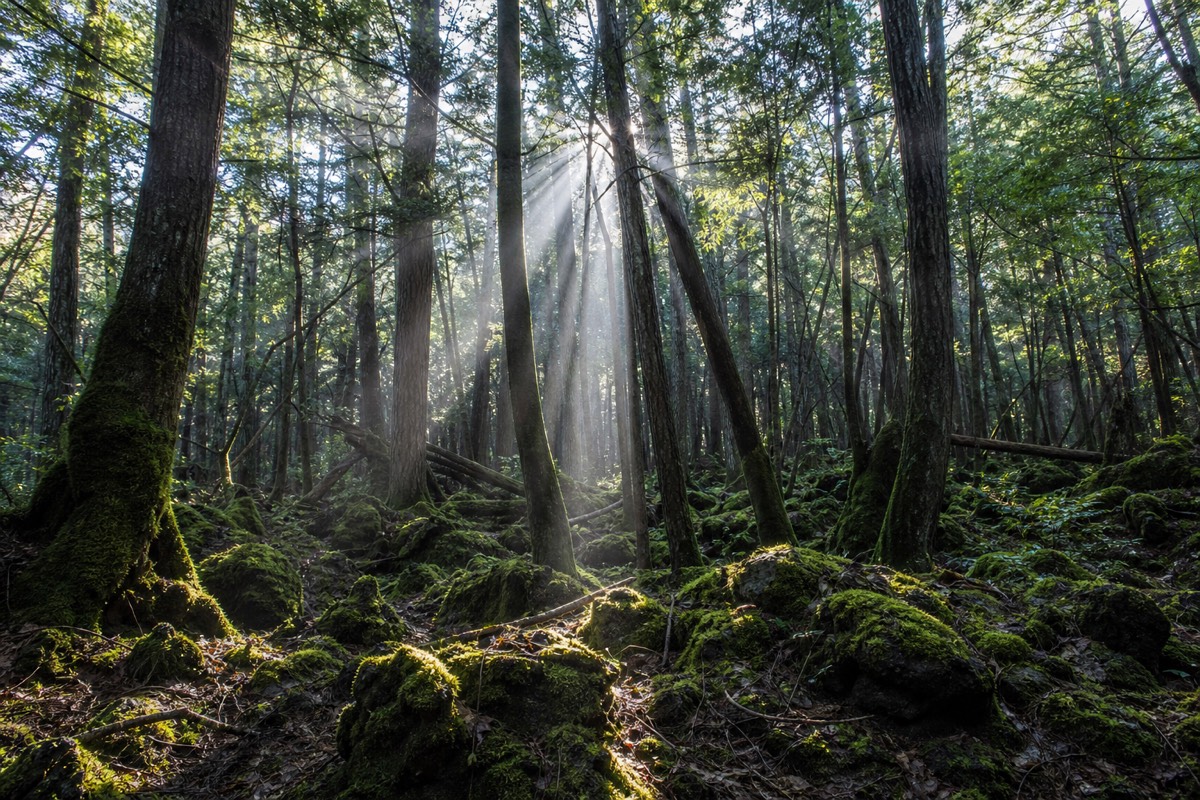
The honest caveat is Fuji itself. It is a real mountain with real weather, and cloud cover hides the summit on plenty of days, especially in summer. Aokigahara does not have that problem: the forest, the moss-covered lava floor and the caves are there regardless of what the sky is doing, which is one reason pairing the two makes the day more weather-resilient than chasing a Fuji photo alone.
What A Realistic One-day Itinerary Actually Looks Like
Depart Tokyo by 6:30-7:30 AM, spend the late morning in Aokigahara and one of its lava caves, take lunch near a lake, use the early afternoon for a second Fuji viewpoint, and start heading back by mid-afternoon to be in Tokyo by evening. That sequencing is not arbitrary. It front-loads the forest, which has fixed opening hours and gets busier from mid-morning onward, and it leaves the more flexible lake and viewpoint time for the afternoon.
A typical version, timed against how the site's own guided day trips actually run:
- Early morning: hotel pickup in Tokyo, or an early train from Shinjuku toward Kawaguchiko.
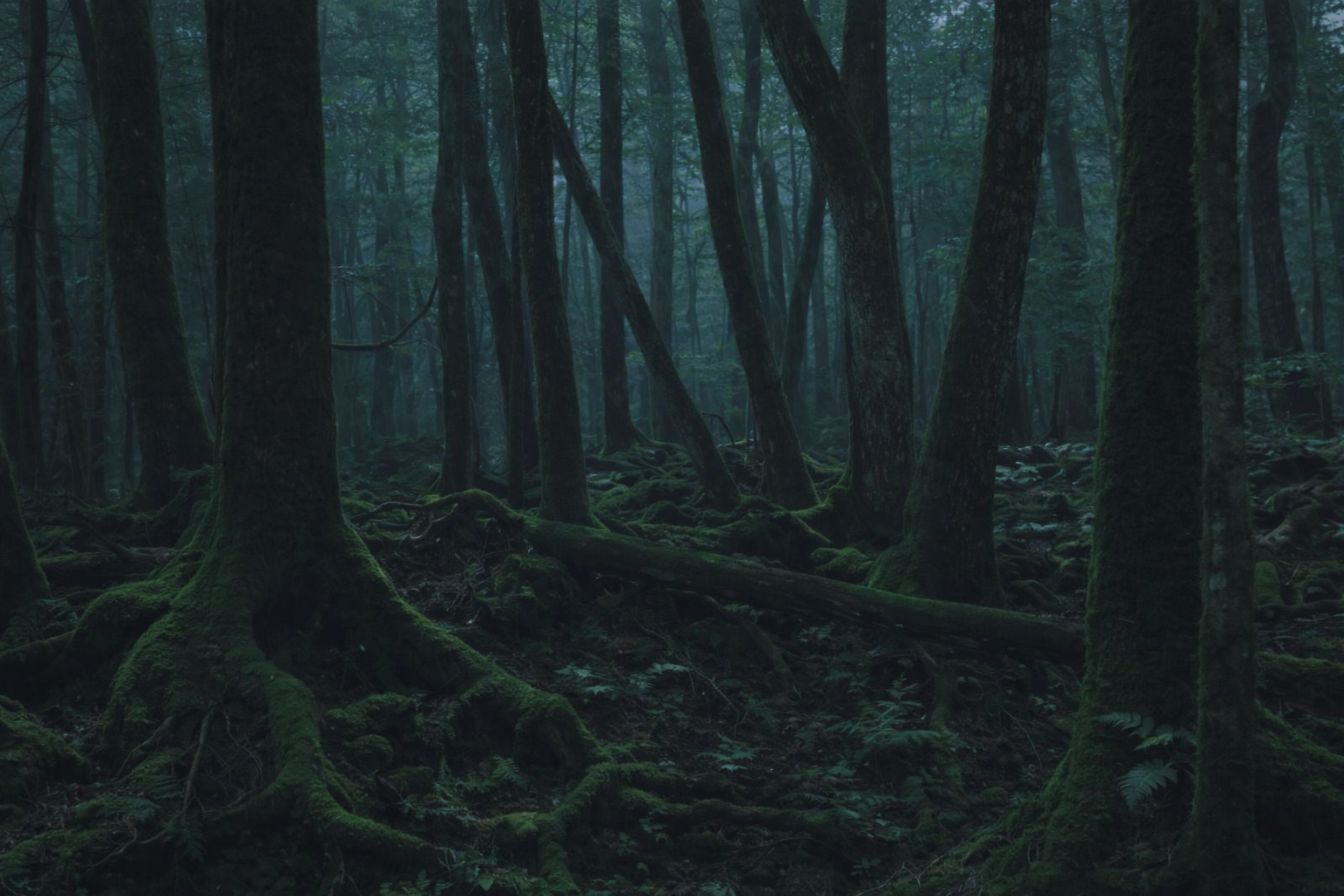
- Mid-morning: arrive in the Kawaguchiko/Saiko area and head into Aokigahara. Most guided walks run a marked loop through the forest and into one lava tube, Narusawa Ice Cave or Fugaku Wind Cave, over roughly 1.5 to 2 hours.
- Midday: lunch. Several of the tours on this site build a Japanese-style lunch, including a BBQ option, into the day near the lakes.
- Early afternoon: a second stop built around Fuji itself rather than the forest: a lakeside viewpoint on Kawaguchiko, Oshino Hakkai's spring-fed ponds, or a photo stop at Chureito Pagoda if the route allows it.
- Mid-to-late afternoon: begin the return leg, timed to avoid the worst of Tokyo's evening rush on the expressway.
- Evening: back in central Tokyo, typically somewhere between 6:30 and 8:30 PM depending on where the day started and how much traffic the return hits.
Train And Bus, Or A Private Tour: Which Actually Gets You More
Public transport is cheaper and works fine if you only want the forest itself; a private or guided tour is what makes combining Aokigahara with multiple Fuji Five Lakes stops realistic in a single day, because it removes the connections and dead time between them. The choice mostly comes down to how many things you want to see, not just whether you can reach the forest at all.
| Method | Rough one-way time to the Kawaguchiko/forest area | What it's good for |
|---|---|---|
| Fuji Excursion train + local bus | ~2.5-3 hrs | Independent travelers heading to one main stop, comfortable with transfers |
| Highway bus from Shinjuku + local bus/taxi | ~2.5-3 hrs | Budget travelers, similar time to the train, cheaper fare |
| Rental car / private taxi | ~2 hrs | Flexible timing, but you navigate and park yourself |
| Guided private or small-group tour | ~2 hrs, plus planned stops | Combining the forest with multiple lake or viewpoint stops in one day |
The gap is not really about speed, since a tour and a private car cover the road in similar time. It is about what happens between stops. On a self-planned public transport day, each additional stop means finding the next bus, checking the timetable and building in a buffer for a missed connection. On a guided day, that scheduling is already solved, which is the practical reason the combination tours on this site can fit the forest, a cave, and one or two lake stops into a single day where an independent traveler might realistically only manage the forest itself.
Is It Too Much For One Day?
It is a full day either way, and honestly borders on a long one if you try to add a summit-area 5th Station stop on top of the forest and the lakes. Aokigahara plus one or two Fuji Five Lakes stops is comfortable in a single day; Aokigahara plus the lakes plus a Fuji 5th Station visit is possible but tight. The limiting factor is not distance, it is how much of the day you are willing to spend moving between things versus standing in front of them.
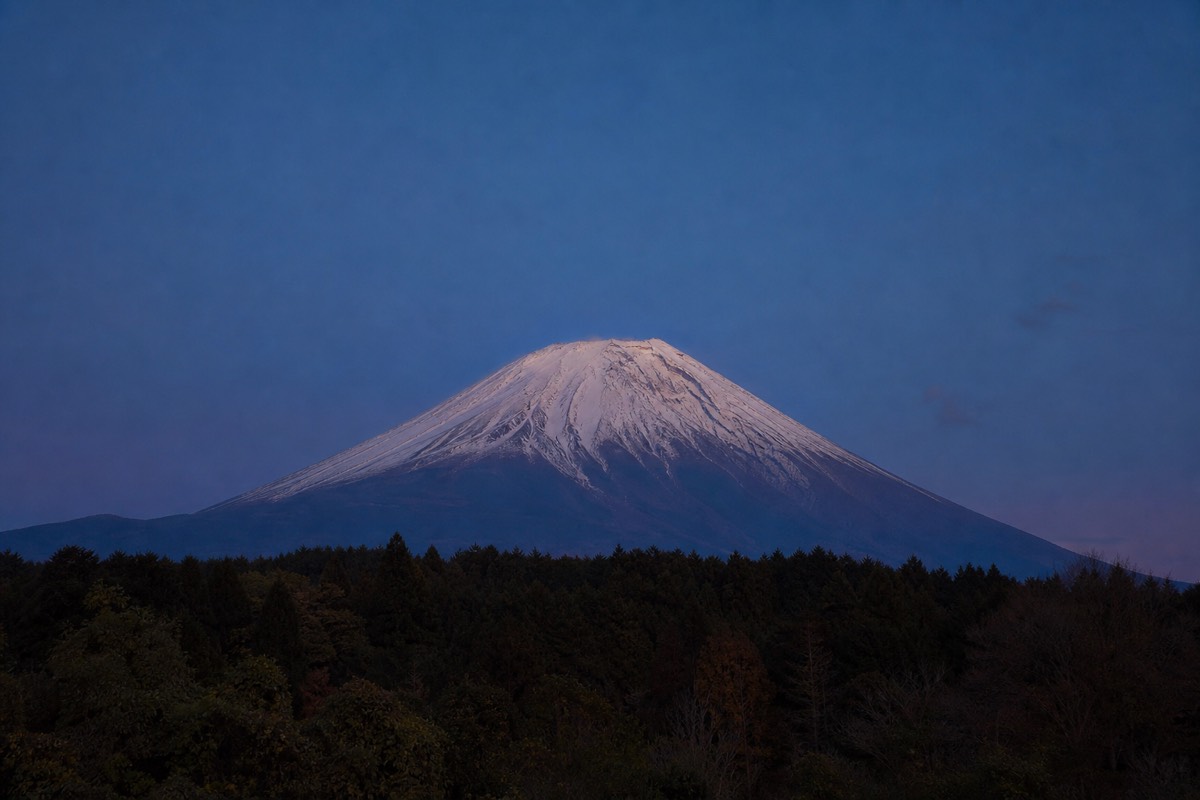
Some honest signs this is the right day trip for you: you have one full day near Tokyo and want to see both Fuji's volcanic landscape and its more scenic lakeside side, you are comfortable with an early start and a 10 to 12 hour day out, and you would rather see two real things well than four things briefly. Some honest signs it is not: you want a relaxed, unhurried pace with long stops everywhere, you are traveling with very young children or anyone who tires on long car or train rides, or you already have a separate day planned for the Fuji 5th Station or a lake-town overnight, in which case splitting the trip across two days removes the time pressure entirely.
Overnight Near The Lakes Instead Of A Day Trip
Staying one night in the Kawaguchiko or Saiko area turns a rushed single day into two relaxed half-days, and it is worth considering if your Tokyo schedule has any flexibility at all. Splitting the forest and the lakes across two mornings, rather than cramming both into one, removes almost all of the time pressure described above and gives you a real shot at catching Fuji without cloud cover, since mornings tend to offer the clearest views.
That said, a day trip is the far more common way to do this, and it is what most of the tours based on this site are built around. If your itinerary only has room for one day near Fuji, the itinerary above is the realistic version of making that day count.
What To Pack For The Day
Sturdy, closed shoes for uneven lava-rock trails, a light jacket even in summer since the caves run cold year-round, a portable phone charger, and cash in small yen denominations for cave entrance fees and local snacks. Layer for temperature swings: Aokigahara sits at 900 to 1,300 meters elevation, noticeably cooler than central Tokyo, and the lava tube caves hold a near-constant chill regardless of the season outside.
Best Time Of Year To Run This Itinerary
April is generally the strongest month for this specific day: clear, dry air gives good odds of an unobstructed Fuji view, and the forest and lake towns are past cherry-blossom crowding since the blossoms cluster around the lower lake towns rather than the forest itself. October is a solid second choice for the same reasons, with autumn color added.
Summer (July-August) is workable but comes with more cloud and haze around the summit, more crowding at the popular cave entrances on weekends, and warmer, more humid trail conditions. Winter (November-February) tends to give the clearest possible mountain views thanks to cold, dry air, but with real cold on the trail and shorter daylight to fit the whole itinerary into, which matters more on a single tightly-timed day than on a multi-day trip. Whichever season, arriving at the forest by mid-morning keeps you ahead of the tour buses that tend to arrive from 10 to 11 AM onward.
Mistakes That Turn This Into A Rushed Day
The itinerary above works because each stage has a rough ceiling on how long it should take, and the most common way it goes wrong is letting one stage run long and squeezing everything after it. A late start from Tokyo, an over-long lunch, or lingering at the first lake viewpoint all have the same effect: the return leg gets pushed into evening traffic on the expressway, which can add a genuinely frustrating hour to the drive back. The fix is not to rush the forest, it's to protect the return window by deciding your turnaround time before you leave Tokyo and treating it as firm.
Compare Your Whole-Party Costs
Use the same currency, dates, people and inclusions for both totals. Add transport, cave tickets, meals and any extras before comparing.
A difference may buy guiding, equipment or transport. It is not a saving unless both options cover what your party wants.