Is Narusawa Ice Cave Worth It?
It depends less on the cave and more on what you're hoping to get out of it. Here is the actual case for and against.
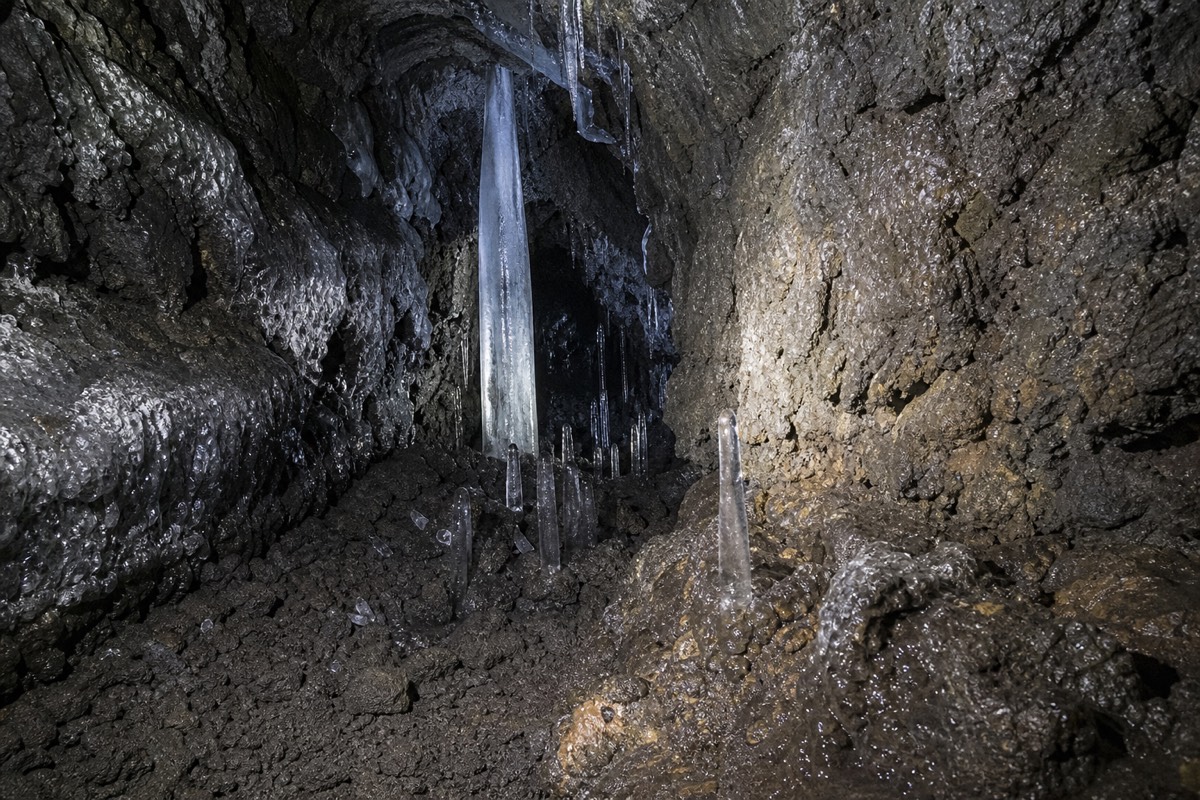
For most visitors already near Mt. Fuji, yes: natural ice that survives through summer inside a real lava tube is an unusual, low-cost, easy-to-reach stop. It is a weaker choice if you dislike caves or tight spaces, or if your one Mt. Fuji day is already packed with bigger-ticket stops.
A walk-in cave ticket suits a brief visit. Choose the Tokyo forest-and-caves route for a fuller itinerary; the equipped cave excursion is a separate activity.
10 hours: A private vehicle links the forest, Narusawa, Fugaku and lakeside stops in one day. English-speaking driver; central Tokyo pickup and return. Entrance fees, food and drinks are extra. Confirm your address and itinerary before booking.
Plan The Forest And Caves From Tokyo · Choose by time and starting pointWhat Actually Makes It Worth The Stop
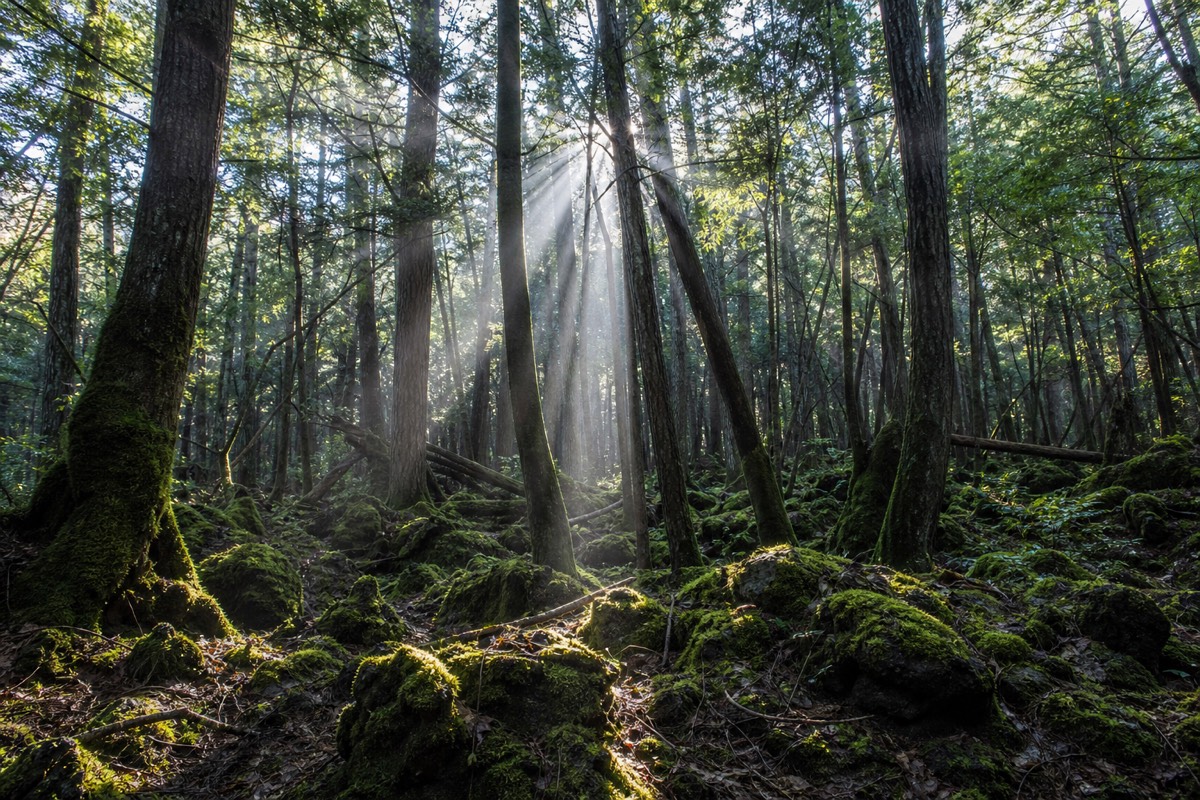
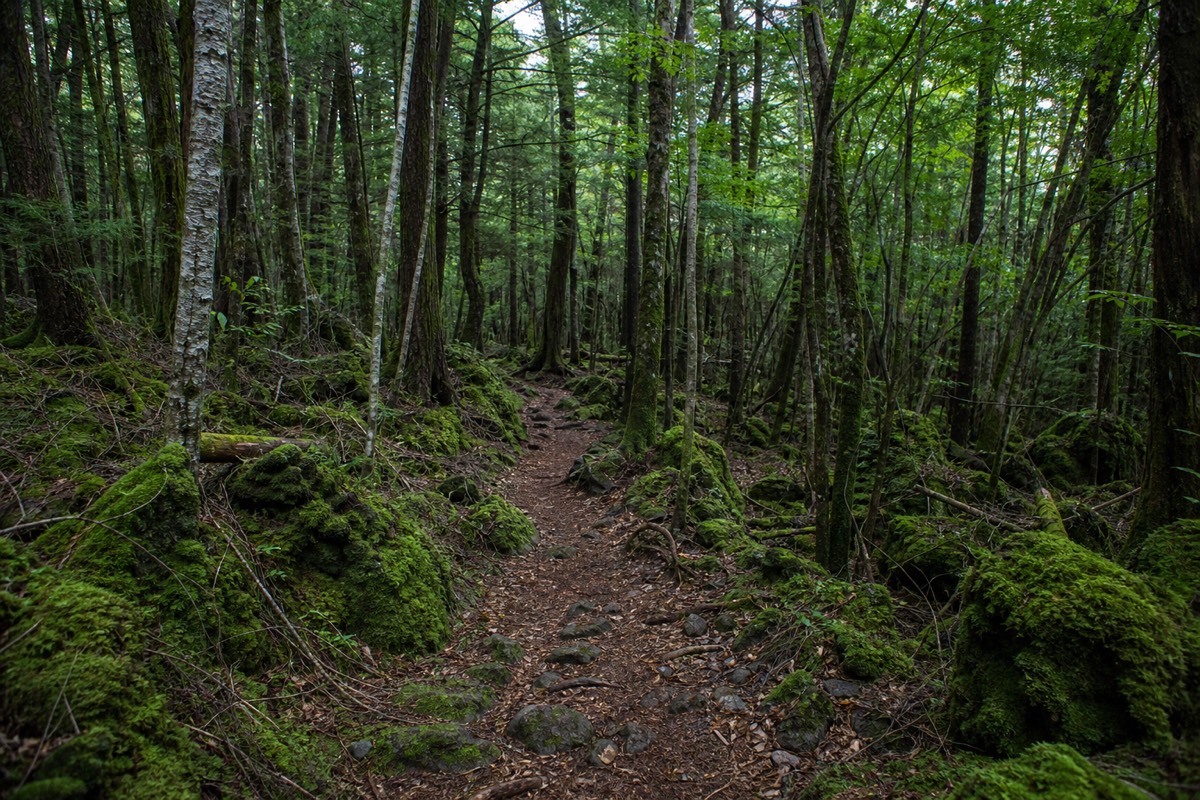
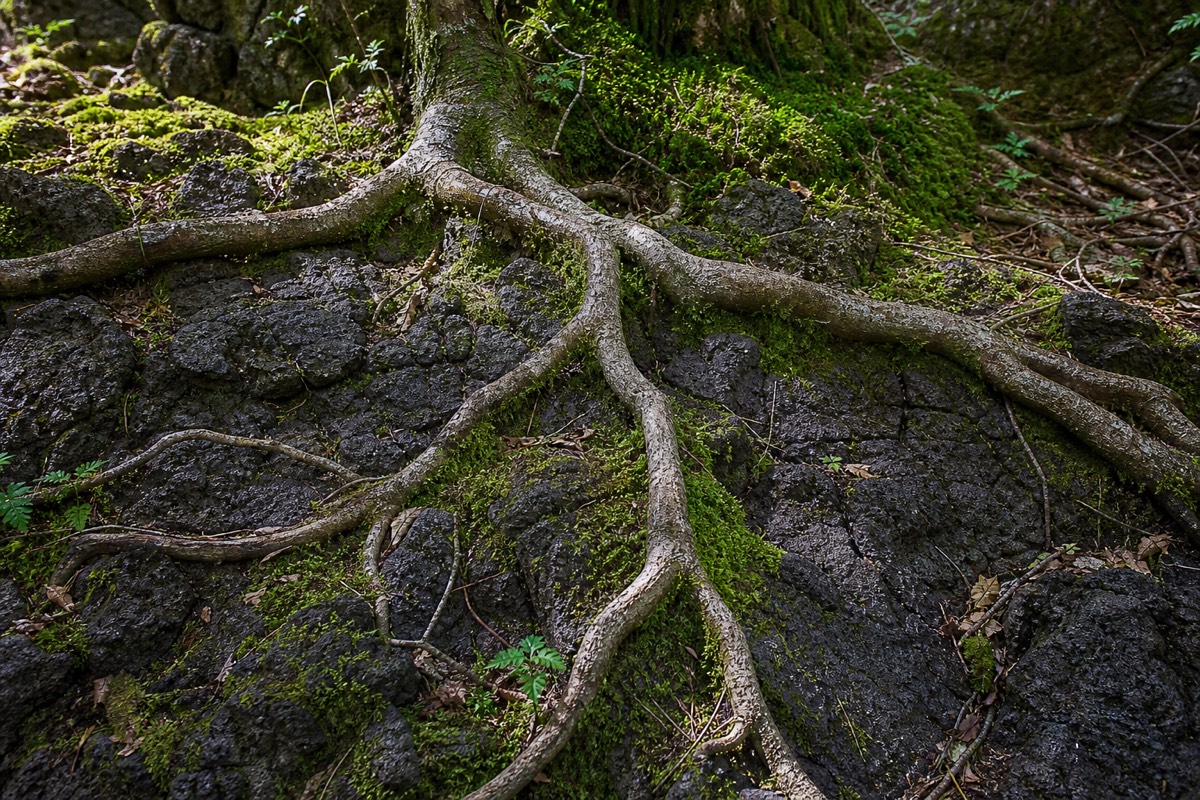
The ice inside Narusawa Ice Cave is not artificial and it is not seasonal in the way a normal ice attraction would be. The lava tube's shape traps cold air near the floor, so formations persist through the warmer months, which is genuinely uncommon to see in Japan in the middle of August. It also sits on real geology rather than a manufactured spectacle: the tube formed from an eruption near nearby Mt. Nagao, and the same volcanic story runs through the tree roots and hardened lava rock across the rest of Aokigahara above it. Walking it also costs little in either time or money. At 15 to 20 minutes and a modest entrance fee, it fits easily alongside a lake stop or a forest walk without eating your whole day, and it works as a cool-down break if you are visiting in summer, when the forest above ground can be warm and humid.
When It Is Not Worth Your Time
The cave is genuinely tight in places, with ceilings as low as a meter and a route that narrows and turns through two connected lobes, so it is a poor fit for anyone uneasy in confined, damp, low-light spaces. It is also a quiet, small-scale attraction rather than a dramatic one: there is no lighting show, no guided narration built into the walk-in ticket, and nothing that will rival a lake view or a mountain panorama for sheer visual impact. If your only Mt. Fuji day is packed and you have to pick one stop, a lake viewpoint or the forest trek itself will likely leave a bigger impression than the cave alone, and travelers on a very tight schedule may reasonably decide it is skippable.
How It Compares To The Other Caves Nearby
Narusawa Ice Cave is one of three tourist lava-tube caves at the northern foot of Mt. Fuji, alongside Fugaku Wind Cave and the Lake Sai (Saiko) Bat Cave. Fugaku Wind Cave is a short distance away and often sold on the same combination ticket, so committing to one cave rarely costs much extra time or money to see two. Fugaku is generally the larger of the pair, more of a walk-through geology stop than an ice spectacle, which makes the two a natural complement rather than a repeat of the same experience. Tours that bundle several caves into a single day, including the multi-cave route on this site that pairs Narusawa with other lava-tube sites and a "haunted hospital" stop, suit travelers who want the geology angle in depth rather than a single quick look.
Who Tends To Enjoy It Most
In practice, the visitors who come away impressed are usually the ones who go in expecting a short geology curiosity rather than a headline attraction: people who like the idea of standing inside a lava tube that has held ice since long before any of them were born, watching it outlast every summer that has come and gone. Families with older kids tend to do well here, since the walk is short enough to hold attention without demanding much stamina. Travelers hunting for a single unforgettable Fuji moment are usually better served by a lake view or a pagoda photo; the cave rewards curiosity more than spectacle.
Setting The Right Expectation
The honest framing that serves most travelers best: this is a small, genuine natural curiosity, not a headline attraction on the scale of a mountain view or a shrine complex. Go in expecting a short, cold, offbeat 20 minutes inside real geology, and it tends to land well. Go in expecting something dramatic or expansive, and it can feel smaller than the name suggests. Setting that expectation honestly before you go matters more to how much you enjoy it than almost anything else about the visit.
The Honest Bottom Line
Treat it as a strong 20-minute addition to a Fuji day you are already building around the forest, the lakes, or the caves, not as a destination worth planning an entire trip around by itself. Judged on those terms, most visitors who make the stop consider it worth it.
Worth It If, Skip It If
| Worth it if | Skip it if |
|---|---|
| You want to see real ice in summer | You are not curious about caves specifically |
| You are comfortable in tight, low spaces | You dislike confined or damp spaces |
| You have 20 to 45 minutes to spare | Your Fuji day is already fully booked |
| You are already near Kawaguchiko or on a Fuji-area tour | You would need a special trip just for this one stop |
Compare Your Whole-Party Costs
Use the same currency, dates, people and inclusions for both totals. Add transport, cave tickets, meals and any extras before comparing.
A difference may buy guiding, equipment or transport. It is not a saving unless both options cover what your party wants.