Narusawa Ice Cave Vs. Fugaku Wind Cave: What's The Difference?
They're often visited together, and often confused for each other beforehand. Here's what actually separates the two caves, and whether you should bother with both.
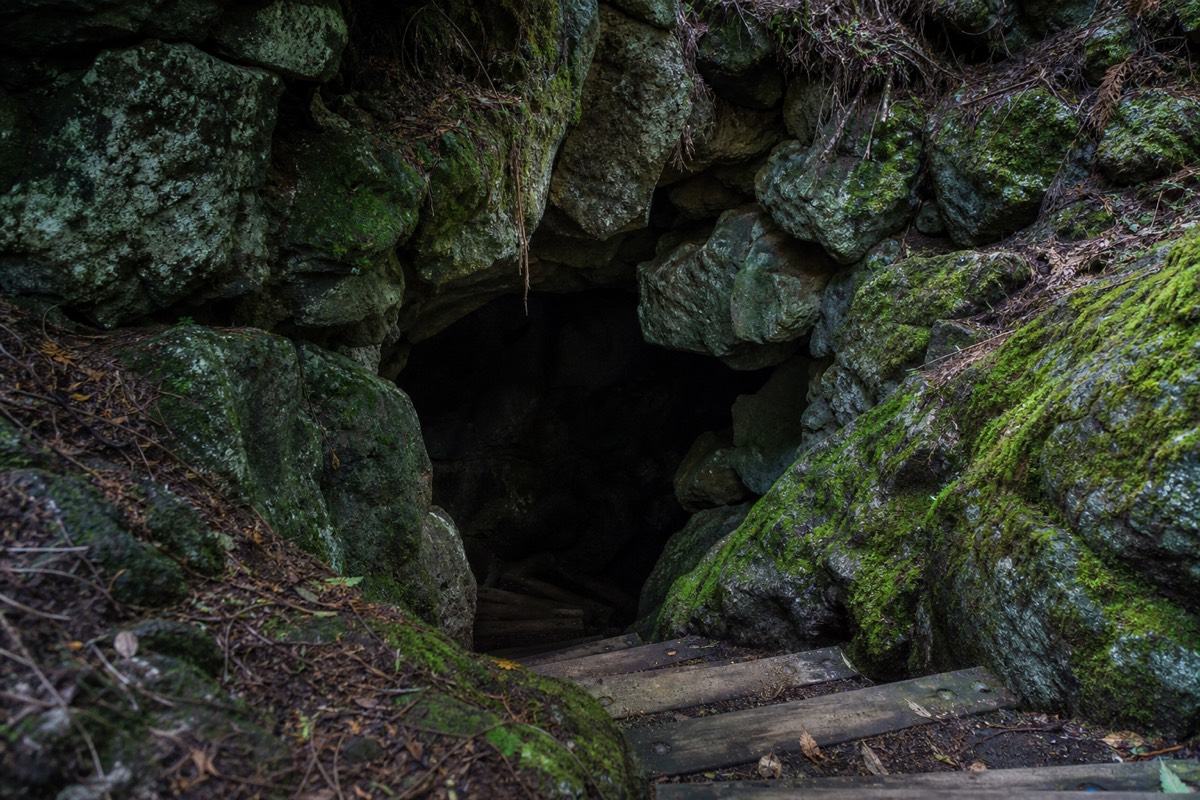
Both caves are lava tubes formed by Mt. Fuji's 864 CE eruption, but they're built very differently inside. Narusawa Ice Cave is a tight, low-ceilinged tube where you'll be crouching past ice pillars that persist into summer. Fugaku Wind Cave is longer, considerably taller on average, and a much easier walk, historically cool enough that it was once used to store silkworm eggs.
For Narusawa and Fugaku together, preserve the DIY combined-visit option. The private Tokyo itinerary adds transport, with entrance fees extra.
10 hours: A private vehicle links the forest, Narusawa, Fugaku and lakeside stops in one day. English-speaking driver; central Tokyo pickup and return. Entrance fees, food and drinks are extra. Confirm your address and itinerary before booking.
Plan The Forest And Caves From Tokyo · Choose by time and starting pointWhat's Actually Different Between Them?
| Feature | Narusawa Ice Cave | Fugaku Wind Cave |
|---|---|---|
| Length (visitor route) | ~156 m | ~201 m |
| Ceiling | As low as ~91 cm at points, mostly 1–3.6 m | Average ~8.7 m |
| Cave shape | Vertical pit cave, narrow lobes | Horizontal walk-through tube |
| Notable feature | Natural ice pillars, forms in winter, lasts into summer | Icicles and lava-rock formations, constant cool temperature |
| Historical use | None recorded | Storing silkworm eggs, Edo to Meiji periods |
| Typical visit length | ~6–10 minutes | ~15 minutes |
Which One Is More Physically Demanding?
Narusawa, clearly. Its ceiling drops to around 91 centimeters at the lowest point, meaning real crouching, and the ice underfoot makes footing slippery in spots. Visitors are handed free helmets at the entrance for exactly this reason, and taller travelers (above roughly 170 cm) tend to struggle more than shorter ones through the narrowest sections. Fugaku, by contrast, has an average ceiling height of about 8.7 meters, tall enough that most of the walk feels roomy rather than cramped. If mobility or claustrophobia is a concern, Fugaku is the far more comfortable of the two.
Which Is More Visually Dramatic?
That depends on what you're after. Narusawa's ice pillars and frozen walls are the more striking, photograph-ready sight, a genuine ice cave forming naturally inside volcanic rock, no refrigeration involved, and one of the more unusual natural features in the whole Fuji region. Fugaku's appeal is different: basalt walls, lava terraces, rope-like solidified lava formations, and its own icicles, spread across a longer, taller space that feels more like walking through a real tunnel than squeezing through a crevice. Narusawa wins on spectacle in a small space; Fugaku wins on atmosphere across a larger one.
Which Should You Skip If You Can Only Pick One?
Neither is a bad choice on its own, but the decision usually comes down to comfort versus novelty. If low ceilings, crouching, or slick ice underfoot sound unappealing, or you're traveling with young kids or anyone with mobility limits, go with Fugaku and skip Narusawa. If you specifically want the ice, the rarer and more photogenic of the two features, and don't mind a short, careful crouch to see it, Narusawa is worth the extra effort. Given how close together they sit, most visitors don't actually have to choose.
Can You Visit Both In One Trip?
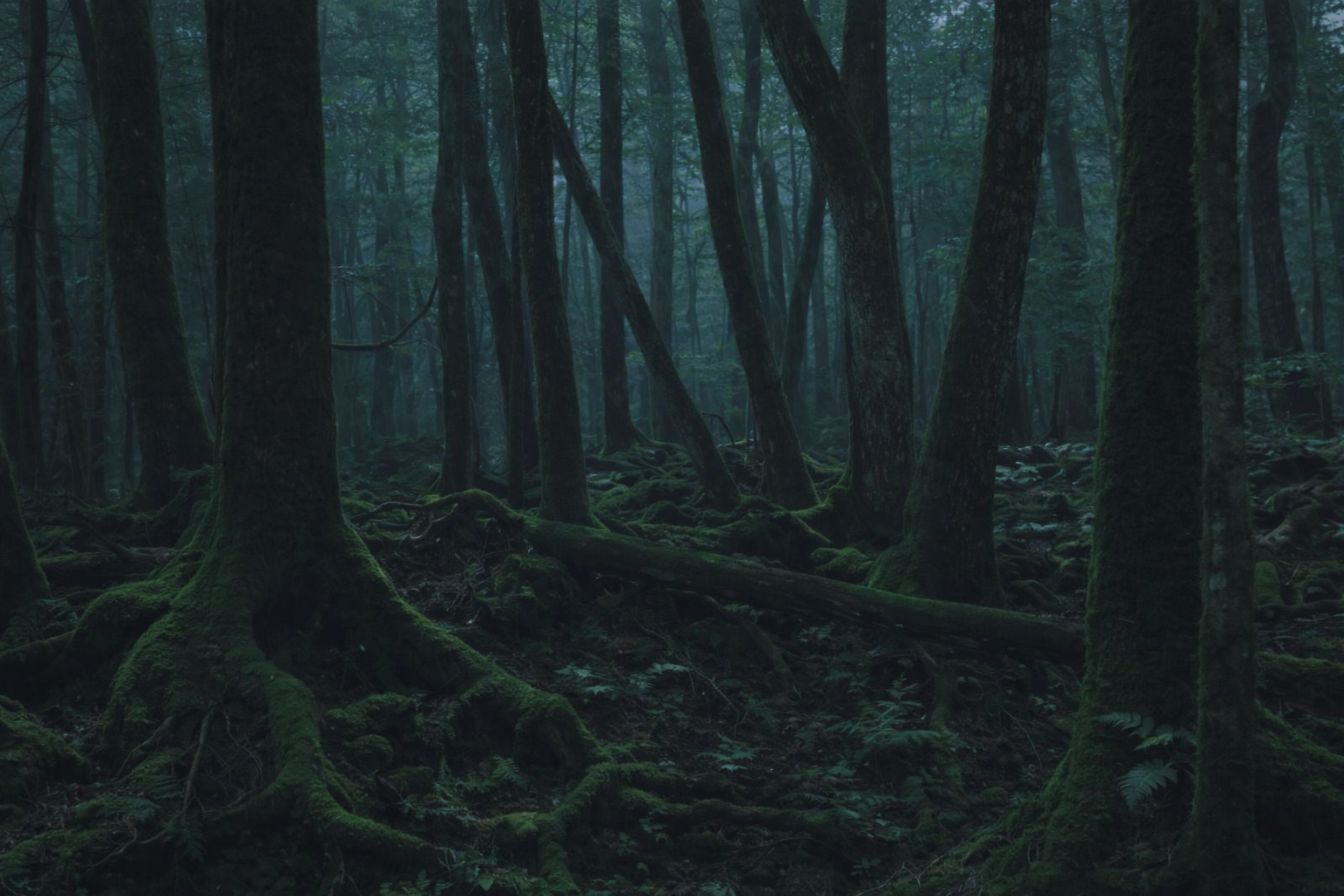
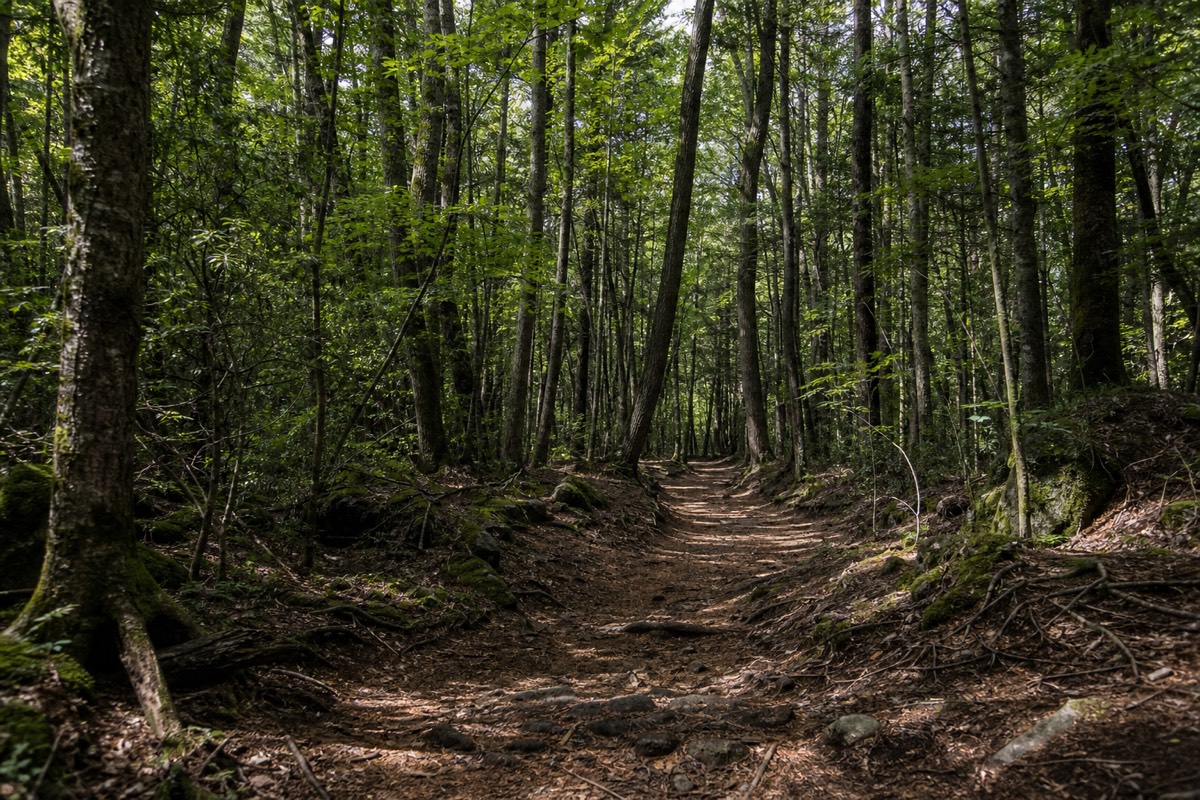
Easily, and most visitors do. The two caves sit close together, roughly 1.7 km apart along a mostly flat forest path, about a 20-minute walk, or a couple of minutes by car. A combined ticket covering both is available for less than paying separately, and the visits themselves are short: figure on roughly 15 minutes inside Fugaku and closer to 6 to 10 minutes at Narusawa given the slower, careful pace the low ceiling forces. Pairing both easily fits inside a half-day alongside a walk through Aokigahara itself, and several guided tours already build the pairing into a single stop rather than treating them as separate excursions.
What Should You Wear Or Bring For Either Cave?
Both caves stay cold year-round, typically in the range of 3 to 8°C regardless of the season outside, so a jacket or fleece you can tie around your waist once you're back in the open air is worth carrying even on a hot summer day. Sturdy shoes with real grip matter more at Narusawa, where the ice underfoot and the crouching make loose footwear a genuine liability, while flat, closed shoes are fine for Fugaku's wider, drier walkway. Both sites are lit for visitors, so a flashlight isn't essential, though some travelers bring a small one for a better look at the formations. Helmets, where needed, are provided on-site rather than something you need to bring yourself.