Can You Visit Aokigahara's Ice Caves Without A Tour?
Short answer: yes, at least for the cave most people mean. Narusawa Ice Cave sells its own walk-in tickets at the entrance, no operator required. Here is where that answer gets more complicated.
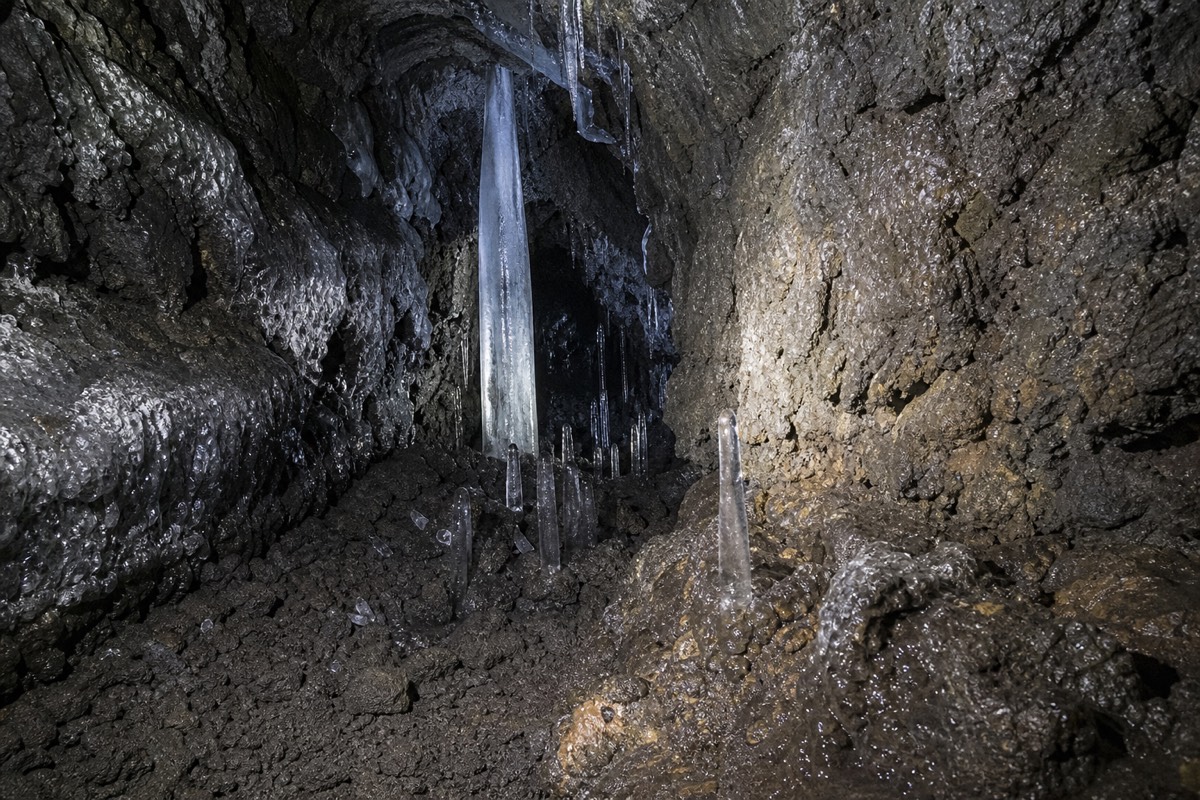
Yes. Narusawa Ice Cave itself is independently ticketed: a machine at the entrance sells admission on the spot, with no reservation or guide required. The catch is everything around that fact, not the fact itself, so the rest of this covers what actually changes if you skip the tour, and when skipping it stops making sense.
Keep the walk-in Narusawa option. Pay for a private Tokyo route when several stops and transport matter, or choose the separate equipped cave excursion for a different underground experience.
10 hours: A private vehicle links the forest, Narusawa, Fugaku and lakeside stops in one day. English-speaking driver; central Tokyo pickup and return. Entrance fees, food and drinks are extra. Confirm your address and itinerary before booking.
Plan The Forest And Caves From Tokyo · Choose by time and starting pointIs Narusawa Ice Cave Really Self-guided?
It is. Buy a ticket at the entrance (general admission runs a few hundred yen for adults, less for children), put on a hard hat if staff hand you one, and walk the route yourself. The path is fixed and well marked, a single loop about 156 meters long through the lava tube, with a fork partway through and staff stationed near the entrance if something is unclear. There is no docent walking the tunnel with you and no set departure time to catch, so you move at whatever pace you like. The cave typically closes in the late afternoon, so this is not a stop you can leave until the last minute of the day. Combination tickets covering the nearby Fugaku Wind Cave are usually sold at the same counter, so seeing both caves without a tour is just as straightforward as seeing one.
So What Does A Guided Tour Actually Add?
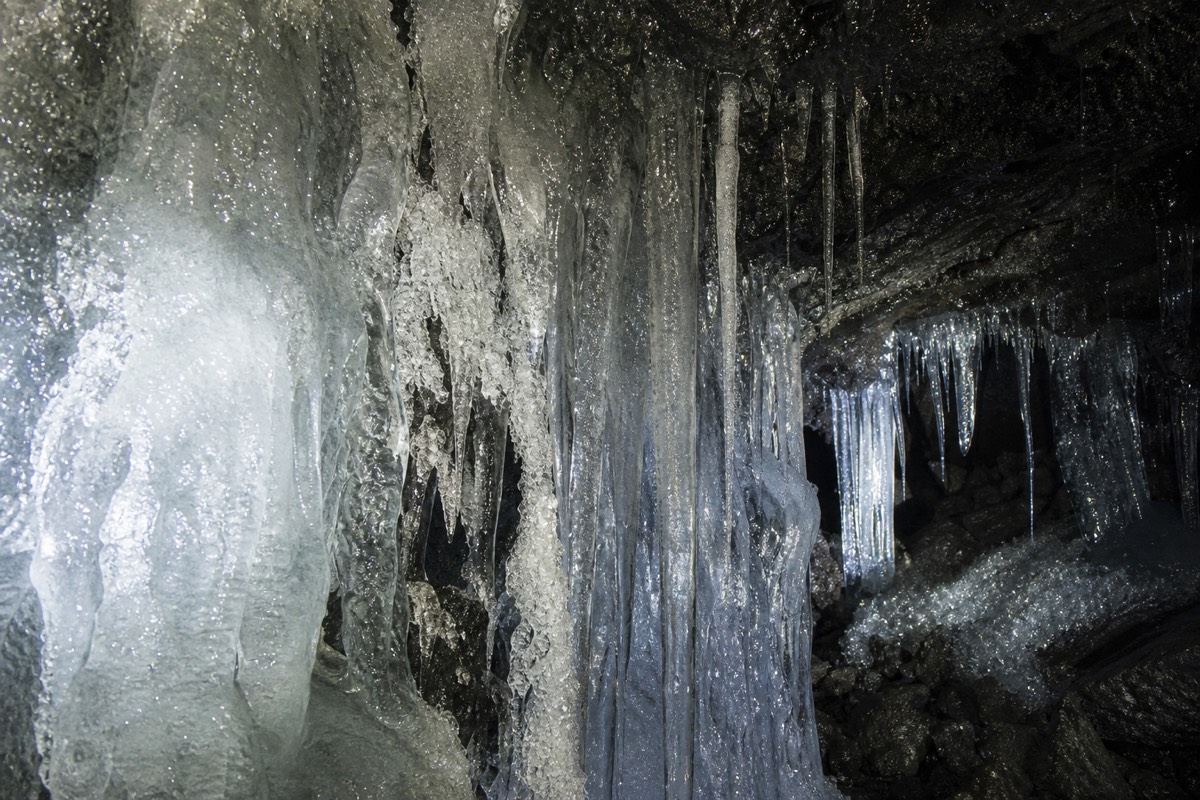
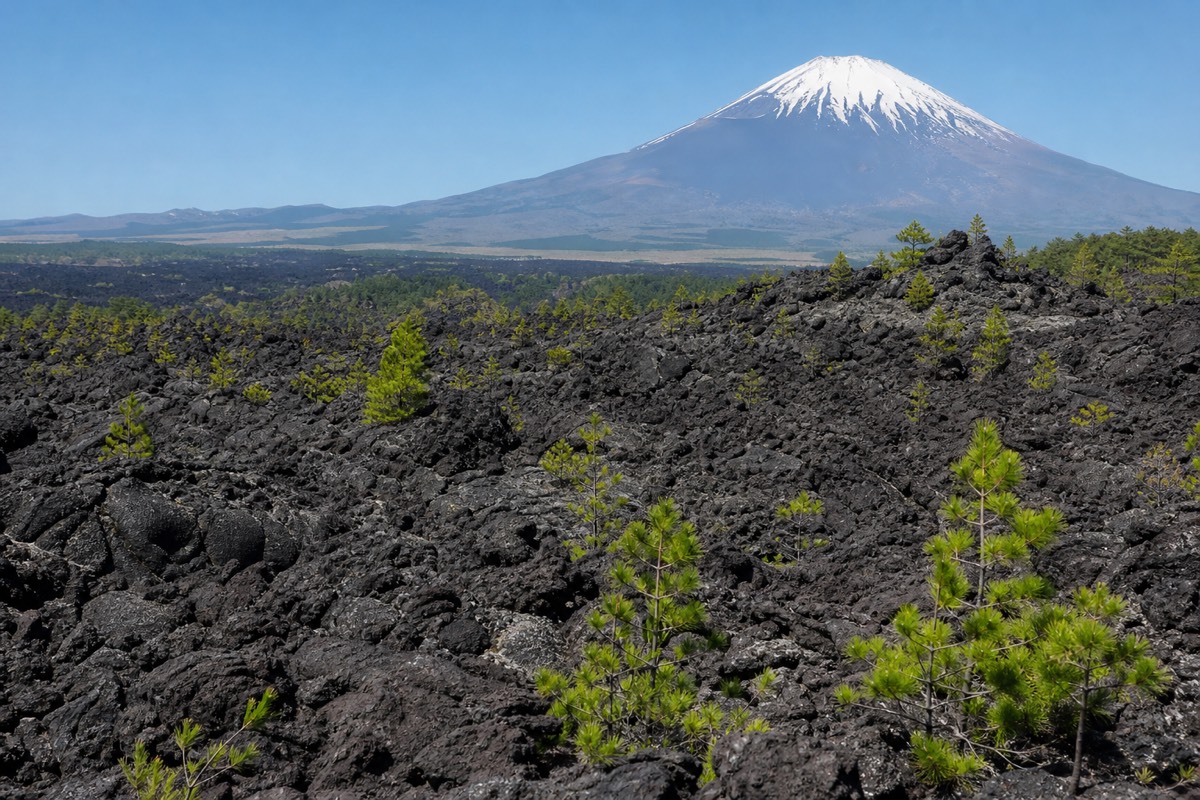
Two things: transport and narration. Narusawa Ice Cave sits about 30 minutes from Kawaguchiko Station by bus, and bus schedules to that stop are not frequent, so travelers without a rental car often lose more time waiting for a return bus than they spent inside the cave itself. That math changes the calculation for anyone based in Tokyo rather than staying locally around the lakes. A guide also explains what you are looking at (how the ice forms inside a lava tube shaped to trap cold air, why it survives well into summer, how this cave fits into the wider network of lava-tube caves at Fuji's base) in more depth than the on-site signage typically covers in English. Multi-cave tours that also stop at Fugaku Wind Cave and other lava-tube caves in the area bundle several sites plus transport into one booking, which is the part that is genuinely guided rather than self-serve.
Which One Fits Your Trip?
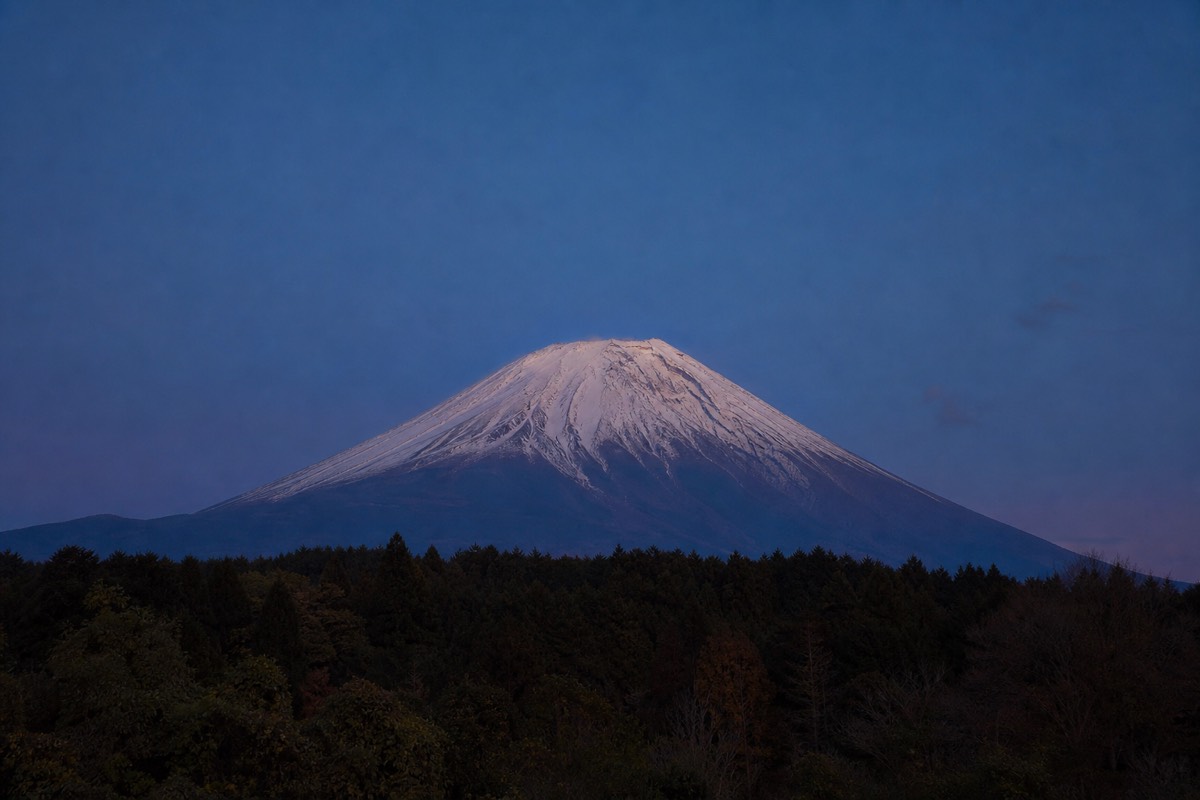
If you already have a rental car, or you can fold the cave into a bus route you were taking anyway, walk-in access works fine and costs a fraction of a guided tour. It also suits travelers who just want the one cave and nothing more that day. If you are coming from Tokyo without a car, want more than one cave in a day, or want the geology and history explained rather than pieced together from a sign, a guided visit like the one on this site removes the transit math entirely and adds the context a walk-in ticket does not come with.
What To Bring Either Way
Whether you buy your own ticket or join a tour, the cave itself does not change: it stays near freezing year-round, the floor is uneven ice rather than a flat walkway, and the ceiling drops low enough in places that a hard hat is worth wearing even if it is not required. A layer warmer than what you had on outside and shoes with real grip matter more here than at almost any other stop on a typical Fuji day, and this applies equally whether you walked in on your own ticket or arrived with a group.
Self-guided Versus Guided, Side By Side
| Walk-in ticket | Guided tour | |
|---|---|---|
| Reservation needed | No | Usually, in advance |
| Transport from Kawaguchiko | Your own (infrequent bus, or a car) | Included |
| English narration | Limited signage only | Included |
| Other caves in the same visit | Possible with a combo ticket, self-arranged | Often built in |
| Cost | Lowest | Higher, transport and guiding included |
Neither option is objectively better. The walk-in ticket wins on cost and flexibility for anyone with their own transport; the guided option wins on convenience and context for anyone without one, or anyone trying to see several sites in a single outing without piecing together bus timetables themselves.
What About The Other Caves And Deeper Systems?
The "guided-only" reputation around Aokigahara's caves tends to come from a different category altogether: unofficial or undeveloped lava-tube passages that are not part of the maintained tourist route, which are neither signposted nor safe to enter without training and equipment, and which this site does not sell or encourage visiting independently. That is a separate question from Narusawa Ice Cave, which is a developed, lit, ticketed attraction built for foot traffic. Multi-cave tours that also stop at sites like the Fugaku Wind Cave or a paranormal-themed multi-cave route stay within maintained, publicly accessible caves; they are guided for convenience and depth of coverage, not because the caves themselves are otherwise off-limits.
Compare Your Whole-Party Costs
Use the same currency, dates, people and inclusions for both totals. Add transport, cave tickets, meals and any extras before comparing.
A difference may buy guiding, equipment or transport. It is not a saving unless both options cover what your party wants.