Is Fuji Five Lakes Worth Visiting?
The region gets compared to climbing Mt. Fuji, but they're not really competing for the same trip. Here's what Fuji Five Lakes actually delivers, and where it falls short.
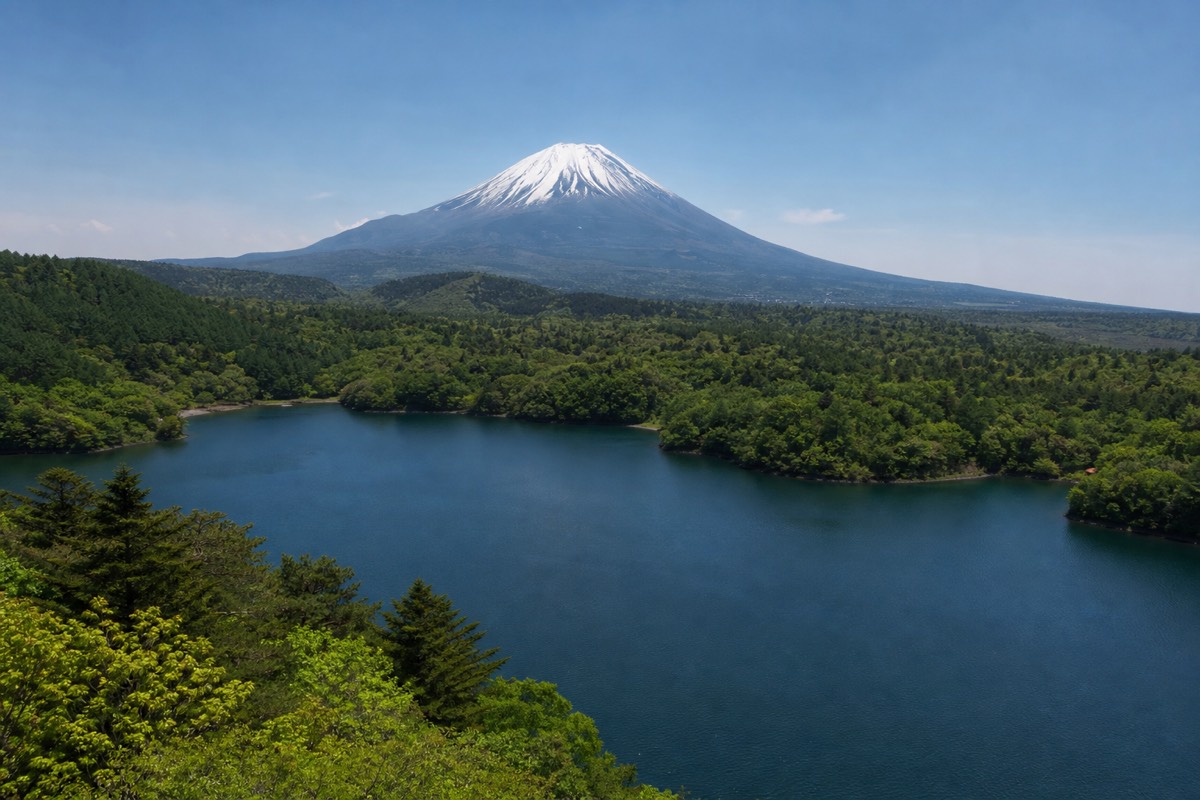
Yes. Fuji Five Lakes is worth visiting if what you want is close, low-effort views of Mt. Fuji, without the cost, permits, and physical toll of climbing it. The region sits right at Fuji's northern base, it's easy to reach from Tokyo in a couple of hours, and it puts you within range of Aokigahara Forest and its lava caves in the same trip.
A forest-and-caves route gives the day more than a mountain viewpoint. From Tokyo, a private vehicle connects those stops; locally, a focused walk is a smaller commitment.
10 hours: A private vehicle links the forest, Narusawa, Fugaku and lakeside stops in one day. English-speaking driver; central Tokyo pickup and return. Entrance fees, food and drinks are extra. Confirm your address and itinerary before booking.
Plan The Forest And Caves From Tokyo · Choose by time and starting pointWhat Actually Makes It Worth The Visit?
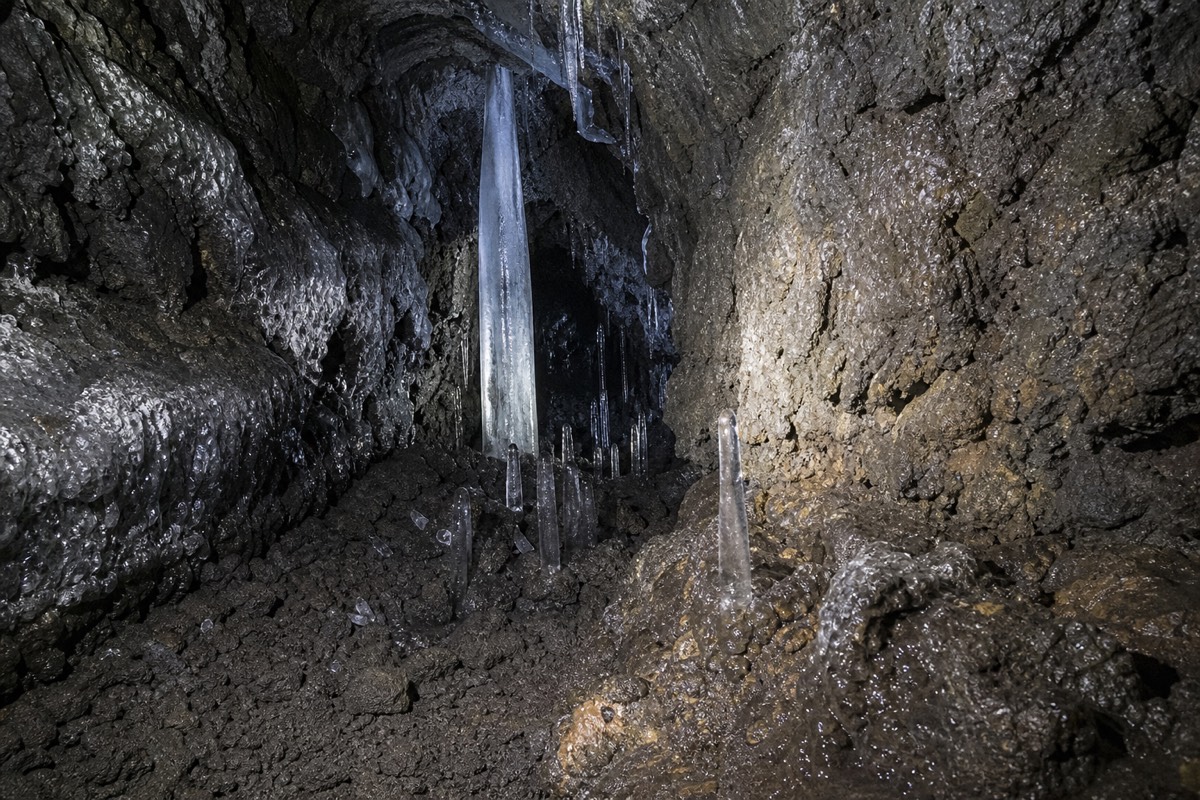
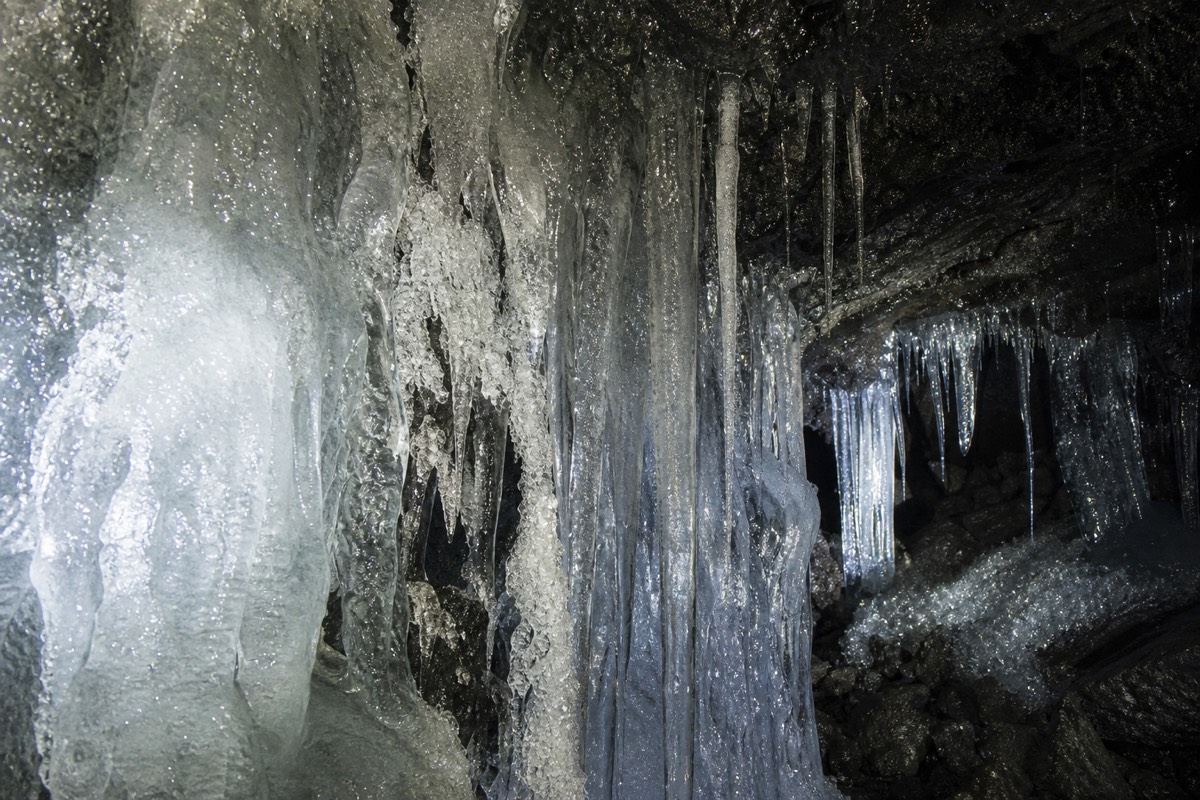
Proximity, mostly. Kawaguchiko, Saiko, Shoji, Motosu, and Yamanaka, the five lakes the region is named for, sit close enough to Mt. Fuji that on a clear day the mountain fills the frame without a hike, a summit permit, or the multi-day planning a Fuji climb requires. Add in Aokigahara Forest bordering several of the lakes, the Narusawa Ice Cave and Fugaku Wind Cave nearby, hot springs, and small towns built around the view, and you've got a genuinely varied day or two rather than a single overlook. It's also considerably less crowded and less physically demanding than climbing season on Fuji itself, which draws far bigger numbers in a much narrower window.
Which Lake Should You Prioritize If You're Short On Time?
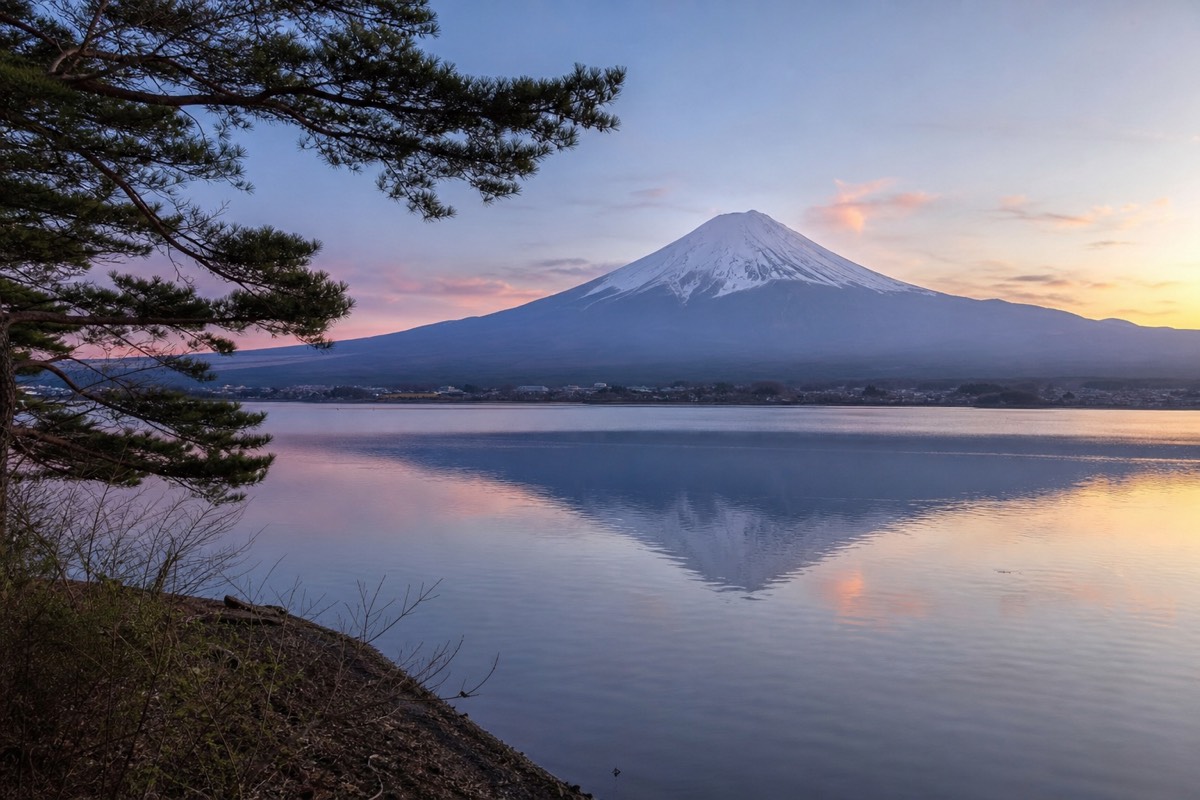
Kawaguchiko. It's the most developed of the five, the easiest to reach by train and bus from Tokyo, and it has the most reliable, widely photographed Fuji views along its northern shore. If you only have a few hours, this is where most of that time should go. Saiko is the better choice if your priority is Aokigahara and the caves specifically, since it borders the forest directly and sits close to both Narusawa Ice Cave and Fugaku Wind Cave.
The other three reward a slower trip. Lake Yamanaka has more of a resort feel and draws the second-biggest crowds after Kawaguchiko, useful if you want more going on around the shoreline. Lake Shoji is the smallest of the five and noticeably quieter, popular for birdwatching and a peaceful lakeside stop if you've already seen the busier lakes. Lake Motosu, on the western edge, is the deepest of the five and known for clear water and kayaking, but it's also the least accessible by public transport, so it makes more sense with a car or as part of a guided route than as an independent side trip.
What's The Catch?
Weather. Mt. Fuji is famously shy about showing itself, and cloud cover, haze, or a low-visibility day can leave you at a lake with no mountain in the photo at all. This isn't unique to Fuji Five Lakes, it's true of any Fuji viewpoint, but it's worth knowing before you build a trip entirely around the view. Mornings tend to offer the clearest air, and autumn through early spring generally gives better odds than the hazier summer months. If a guaranteed Fuji photo matters to you, build in a second day or a flexible schedule rather than a single fixed window, or lean on a lake visit as one part of a broader day rather than the whole reason for the trip.
Do You Need A Car To See The Lakes?
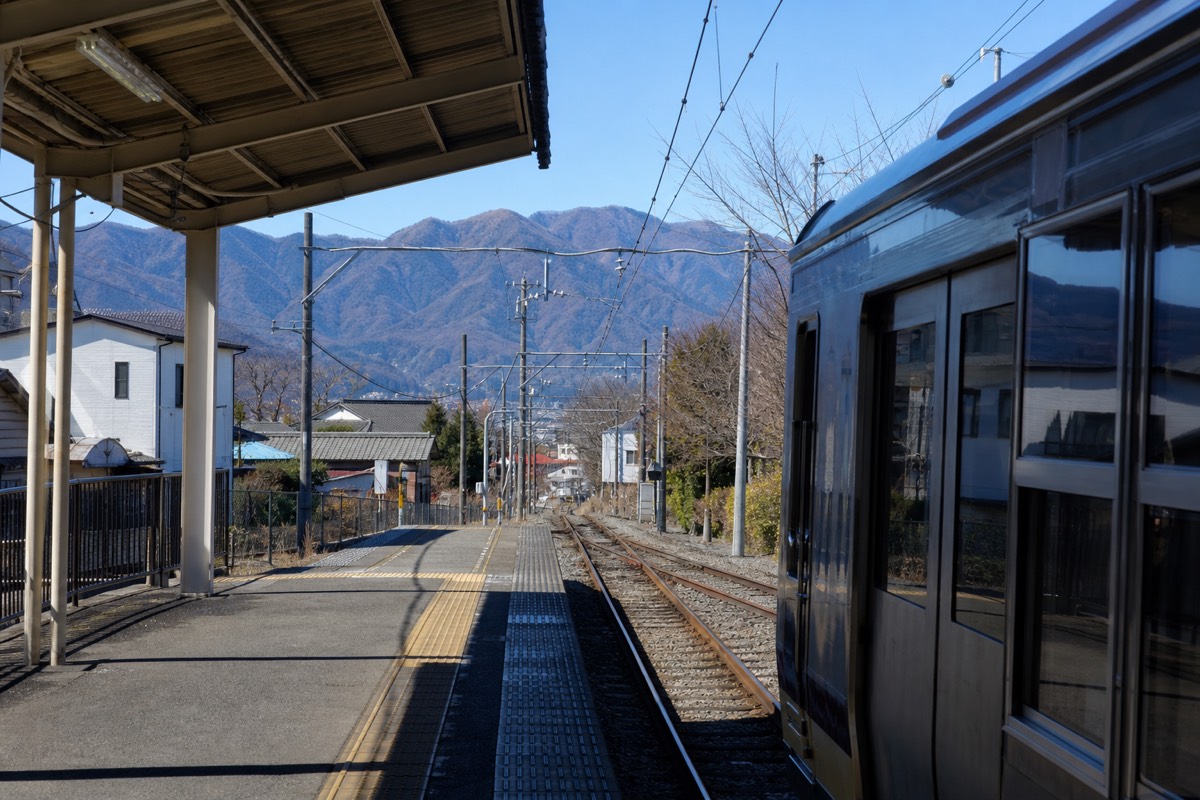
Not necessarily, but it depends which lakes. Kawaguchiko is well connected by train from Tokyo and has a local sightseeing bus loop that covers its main viewpoints without a car. Lake Yamanaka is also reachable by bus. Shoji and Motosu, the quieter, less developed lakes, are considerably harder to reach on public transport and make far more sense with a rental car or as a stop on a guided tour route than as an independent side trip. If you're not driving, plan your time mainly around Kawaguchiko and, if you want it, Saiko for the Aokigahara side, rather than trying to string all five together.
How Does It Pair With Aokigahara Forest?
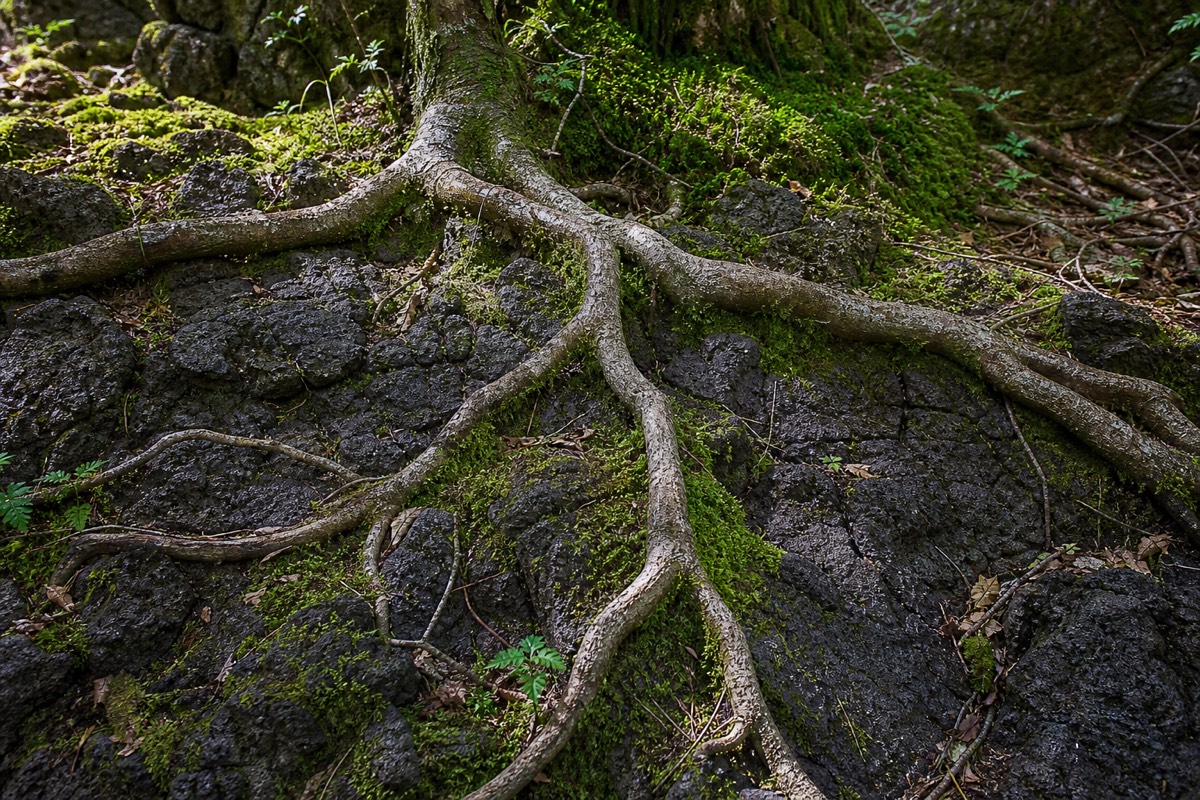
Well. The forest sits at the region's edge, close enough to combine with a lake visit rather than requiring a separate trip. Several tours run a Fuji Five Lakes route with Aokigahara and its caves worked into the same day, pairing the mountain views with the forest's very different, quieter atmosphere, dense trees on old lava rather than open water and a mountain backdrop. If you're already planning to see the lakes, adding the forest costs relatively little extra time and rounds out what's otherwise a view-focused day with somewhere to actually walk through and explore on foot.
Compare Your Whole-Party Costs
Use the same currency, dates, people and inclusions for both totals. Add transport, cave tickets, meals and any extras before comparing.
A difference may buy guiding, equipment or transport. It is not a saving unless both options cover what your party wants.