What To Do At Mount Fuji If You're Not Climbing It
Most Mt. Fuji content assumes you're climbing the summit trail. Most visitors never do, and there is a full day's worth of the mountain that has nothing to do with hiking boots.
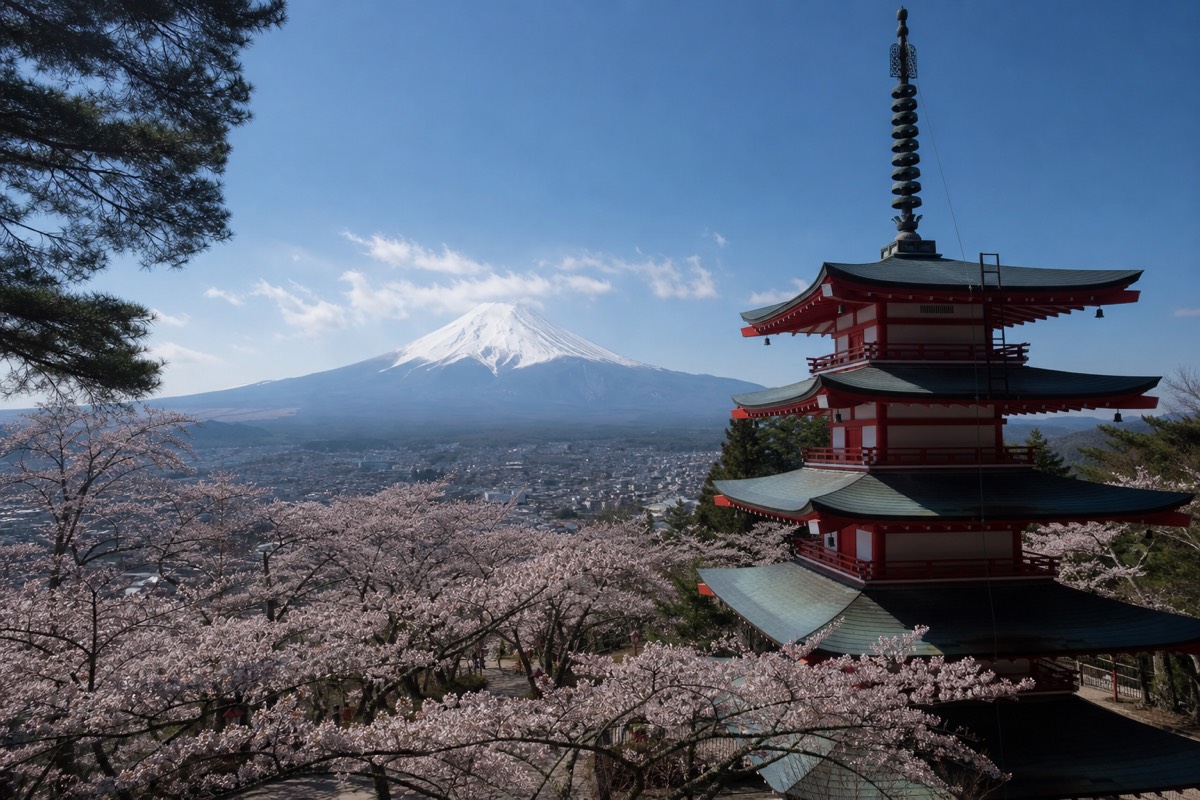
Skip the climb and there is still plenty to do: walk the lava-tube caves and forest trails of Aokigahara at Fuji's base, take in the mountain from the Fuji Five Lakes, photograph it from viewpoints like Chureito Pagoda, and see most of it in a single guided day trip from Tokyo. None of it requires hiking boots, a permit, or the roughly one-day round trip the summit climb takes in season.
Choose a local forest activity or the full Tokyo circuit. Neither is a summit climb; both still involve terrain and access requirements worth checking.
10 hours: A private vehicle links the forest, Narusawa, Fugaku and lakeside stops in one day. English-speaking driver; central Tokyo pickup and return. Entrance fees, food and drinks are extra. Confirm your address and itinerary before booking.
Plan The Forest And Caves From Tokyo · Choose by time and starting pointWalk Aokigahara Forest And Its Lava Caves
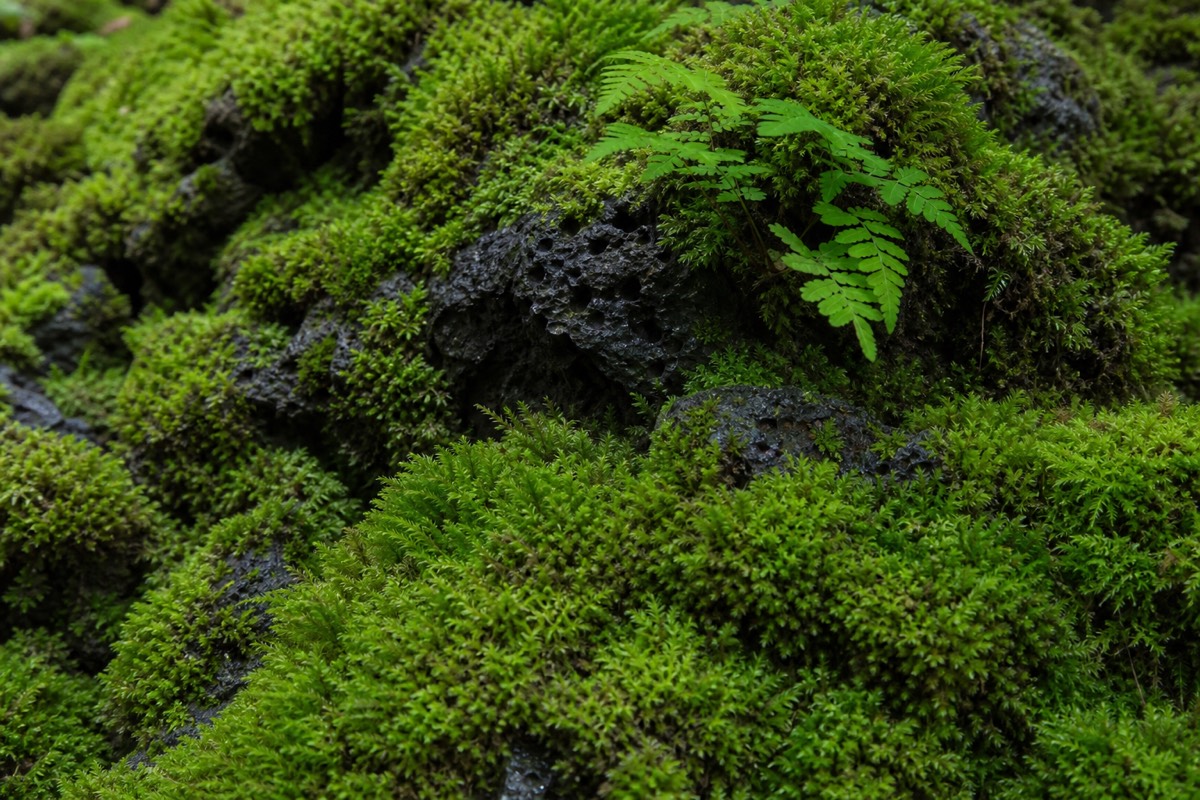
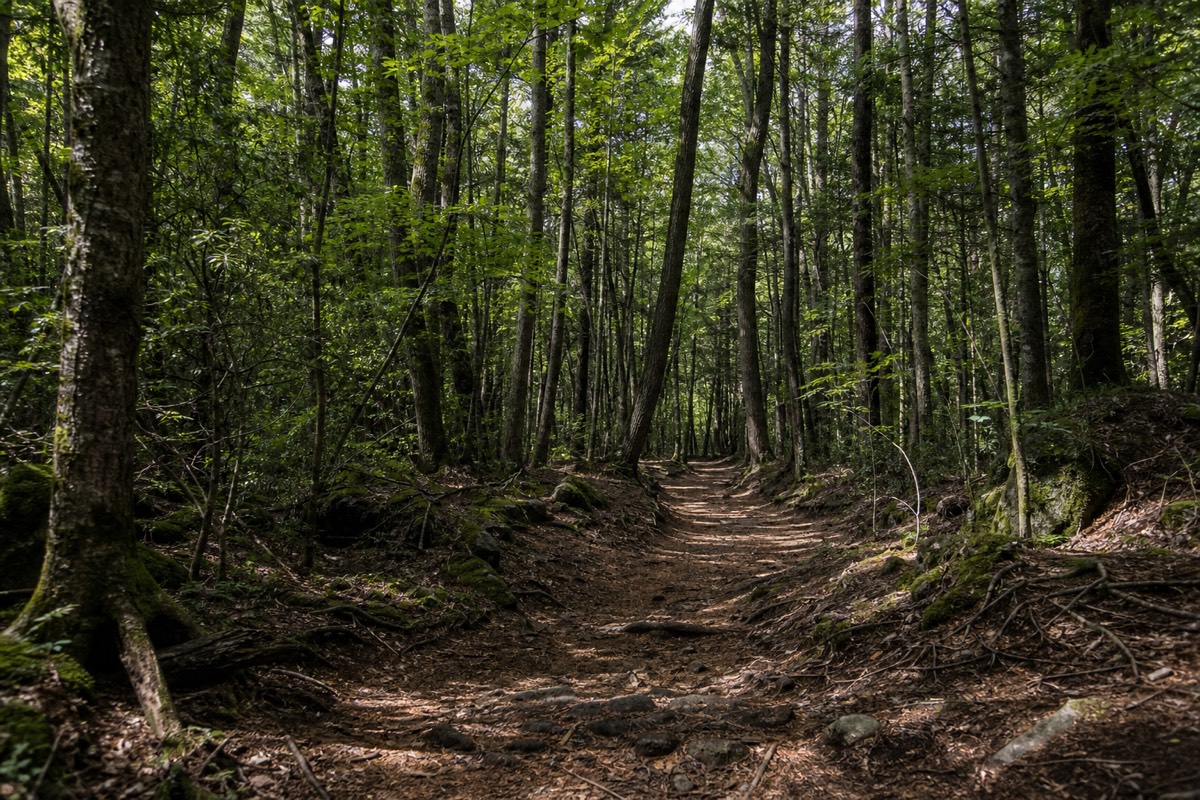
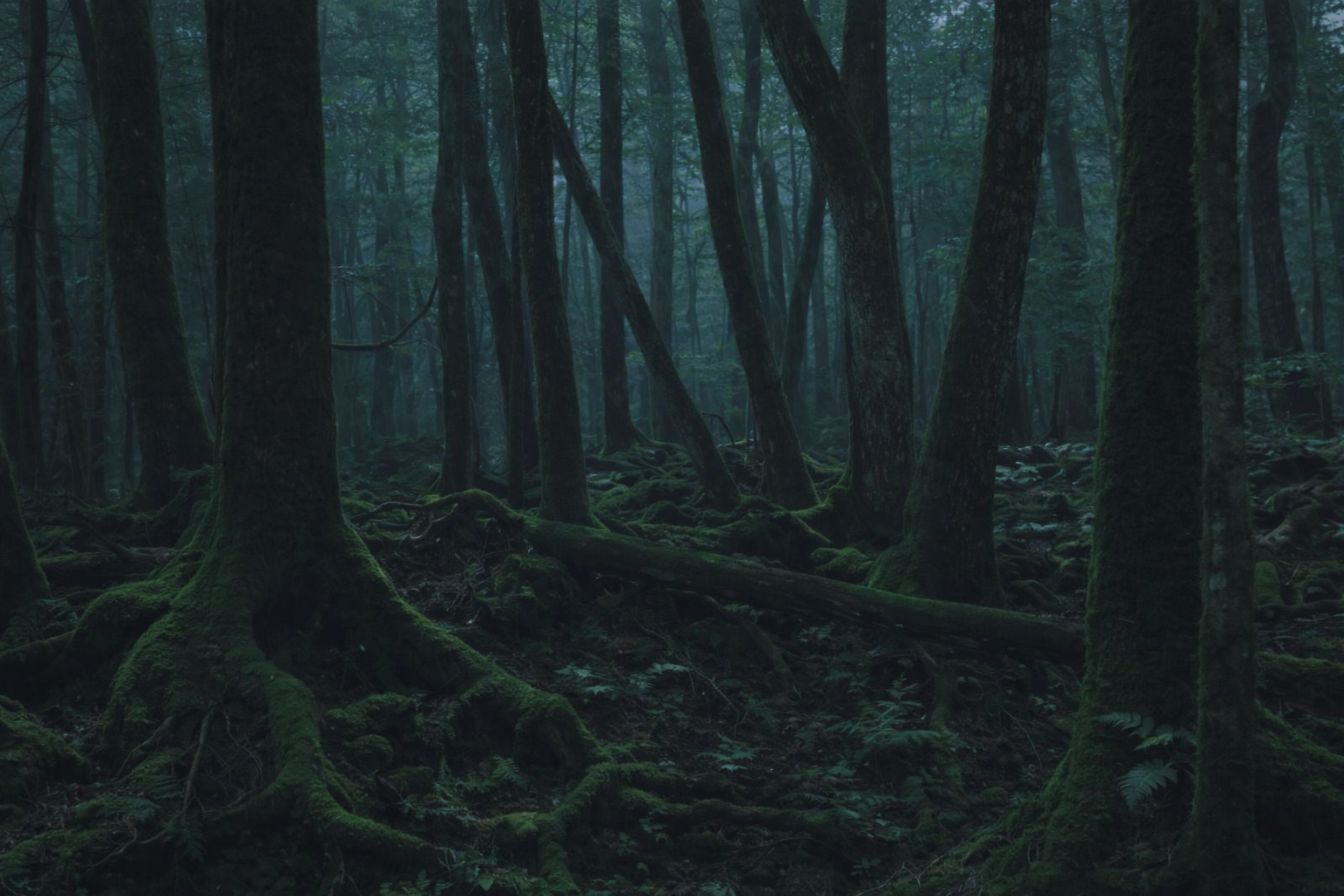
Aokigahara, the forest covering the lava field from Mt. Fuji's 864 CE eruption, sits at the mountain's northwestern base and needs no climbing gear at all, just a comfortable pair of walking shoes. Guided treks through the forest cover its geology and the unusual quiet created by porous lava rock underfoot, where tree roots spread sideways across the hardened surface rather than down into it, and typically combine a walk in on one route with a different route back so you see two sides of the same forest. The area also holds three tourist lava-tube caves, Narusawa Ice Cave, Fugaku Wind Cave, and the Lake Sai (Saiko) Bat Cave, each an easy 20 to 40 minute addition, and the ice cave in particular stays naturally frozen even in summer, which is worth seeing on its own terms.
Because Aokigahara sits well below the summit, on flat, forested lava terrain rather than a mountain trail, none of this asks anything of a visitor beyond ordinary walking fitness. That makes it one of the more accessible ways to spend real time near Mt. Fuji, useful for travelers on a tight schedule, traveling with kids, or simply not interested in a climb.
See Fuji From The Fuji Five Lakes
The five lakes ringing the mountain's northern side, including Kawaguchiko, are the standard base for exploring this side of Fuji without climbing it. Lakeside parks and beaches around Kawaguchiko and, further west, Lake Motosuko give open, unobstructed views back toward the mountain on a clear day, and they double as the departure point most Aokigahara and cave tours use, so a lake stop tends to bookend the rest of the day rather than needing to be planned separately.
Photograph It From Chureito Pagoda
If one image defines "Mt. Fuji without climbing," it is this one: a red five-story pagoda framed against the mountain from Arakurayama Sengen Park near Fujiyoshida, built in 1963 as a peace memorial and reached by a climb of a few hundred stone steps rather than a mountain trail. It is one of the most photographed viewpoints in Japan, especially with cherry blossoms framing the pagoda in spring or fall foliage in November, and on a clear day it delivers the classic pagoda-plus-Fuji composition without any technical hiking at all. It pairs easily with a lake or forest stop earlier or later the same day.
Like any Fuji viewpoint, the payoff depends on the sky cooperating, so treat the climb up as worthwhile for the park and the shrine setting even on a hazy day, with the mountain view as a bonus rather than a guarantee.
Do It All In One Day From Tokyo
None of this requires more than a day trip. Private guided tours from Tokyo commonly combine a lake stop, the forest or caves, and a viewpoint or two into a single 8 to 10 hour outing with pickup included, and some build in extras like a Japanese barbecue lunch at the mountain's base along the way. That is the version of "seeing Mt. Fuji" that suits far more travelers than a summit attempt does, since it needs no permit, no climbing season restrictions, and no overnight hut booking, just a day set aside and a willingness to let the mountain be a backdrop rather than a destination to stand on top of.
Non-climbing Activities At A Glance
| Activity | Time needed | What it needs |
|---|---|---|
| Aokigahara forest trek | 1 to 2 hours | Walking shoes, no gear |
| Narusawa Ice Cave or Fugaku Wind Cave | 20 to 45 minutes each | A ticket, self-serve or guided |
| Fuji Five Lakes viewpoint stop | 30 to 60 minutes | Nothing, drive-up or walk-up |
| Chureito Pagoda | 45 to 90 minutes | A climb of a few hundred steps |
| Full private day trip from Tokyo | 8 to 10 hours | A booked tour with pickup |
Mix and match from that list depending on how much of a day you have. A half-day suits one or two stops close together, like the caves and the forest; a full private day trip is what makes the lakes, the forest, and a viewpoint like Chureito Pagoda fit into one outing without rushing any of them.
Compare Your Whole-Party Costs
Use the same currency, dates, people and inclusions for both totals. Add transport, cave tickets, meals and any extras before comparing.
A difference may buy guiding, equipment or transport. It is not a saving unless both options cover what your party wants.