How To Visit Aokigahara Forest: Guided Vs. Self-Guided
Aokigahara raises a fair question before you book anything: can you just walk in on your own? The honest answer splits the forest into two different places. The marked trails and the two show caves are open to anyone with a ticket, no guide required. The deep, unmarked interior, and the more exclusive cave access some operators sell, are a different matter entirely.
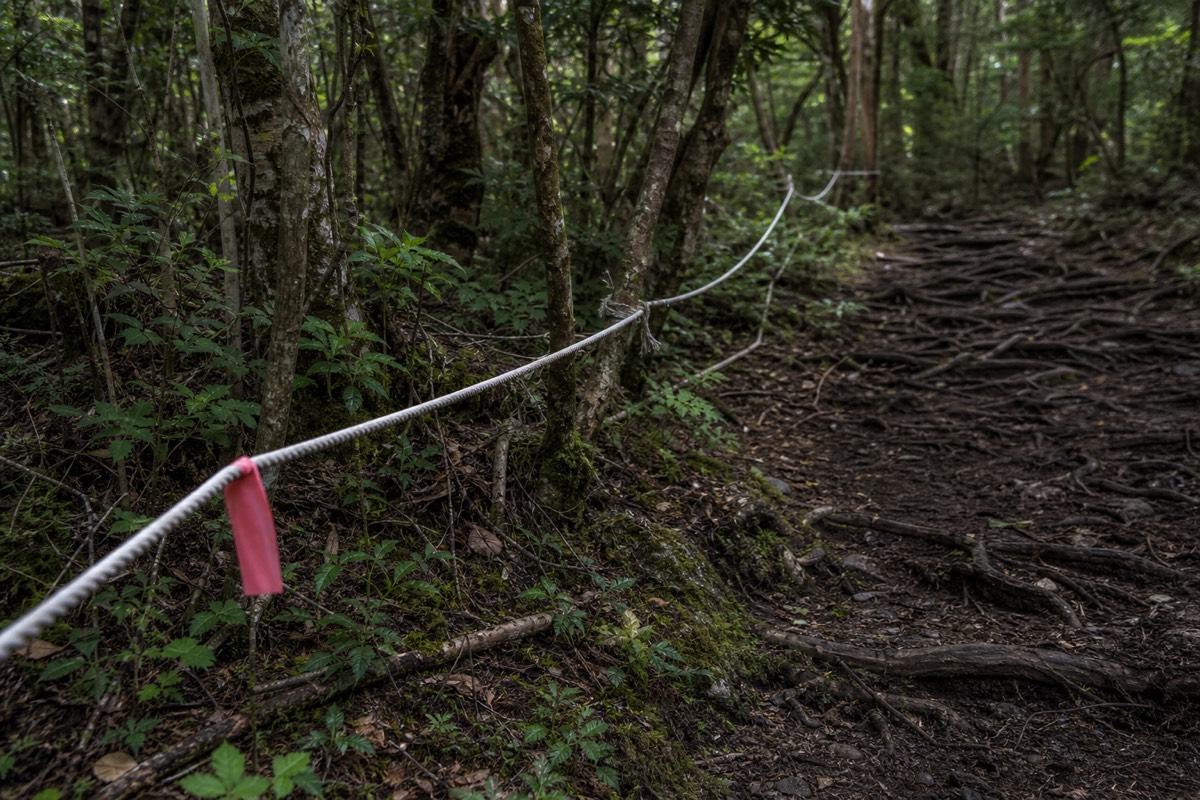
This is one of the most searched practical questions about Aokigahara, and it deserves a straight answer rather than a sales pitch either way. Some of the forest genuinely does not need a guide. Some of it genuinely should not be attempted without one. Here is where that line actually falls.
Keep the free marked-trail option. Pay for interpretation, a separate equipped cave activity, or transport between stops when that solves a real need.
3.5 hours: Geology commentary followed by a quieter stretch beneath the canopy. English guide; meet at NaturaBase opposite Fuji Lake Hotel and return there. Bottled water included; lunch extra.
Walk The Lava Forest With A Guide · Choose by time and starting pointWhat self-guided and guided visits each cover
Based on public access rules at the two show caves and the marked trails, plus what standard guided tours add. Confirm current cave hours and any tour's specific inclusions before booking.
Can You Visit Aokigahara Forest Without A Guide?
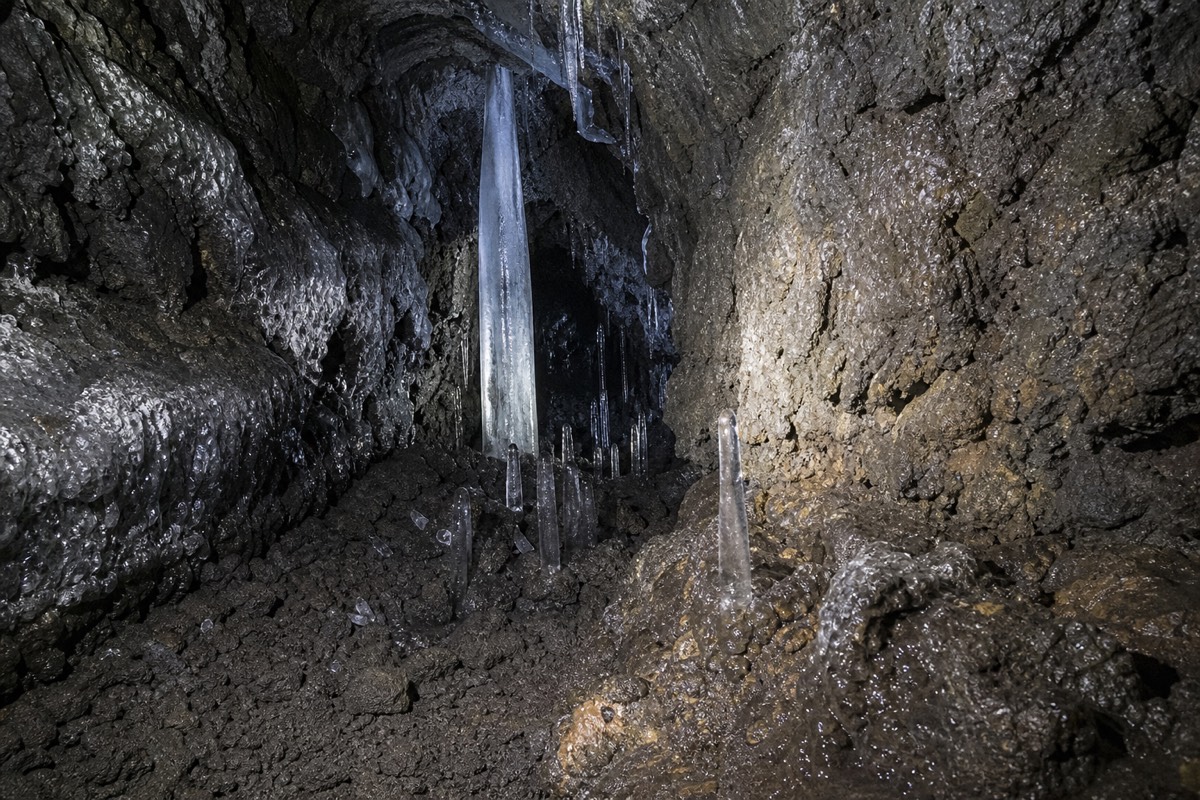
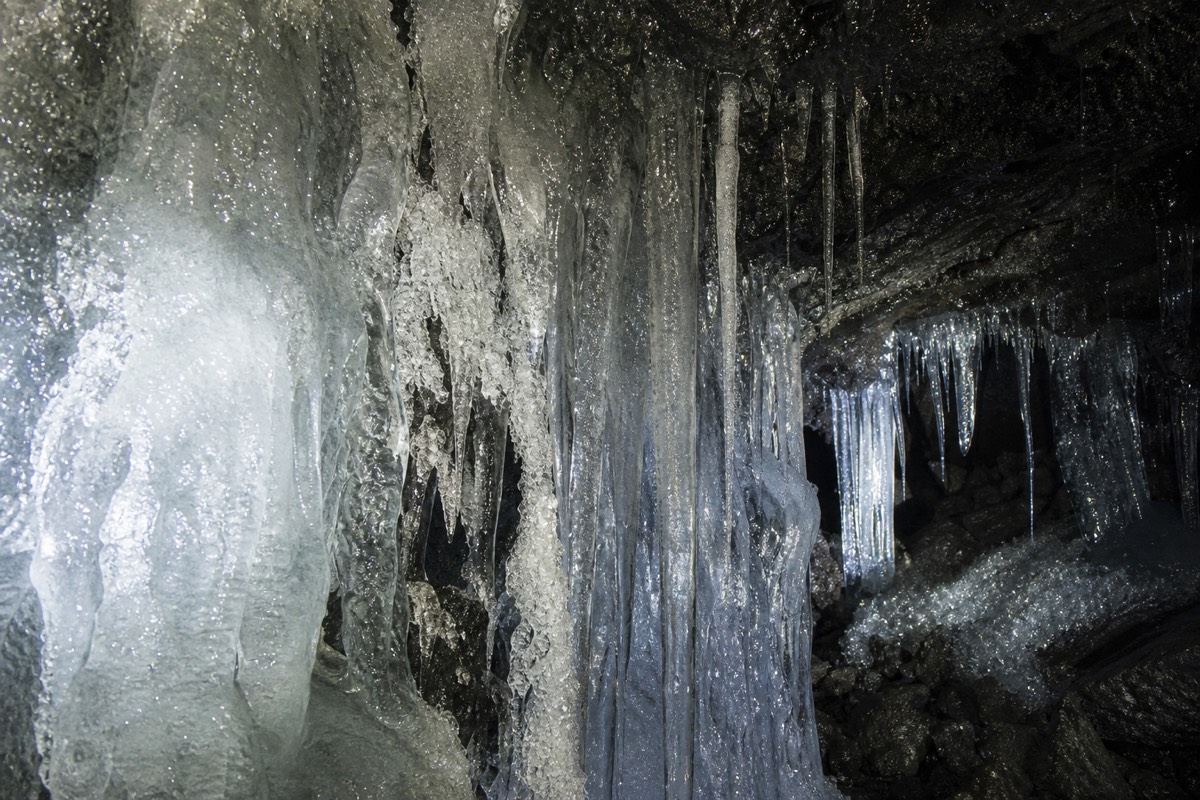
Yes. The marked tourist trails and both major show caves, Narusawa Ice Cave and Fugaku Wind Cave, are open to independent visitors with a paid entrance ticket, no advance booking or guide required. These areas have paved or well-maintained paths, English and Japanese signage, parking, and a steady flow of other visitors during opening hours. Thousands of people walk them independently every year without incident.
What is not open to casual self-guided exploration is the deep, unmarked forest interior beyond those trails. There are no paths there, landmarks are genuinely hard to distinguish from each other, and cell coverage is unreliable. Entrance signs warn against going off-trail alone, and that warning is about disorientation risk in a dense, visually repetitive forest, not folklore.
What Can You Actually Do Self-Guided?
On your own, with tickets bought on-site, you can walk the marked paths around the lakes-side edge of the forest and enter both Narusawa Ice Cave and Fugaku Wind Cave, which sit about two minutes apart by car and are within easy walking distance of each other. Entrance to each cave runs around ¥350 for adults, with a combined ticket covering both typically available for less than paying separately. Both caves are open daily, roughly 9:00 AM to 5:00 PM, though hours can shift seasonally, so check the current schedule before you go.
Getting there independently means reaching Kawaguchiko Station first (by train from Tokyo via Otsuki, or by road) and then a bus, taxi or rental car for the final stretch to the cave entrances, since there is no direct rail line into the forest itself. This is the main practical friction for self-guided visitors: the caves themselves need no guide, but reaching them without a car takes some planning.
What Does A Guided Tour Actually Add?
A guide adds three things a self-guided cave-and-trail visit cannot: safety and narration on the surface trails, bundled transport from Tokyo or Kawaguchiko, and, on some tours, access to lava-tube sections beyond the standard public route through the caves. None of that means the self-guided option is a lesser visit, only that it covers a smaller slice of what is available.
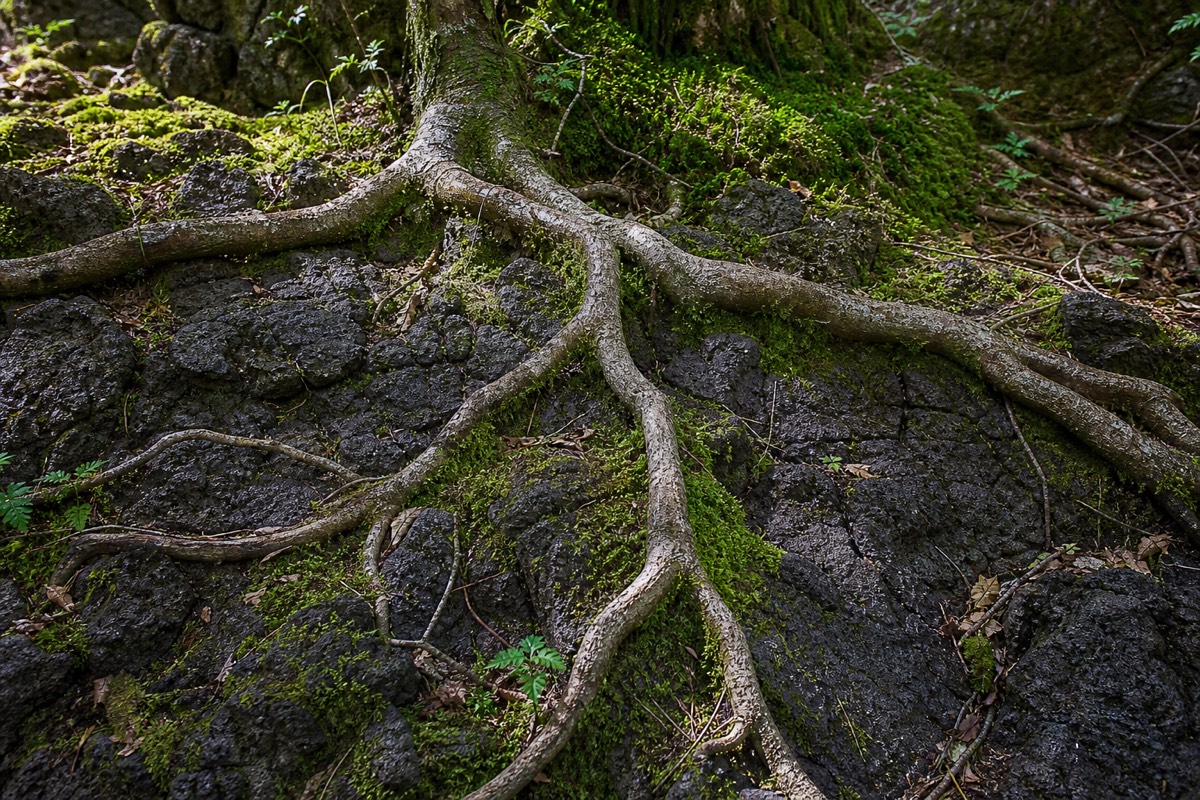
The transport piece matters more than it sounds. Without a car, connecting Kawaguchiko Station to the forest entrances on your own means working out bus timetables or arranging a taxi both ways, whereas a guided tour folds pickup, the drive out and the return into a single booking. On the content side, a guide walking the marked trails with you can explain what you are actually looking at: how the lava field formed, why the roots grow the way they do, what is native to the forest versus introduced. None of that is available from signage alone. And a handful of operators sell entry to cave sections that go beyond what a self-ticketed visitor can reach on the public route, framed as exclusive or permit-based access; if that is what you are after, read the tour description carefully, since not every "ice cave tour" includes it.
What Does A Guided Day Actually Look Like?
A standard guided visit runs three to four hours door to door and typically follows the same shape: a local Kawaguchiko meeting or pickup point, a drive to the forest, a walk on the marked trails with a guide narrating the geology and ecology, a stop at one or more caves, and a return transfer. Private tours that bundle Aokigahara into a wider Mt. Fuji day extend that to closer to ten hours and add lake viewpoints or other stops around the itinerary.
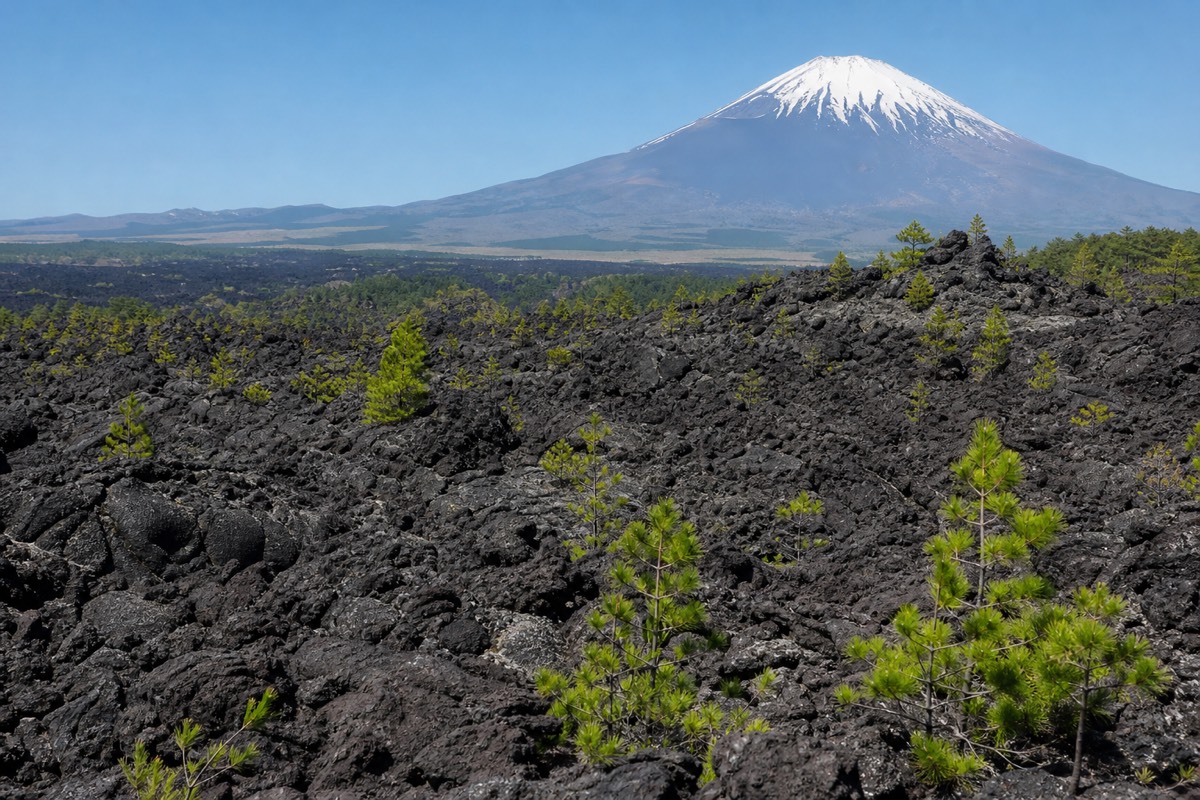
What is not typically included, even on a guided tour, is access to the deep, unmarked forest interior. Reputable operators stay on designated paths for the same safety reasons that apply to independent visitors; a guide reduces the risk of getting turned around on the marked trails and adds context you would not get from signage, but it does not turn the off-limits interior into a safe destination. The exception is the small number of tours that specifically sell entry to additional lava-tube sections through their own permits, which is a different, narrower category of access than "walking off-trail."
The Real Risk Of Going Off-Trail
The danger in Aokigahara's unmarked interior is disorientation, not anything supernatural: dense, visually repetitive tree cover with no natural landmarks, patchy cell coverage, and terrain that looks the same in every direction once you are a short distance off the path. This is a straightforward wilderness-navigation risk, the same category of danger you would find in any large, dense forest without trail markers, and it is exactly why entrance signage and park authorities discourage solo off-trail exploration.
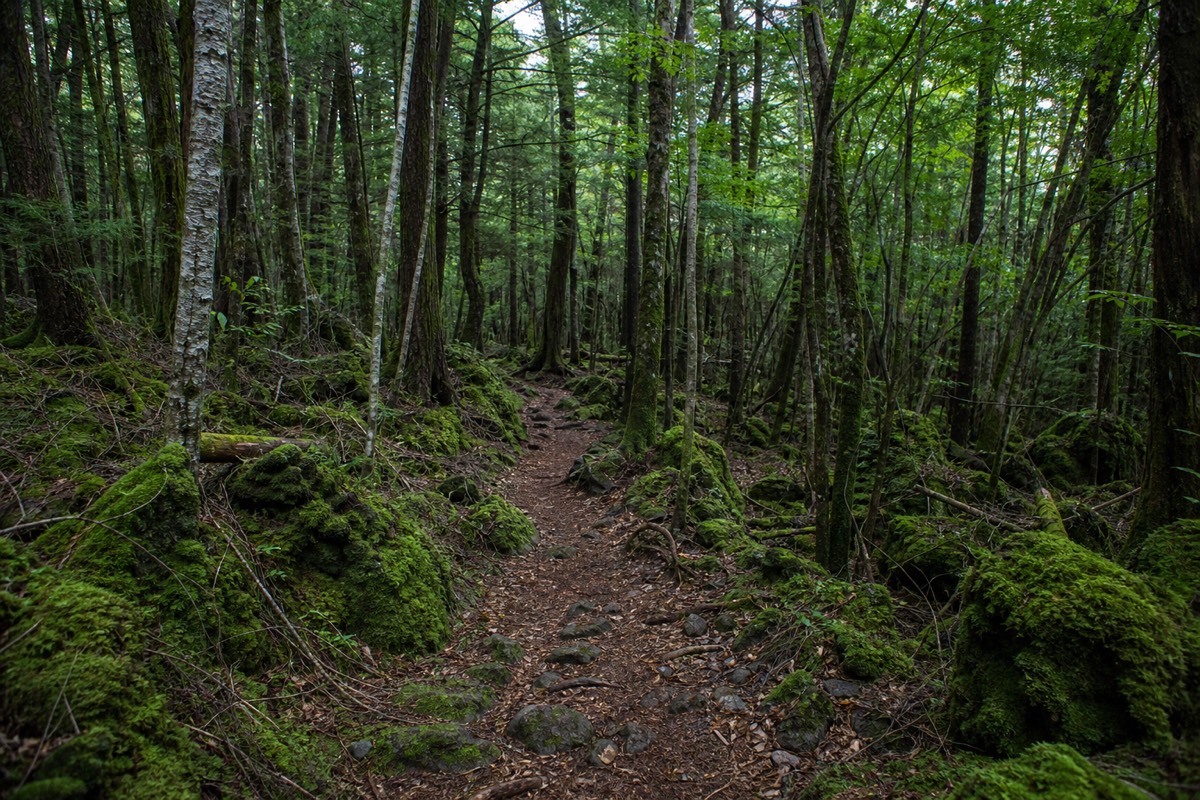
The marked trails and both show caves do not carry this risk, since they are signed, mapped and walked by other visitors throughout the day. The distinction matters because it is easy to conflate "the forest is dangerous" with "the tourist areas are dangerous," and the data and the signage both say those are two different things.
Cost: Self-Guided Vs Guided
A self-guided cave visit costs a few hundred yen in entrance fees plus whatever it costs you to reach Kawaguchiko and then the forest; a guided tour costs more per person but bundles transport, tickets and guiding into a single price, which is where most of the value comparison actually sits. Self-guided is cheaper on paper, but only if you already have a car or are comfortable arranging local buses and taxis on the day. Once you price in a rental car, fuel, tolls and parking, or the time it takes to work out unfamiliar bus routes, the gap between the two options narrows considerably for visitors without their own transport.
| Self-guided | Guided tour | |
|---|---|---|
| What you pay for | Cave entrance tickets only (transport arranged separately) | One bundled price covering transport, guiding and usually cave entry |
| Cave entrance | ~¥350 per cave, ~¥600 combined | Often included in the tour price |
| Transport | Your own arrangement: car, bus, taxi | Included from Tokyo or Kawaguchiko |
| Best value for | Travellers who already have a car in the area | Travellers without a car, or short on planning time |
Guided Vs Self-Guided: Side By Side
| Self-guided | Guided tour | |
|---|---|---|
| Marked trails | Open to everyone | Included, with narration |
| Narusawa Ice Cave / Fugaku Wind Cave | Ticketed entry, no guide needed | Included on most tours |
| Deep forest interior | Not advised, unmarked and easy to get lost in | Not standard on most tours either |
| Lava-tube sections beyond the public route | Not accessible | Available on select operator-permit tours |
| Transport from Tokyo/Kawaguchiko | You arrange it yourself | Usually bundled into the price |
| Language support | English signage only | English-speaking guide on most tours |
| Best for | Travellers with a car, on a budget, comfortable planning their own route | Travellers without a car, first-time visitors, anyone wanting the exclusive cave access or the geology explained |
Who Should Not Go Self-Guided?
Anyone without a rental car or private transport who wants to reach the forest efficiently, anyone hoping to explore beyond the marked trails, and anyone specifically after the exclusive lava-tube access some operators sell should book a guided tour rather than attempt a self-guided day. Solo travellers who feel drawn to wander off the marked path for a better photo are exactly who the entrance warnings are aimed at: it is precisely the "just a bit further" instinct that causes the disorientation cases the forest is known for.
Families travelling with young children or anyone with mobility limitations may also prefer a guided visit simply for the logistics: cave floors are uneven and sometimes wet, and a guide can pace the walk appropriately rather than leaving you to judge it cold.
What About The Ice Cave Specifically?
There are effectively two different "ice cave" experiences on offer around Aokigahara: the public Narusawa Ice Cave, which anyone can enter with a same-day ticket, and operator-run ice-cave tours that market entry into a separate, less accessible lava tube using special permits. They are not interchangeable, and the marketing language around them can blur the distinction.
If your plan is simply to see ice formations inside a lava tube, the public Narusawa Ice Cave delivers that without any need to book ahead. If you are drawn to a tour description that promises "exclusive access" or a cave "secluded from the standard tourist trails," that is a genuinely different product, usually smaller-group, permit-based, and priced accordingly; check the specific tour's current listing for exactly what it includes before assuming it is the same as the show cave down the road.
A Word On Aokigahara's Reputation
Aokigahara does carry a real reputation tied to a difficult chapter of its history, and Japan's own tourism authorities do not pretend otherwise, but the reputation looms far larger online than it does on the ground, where the forest functions as an ordinary, ticketed part of the national park system with ordinary day-trippers walking it every day.
So Which Should You Choose?
If you have a car, some flexibility in your schedule, and just want to see the show caves and walk the marked trails, self-guided works fine and costs a fraction of a tour. If you are travelling without a car, want the geology and history explained properly, or specifically want access to cave sections beyond the public route, book a guided tour and let it handle the transport and the logistics. Most visitors end up somewhere in between: a self-guided cave stop paired with a short, guided trekking tour for the parts of the forest that genuinely benefit from a local guide's knowledge.
Frequently Asked Questions
Can You Visit The Ice Cave Without A Tour?
Yes, if you mean the public Narusawa Ice Cave: it is open daily with a same-day ticket, no guide or advance booking required. Some operators separately sell entry to a different, more exclusive lava-tube cave, which is a different product and genuinely does require booking a tour.
Is It Safe To Walk Aokigahara's Trails Alone?
Yes, on the marked trails. They are well-signed, regularly walked and considered low-risk. The safety concern is specific to the unmarked, off-trail interior, not the tourist-accessible paths.
Do You Need A Permit To Enter Aokigahara Forest?
No permit is needed for the marked trails or the two ticketed show caves. Some tours mention special permits for access to additional cave sections beyond the standard public route; that applies to those specific products, not to visiting the forest itself.
How Much Does Entry To The Caves Cost?
Around ¥350 per adult for each show cave, with a combined ticket for both typically available at a small discount over paying separately. Confirm the current price when you go, since fees can change.
Compare Your Whole-Party Costs
Use the same currency, dates, people and inclusions for both totals. Add transport, cave tickets, meals and any extras before comparing.
A difference may buy guiding, equipment or transport. It is not a saving unless both options cover what your party wants.