Is Aokigahara Forest Safe To Visit? An Honest Guide
Aokigahara's association with dark, sensational stories is real and well documented by outside media, but, as Japan's own tourism authorities frame it, considerably overstated next to what a guided daytime visit is actually like. The rest of this guide covers the practical safety questions that actually matter: trails, terrain, phone signal, and wildlife.
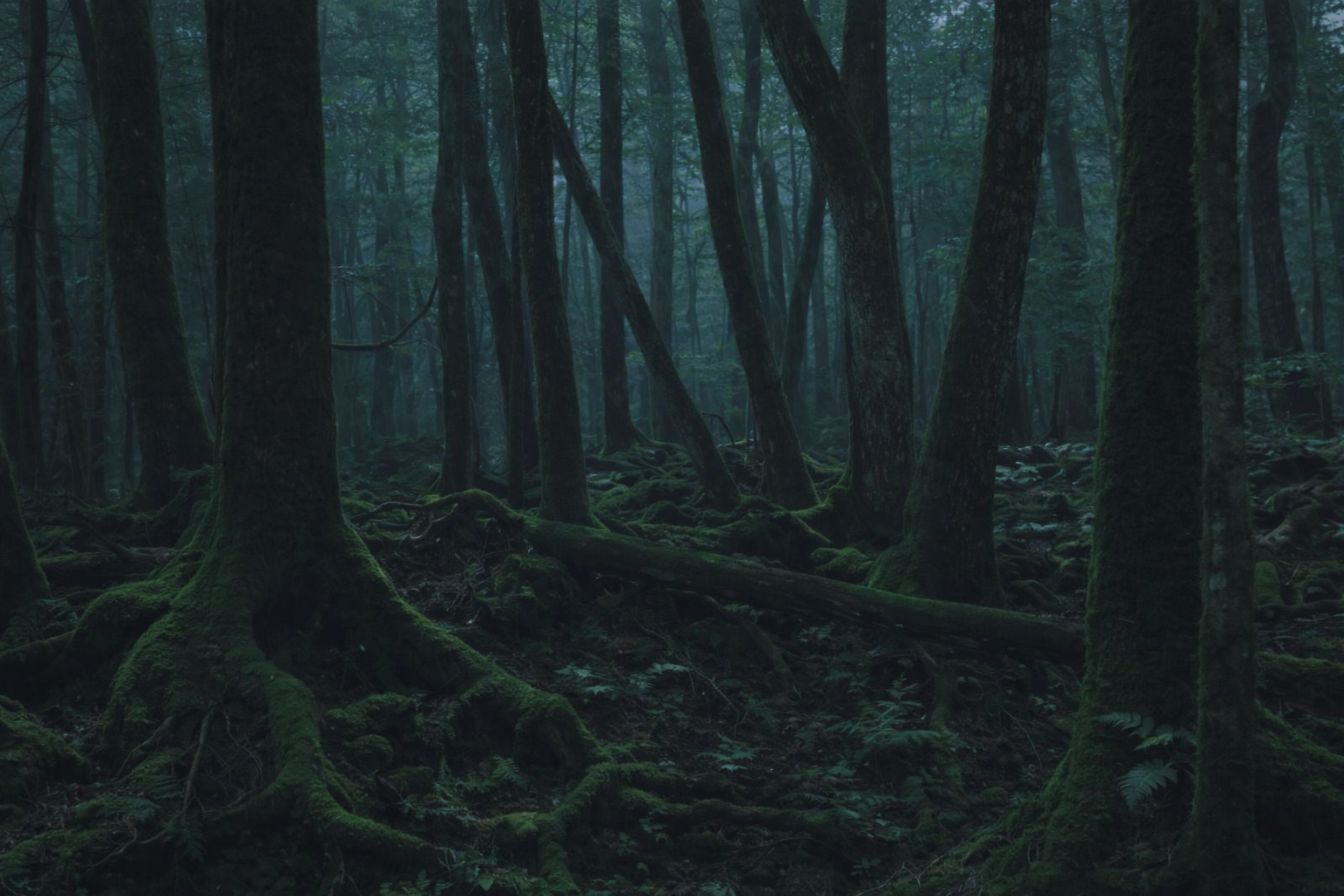
Search "is Aokigahara safe" and you'll find the same pattern repeated across forums and review sites: travelers who visited expecting something unsettling and came back describing an ordinary, pleasant forest walk. What follows is the practical version of the question: what actually makes a visit safe or not, and what a guide changes.
A guide adds route knowledge and interpretation. It does not remove uneven ground or make every activity suitable for every visitor.
3.5 hours: Geology commentary followed by a quieter stretch beneath the canopy. English guide; meet at NaturaBase opposite Fuji Lake Hotel and return there. Bottled water included; lunch extra.
Walk The Lava Forest With A Guide · Choose by time and starting pointIs It Safe To Visit Aokigahara Forest?
Yes, for the tourist-accessible areas: the main trails, the entrances near Narusawa Ice Cave and Fugaku Wind Cave, and any guided walk stay on marked paths that are well signed, regularly used, and no more hazardous than a typical forest hike anywhere else. The real safety considerations are ordinary ones, footing on uneven lava rock, weather, and staying oriented, not anything supernatural.
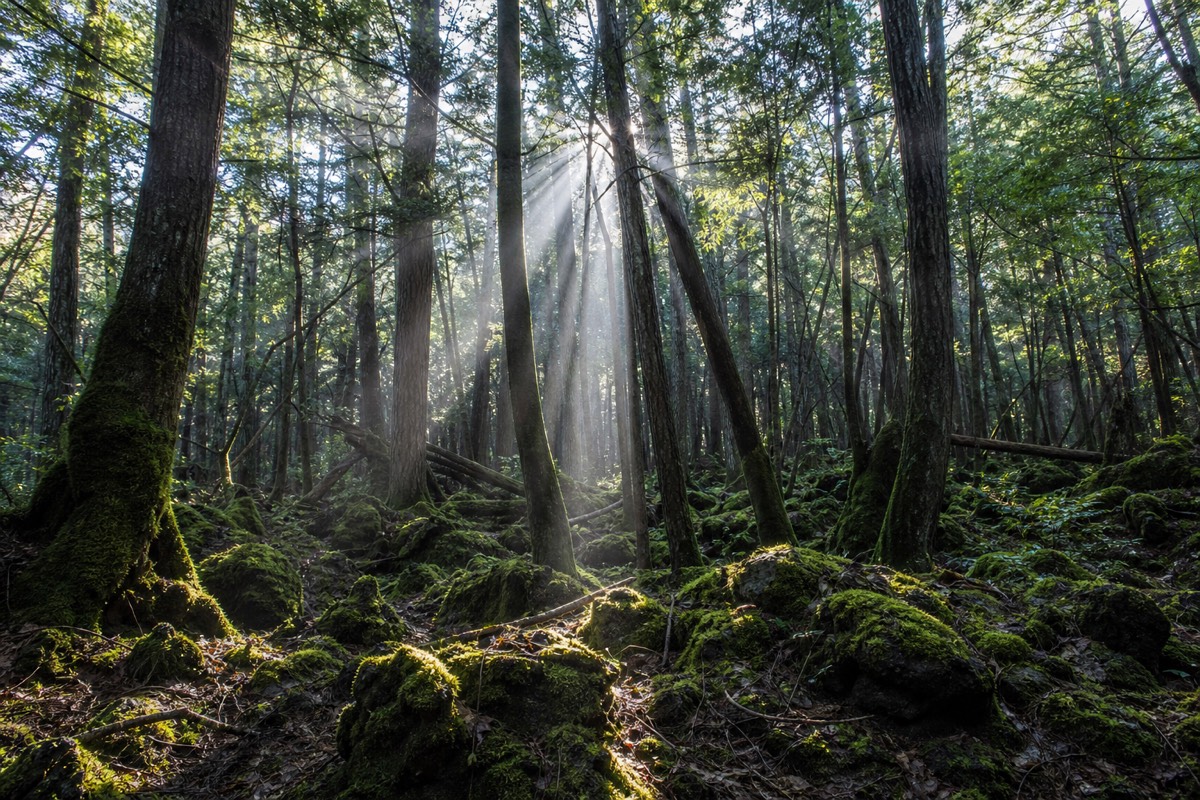
Thousands of visitors walk these marked areas every year without incident. The forest's caution signs, which do exist at trail entrances, are aimed at discouraging people from leaving the marked paths and heading into the dense, unmarked interior, not at warning people away from the tourist areas themselves.
Stay On The Marked Trails: The Single Most Important Rule
The one rule that matters more than any other in Aokigahara is simple: stay on the marked, signed trails. The forest's terrain looks strikingly uniform in every direction, dense trees, moss-covered lava rock, few distinguishing landmarks, which makes it genuinely easy to lose your bearings if you step off the path. This is a navigational fact about the terrain, not a warning designed to unsettle you.
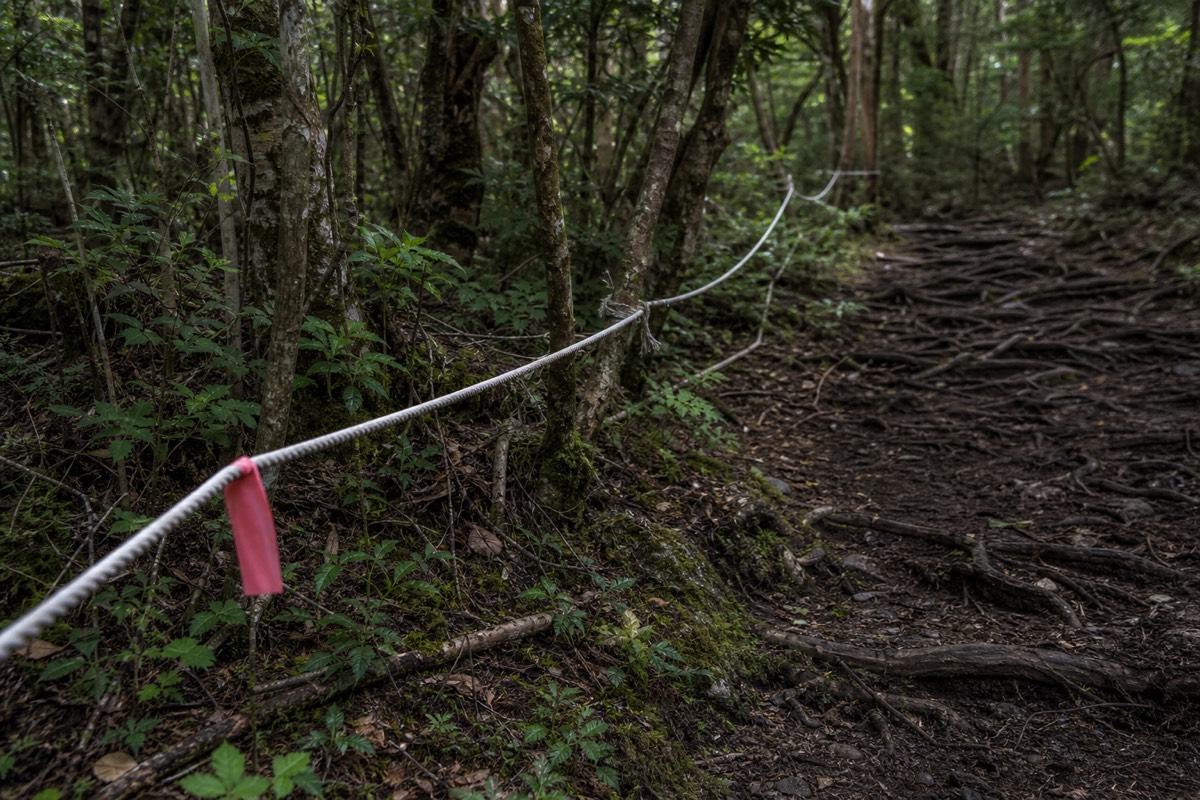
Marked trails use rope guides, colored tape and posted signage specifically because the forest doesn't offer the natural landmarks, a distant peak, a change in vegetation, a stream, that most hikers unconsciously use to orient themselves elsewhere. Guides on organized walks stay on these marked routes as a matter of course, which is a large part of why guided visits carry essentially none of the disorientation risk that solo off-trail wandering does.
Does Your Phone Actually Work In There?
Cell signal is genuinely unreliable in parts of Aokigahara, weak or absent in stretches of the deeper forest, which is a real, checkable fact and one of the more practical safety considerations for anyone heading off the main tourist loop. It is not a myth built for atmosphere; it's a real coverage gap, and the sensible response is straightforward: download offline maps before you go, tell someone your planned route and return time, and treat the marked-trail-only rule as doubly important precisely because you may not be able to call for help everywhere.
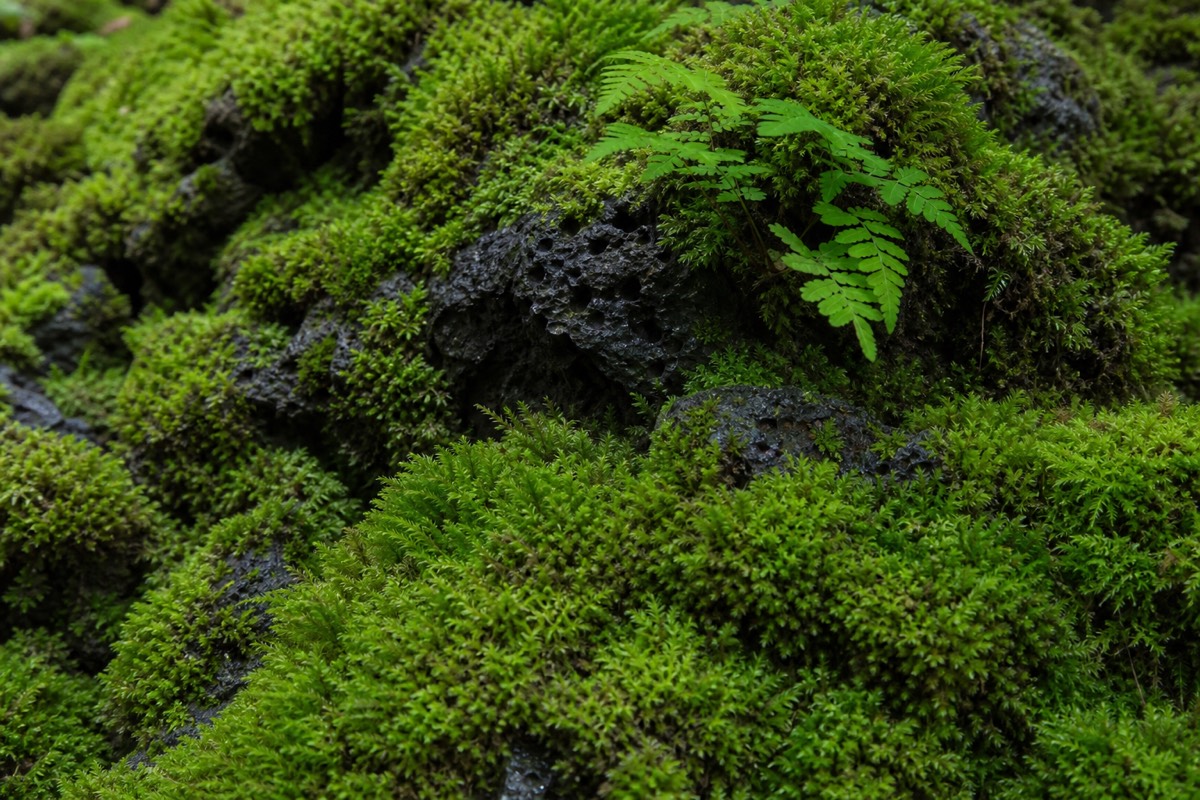
One related claim is worth correcting directly, since it circulates constantly: the idea that magnetic lava rock disables compasses throughout the forest is an exaggeration. The volcanic rock does contain magnetite and can pull a compass needle slightly if the needle is held flat directly against the rock, but a compass held normally functions as expected, and GPS devices work normally too. The forest's real navigation challenge is the visual uniformity of the terrain, not magnetic interference.
Wildlife: Is There Anything To Actually Watch For?
Yes. Asiatic black bears live in the wider Mount Fuji area of Yamanashi Prefecture, including forested land around Fujikawaguchiko and Fujiyoshida near Aokigahara, and sightings are reported most years in these towns. Encounters on the busy, marked tourist trails are rare, but this is real regional wildlife, not an invented hazard.
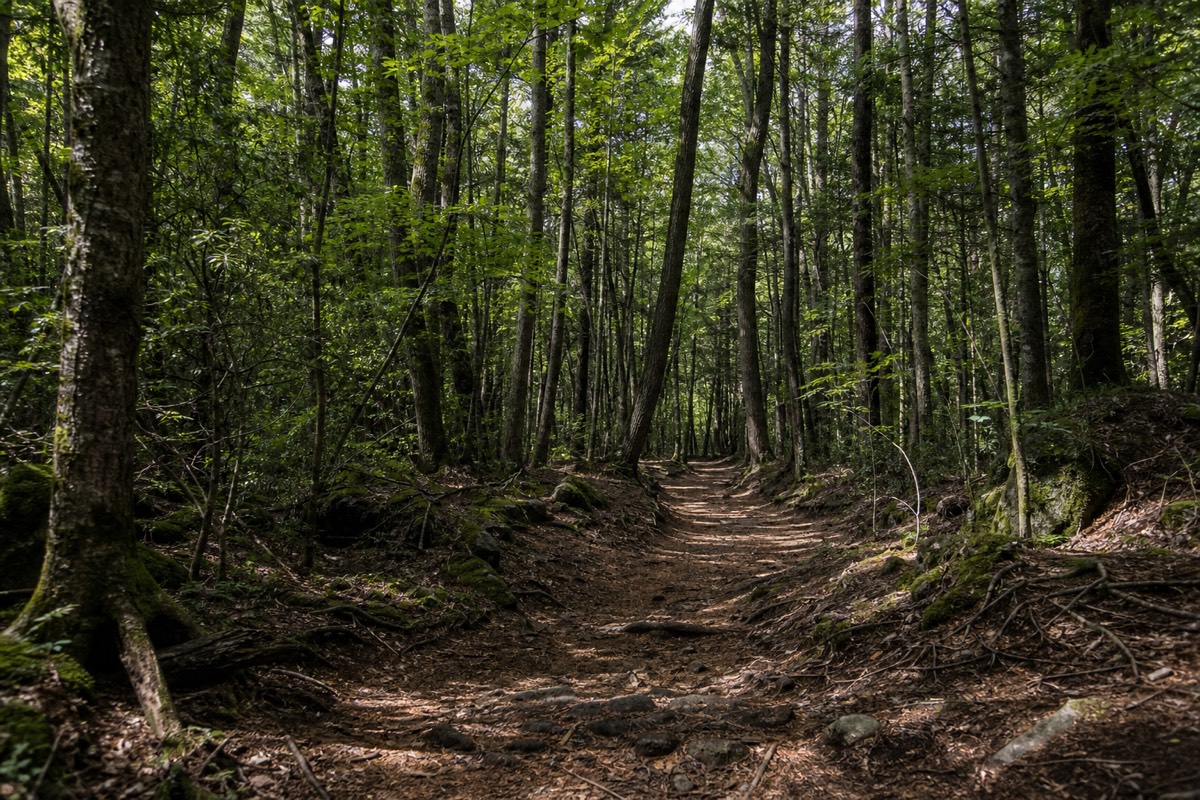
Standard forest precautions apply and are worth taking seriously rather than dismissing: bear bells or making noise on quieter stretches of trail, staying with a group, and following any posted advisories at trail entrances. Guided tours in the area are generally well practiced in this, since local guides work the same trails regularly and know current conditions. Beyond bears, the forest also hosts a resident bat population, most visibly at the Lake Saiko Bat Cave, along with foxes, squirrels and the Japanese serow, none of which present a meaningful hazard to a daytime visitor on marked trails.
Footing, Weather And What To Actually Wear
The forest floor is uneven lava rock covered in moss and tree roots, which gets slick when wet and demands real attention underfoot even on an easy, well-marked trail. Sturdy closed shoes with good grip matter more here than in most casual forest walks.
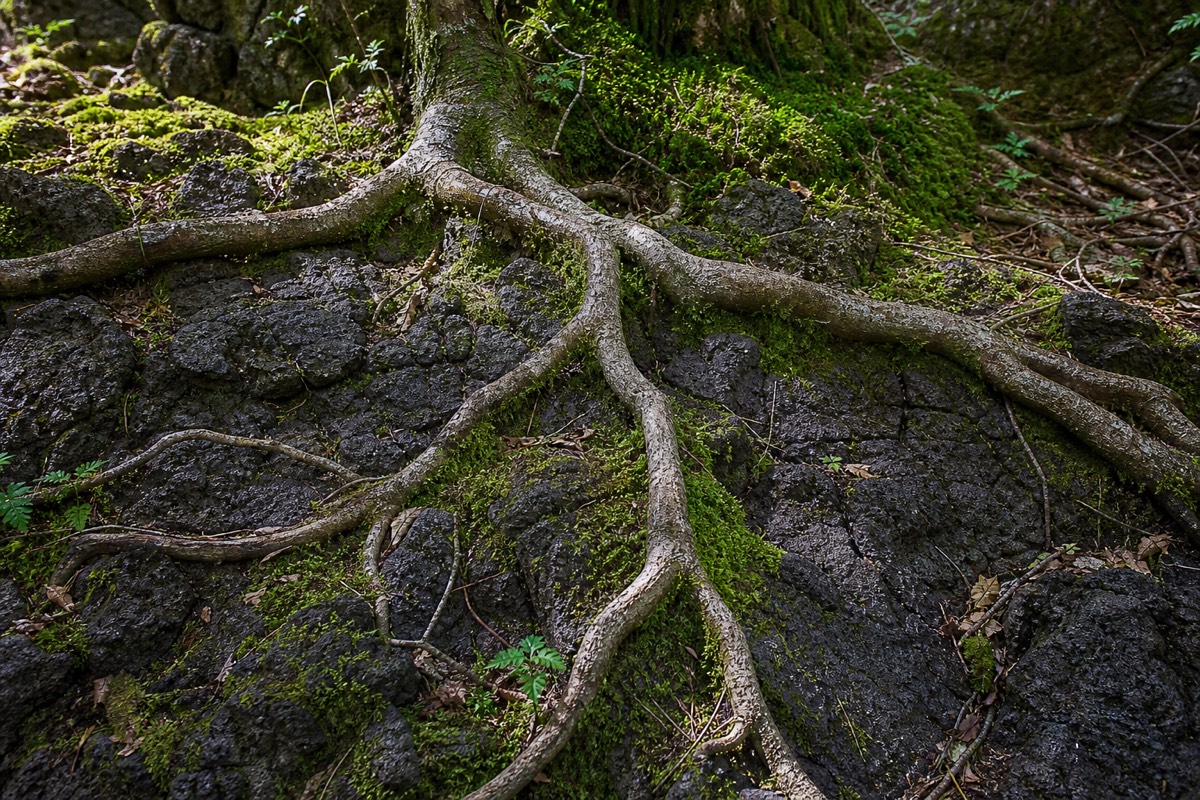
Rain and recent rainfall are the main variable: dry conditions make the marked trails a straightforward, moderate walk, while wet moss and rock turn the same path noticeably more slippery. The lava tube caves add a separate consideration, since Fugaku Wind Cave holds a near-constant temperature around 3°C year-round and Narusawa Ice Cave stays cold enough to keep ice through summer, so a light jacket is worth carrying regardless of the season outside, and cave floors can be uneven and slick underfoot too.
What Does A Guide Actually Add, Beyond Company?
A guide adds route knowledge and explanations of the forest. Public Narusawa and Fugaku visits use ordinary admission tickets; special-access cave excursions are separate products.
On navigation, a local guide who works these trails regularly knows the route, current trail conditions, and where the marked path actually goes, which matters more in a visually uniform forest than in most other hiking environments. On access, entry to sites like Narusawa Ice Cave and Fugaku Wind Cave, and the deeper trekking routes some tours offer, is arranged through permits and local partnerships that an independent visitor generally can't replicate on a walk-up basis. Put together, a guided visit removes the two genuine friction points of an Aokigahara trip, getting lost and getting access, while leaving the actual experience, a quiet, moss-covered forest on old lava rock, exactly as it is.
If You Feel Lost Or Need Help
If you ever lose sight of the marked trail, the correct move is to stop immediately and retrace your last known steps back to it rather than continuing forward hoping to reconnect with a path; given patchy cell coverage in parts of the forest, it's worth telling someone your planned route and expected return time before you set out, whether that's a companion, your accommodation, or a guide's check-in system. This is standard backcountry practice applied to a forest where the usual visual landmarks are scarce, not a special Aokigahara-only precaution.
Guided tours build this in structurally: groups stay together, guides know the trail network and current conditions, and many run a headcount or check-in system through the walk, particularly for the cave sections where a headlamp and a tighter group matter more. If you're visiting independently on the marked tourist trails near the cave entrances, sticking to those signed paths and carrying a charged phone with offline maps covers the realistic scenarios you're likely to face.
Quick Safety Checklist
| Item | Why it matters here |
|---|---|
| Stay on marked/signed trails | The forest's visual uniformity makes off-trail navigation genuinely difficult |
| Offline maps downloaded in advance | Cell signal is patchy or absent in parts of the forest |
| Sturdy, closed shoes with grip | Uneven lava rock underfoot, slicker when wet |
| Light jacket, even in summer | The lava-tube caves hold a near-constant chill year-round |
| Tell someone your route and return time | Standard practice anywhere signal is unreliable |
| Basic noise/awareness on quiet stretches | Asiatic black bears live in the wider Mount Fuji area |
The Short Version
Stay on marked trails, expect patchy phone signal and plan around it, take normal wildlife precautions in a real Japanese mountain forest, wear shoes with grip, and bring a light layer for the caves. None of that is unique to Aokigahara; it's what sensible forest-trail safety looks like anywhere, applied to a specific, well-documented terrain. A guided walk handles all of it for you and adds the geology, ecology and cave access that make the visit worth the trip in the first place.