Is Aokigahara Forest Haunted?
The question comes up more than any other about this forest. The honest answer is short, and the interesting part is what people are actually noticing when they ask it.
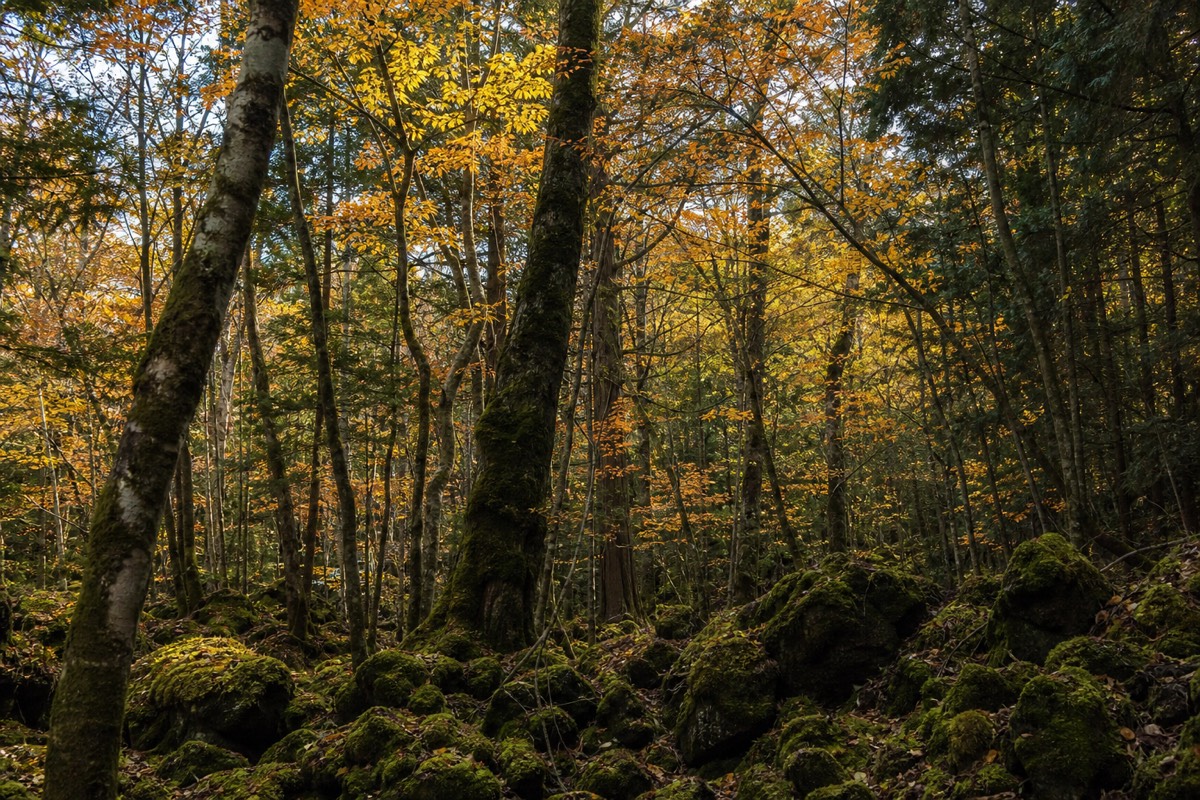
No. There is no evidence of anything supernatural in Aokigahara, and the specific things visitors report have concrete, checkable causes. The quiet is geological, because porous lava absorbs sound. The disorientation comes from terrain that looks nearly identical in every direction under a dense canopy. The ghost stories are folklore, and the forest's modern reputation is much younger than most people assume.
If the real landscape now interests you, the guided nature walk explains what you are seeing and leaves time for a quieter stretch.
3.5 hours: Geology commentary followed by a quieter stretch beneath the canopy. English guide; meet at NaturaBase opposite Fuji Lake Hotel and return there. Bottled water included; lunch extra.
Walk The Lava Forest With A Guide · Choose by time and starting pointWhy Is The Forest So Quiet?
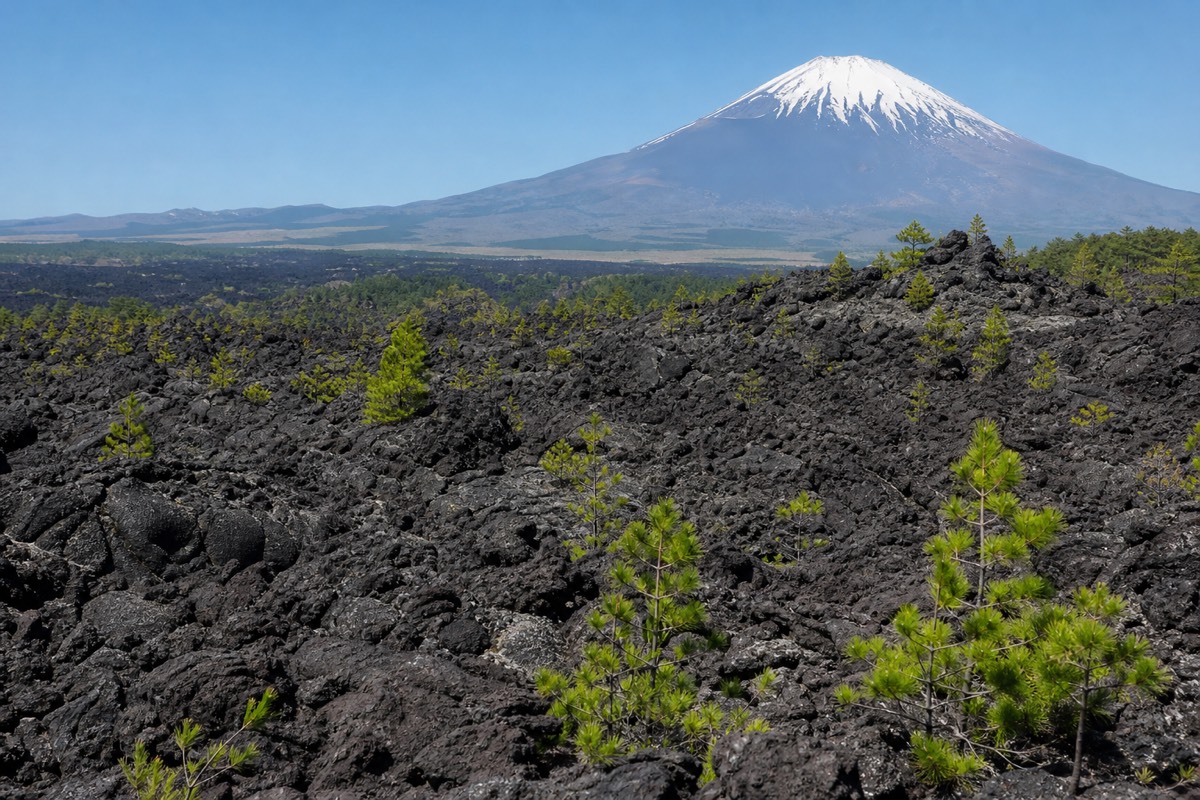
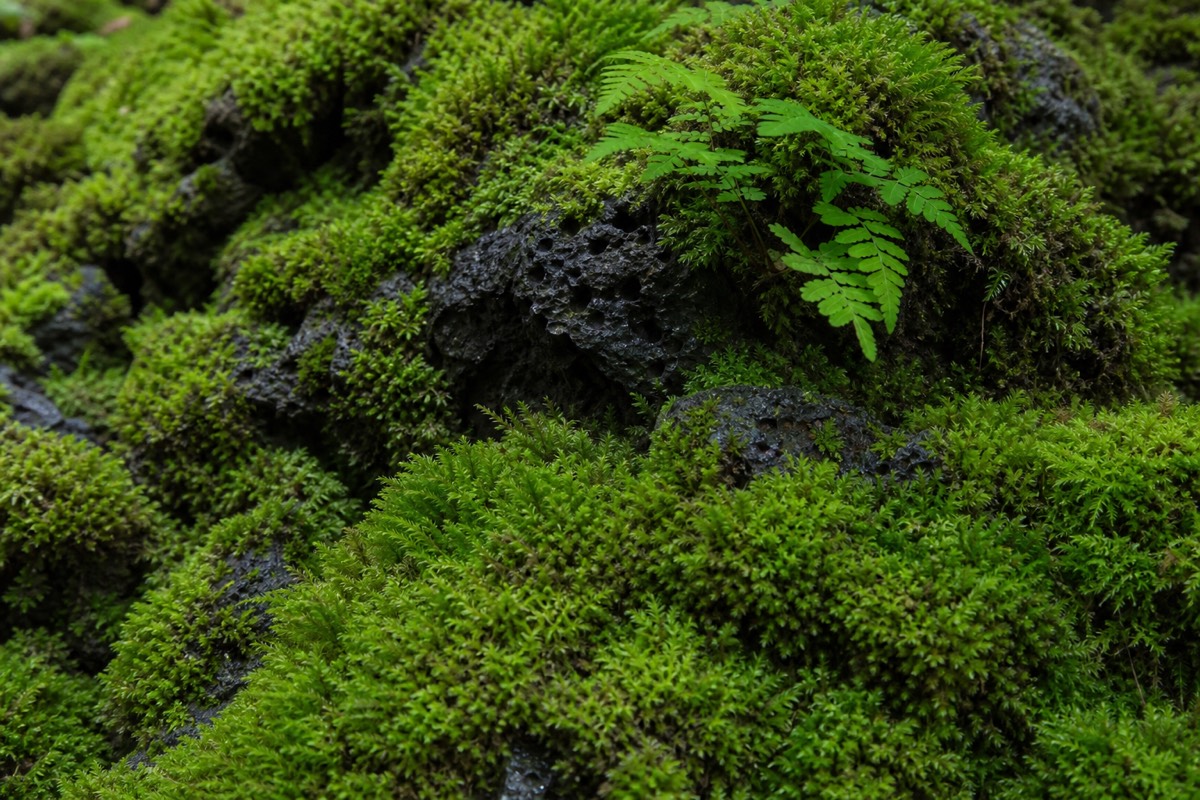
Because of what it grew on. Aokigahara sits on about 30 square kilometres of hardened lava from Mt. Fuji's 864 CE eruption, and porous volcanic rock is an absorbent surface rather than a reflective one. Sound that would bounce back to you off open ground or a hard slope gets soaked up instead. Add a thick layer of moss over the rock and a dense mixed canopy overhead, and you get a forest with unusually few echoes.
Yamanashi Prefecture's own tourism guidance makes the point directly: the heavy silence sits oddly against the amount of animal life actually present, since deer, foxes, wild rabbits and various birds all live there. The forest is not empty. It just does not carry sound the way most woodland does. Visitors who arrive expecting an ordinary forest soundscape notice the difference immediately, and if you have already been told the place is haunted, that is the moment the story gets its evidence.
Why Do People Feel Turned Around In There?
The terrain gives you almost nothing to steer by. Most hikers orient themselves without thinking, using a ridgeline, a stream, a change in vegetation, a distant peak. Aokigahara offers very little of that. The tree cover is dense and uniform, the ground is moss-covered lava in every direction, and the canopy hides Mt. Fuji itself for most of a walk. Step off a marked path and the scene behind you looks a great deal like the scene ahead.
The popular explanation, that magnetic iron in the volcanic soil disables compasses, is wrong, and the correction comes from the region's own tourism board. Yamanashi calls it a common misconception and states that a compass used at normal height behaves as expected in the forest. GPS works too. The real navigation problem is visual sameness, which is exactly why the marked routes exist and why every official source repeats the same advice: stay on the official paths.
Where Do The Ghost Stories Come From?
Two separate places, and they are worth keeping apart. The older layer is yūrei, the restless spirits of Japanese folklore, a tradition centuries deep in literature and theatre rather than anything specific to this forest. That folklore is often tied to ubasute, the practice of abandoning elderly relatives in remote places to die. Historians dispute whether ubasute was ever a widespread real practice at all, as opposed to a cautionary literary motif, and nothing connects it to Aokigahara in particular. It is folklore about folklore.
The modern reputation is far more recent and much easier to trace. Seichō Matsumoto's 1960 novel Kuroi Jukai, or Black Sea of Trees, ends with its lovers dying by suicide in Aokigahara, and the forest's association with the subject is widely attributed to that book. That makes the reputation roughly 65 years old, a literary invention, not an ancient curse. Yamanashi Prefecture has since asked international media to stop using the phrase people know it by, and around 2010 the prefecture stopped publishing figures out of concern that publicity itself increases risk.
If you or someone you know is struggling, help is available in Japan in English. TELL Lifeline: 0800-300-8355. Yorisoi Hotline, free and 24 hours, press 2 for English: 0120-279-338.
What Do Visitors Actually Experience?
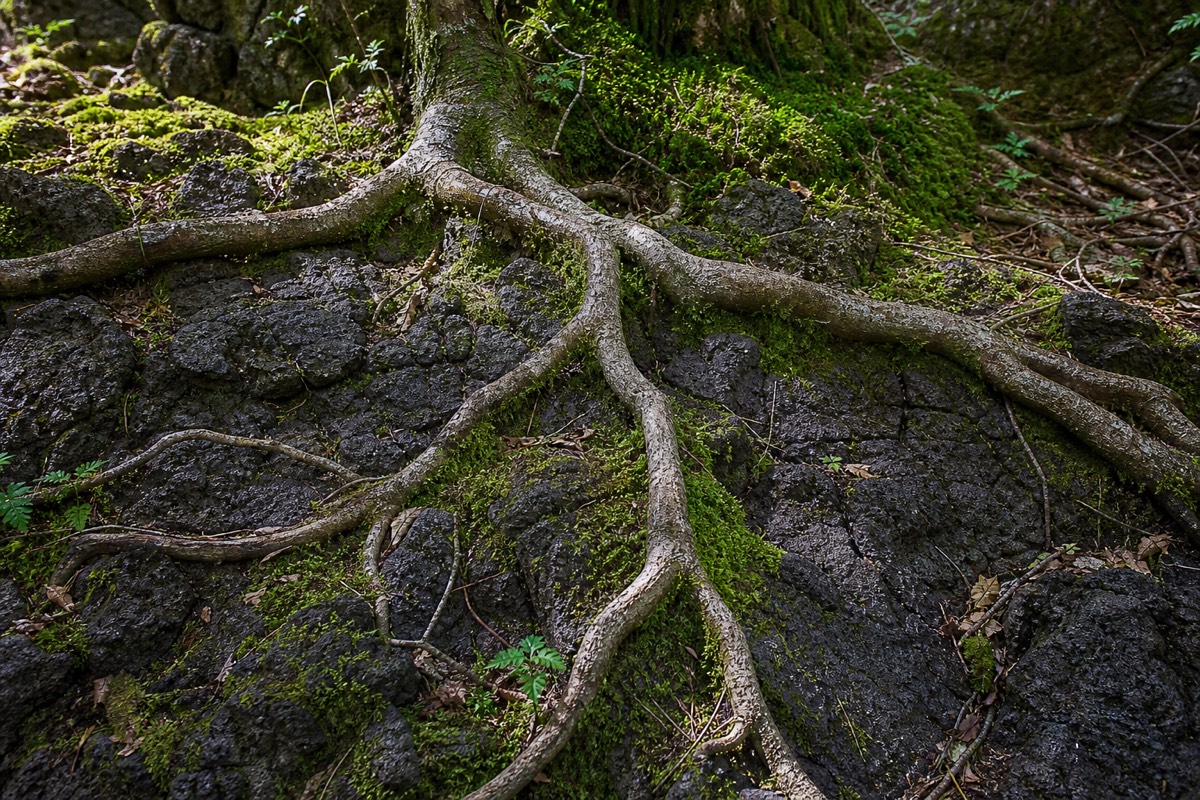
A forest walk. People who go in braced for something strange tend to come back describing moss, roots that run sideways across bare lava instead of down into soil, cold air spilling from cave mouths, and birdsong that sounds oddly close because nothing else is competing with it. The marked trails near the cave entrances are signed, well used and no harder underfoot than a normal woodland path, aside from lava rock that gets slick after rain.
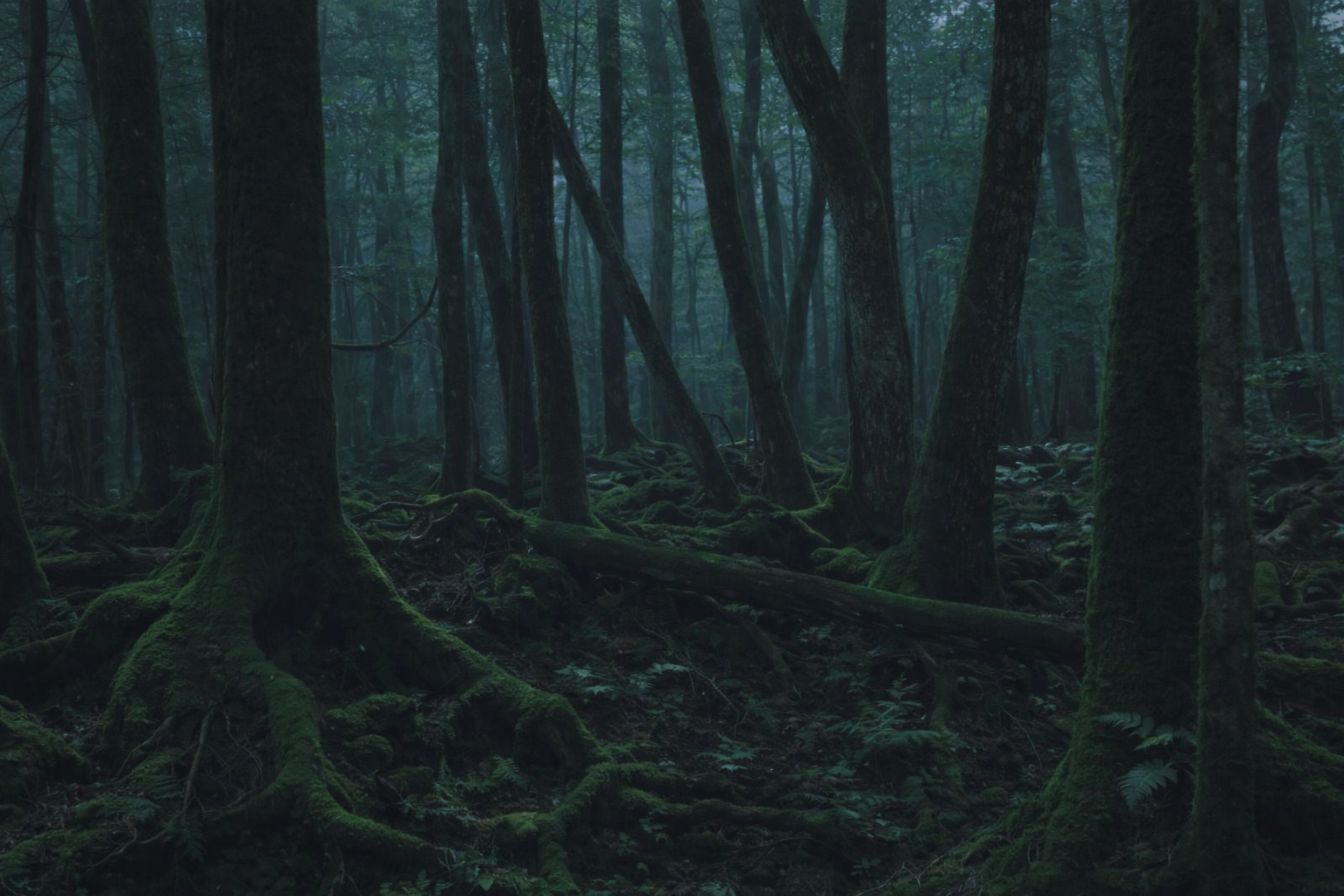
None of that is a disappointment once you know what you are looking at. A forest growing on a lava flow that hardened more than a thousand years ago is genuinely unusual, and the reason the trees look the way they do is the same reason the place sounds the way it does.
What About The Caves?
The lava tubes get folded into the mythology more than the forest does, which makes sense: they are cold, dark holes in the ground. What they actually are is plumbing. When the 864 CE lava flow cooled, the outer shell hardened while molten rock kept moving underneath and eventually drained away, leaving tunnels behind. Narusawa Ice Cave holds natural ice through the summer because its shape traps cold air near the floor, not because of anything stranger than physics. Fugaku Wind Cave stays cold for the same reason and was used to store silkworm eggs from the Edo period onward, which is a fairly unromantic use for a haunted cavern.
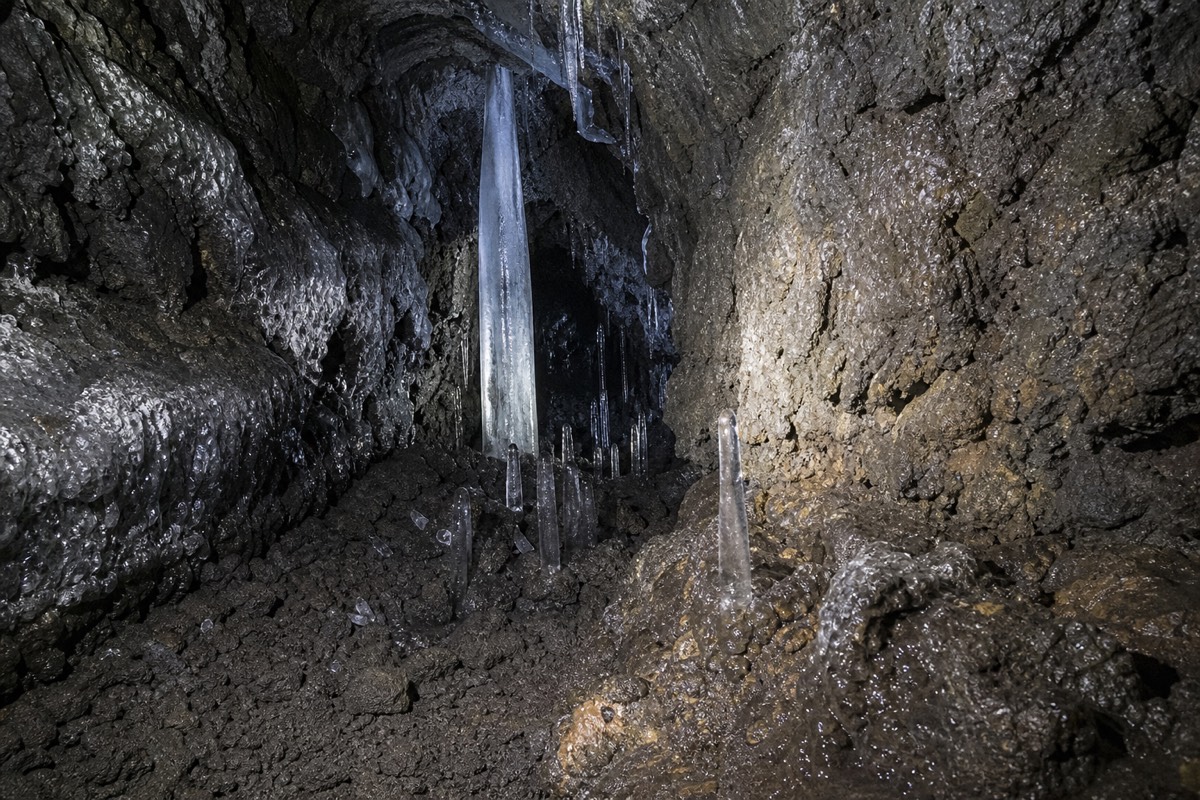
Both are lit, staffed, ticketed sites with hard hats at the entrance and a fixed route through. The Lake Saiko Bat Cave, the third of the three, is home to an actual bat colony, which may be the single most misread fact about the whole area.
Is It Disrespectful To Visit?
Not on the terms Yamanashi itself sets out. The prefecture actively promotes the forest for hiking, cave visits, birdwatching, nature photography and guided ecology walks, and it has expanded marked trails, signage and ranger presence to support exactly that kind of visit. What it asks is straightforward: treat it as a nature destination, stay on the official paths, and do not treat the forest's reputation as an attraction.
A guided Aokigahara trek fits that framing well, mainly because a local guide spends the walk on the geology, the ecology and the cave systems rather than the mythology. You leave knowing why the ground looks like that, which is more interesting than any of the stories.