Getting To Aokigahara Forest: Trains, Buses And Tours From Tokyo & Kawaguchiko
Aokigahara is closer to Tokyo than most first-time visitors assume: about 100 km, and a genuinely doable trip by public transport in half a day. The route just has more legs than people expect, and which combination of train, bus, car or tour actually works depends on how much time and flexibility you have. Here is every realistic option, with times and costs that hold up.
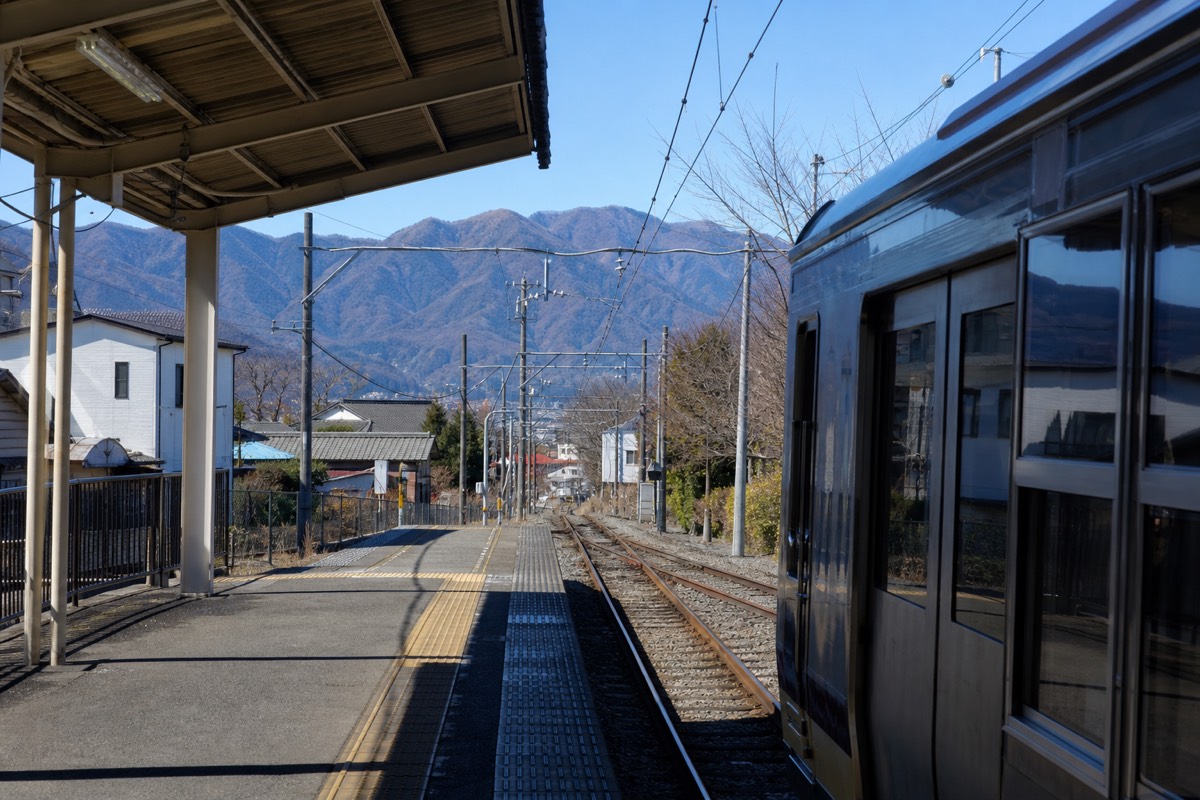
Japan's own national tourism organization, JNTO, publishes a specific route for reaching Aokigahara by public transport: take the Chuo Line to Takao, change to the Chuo Main Line, change again at Otsuki to the Fuji Kyuko Line to Kawaguchiko Station, and from there it's a 30 to 40 minute drive or bus ride to the forest, depending on traffic. That is the backbone route; most travelers today shortcut part of it with the direct Fuji Excursion limited express train, which covers the Tokyo-to-Kawaguchiko leg in one seat instead of three changes.
Central Tokyo pickup and local Kawaguchiko meeting points solve different journeys. Neither should be mistaken for an airport transfer.
10 hours: A private vehicle links the forest, Narusawa, Fugaku and lakeside stops in one day. English-speaking driver; central Tokyo pickup and return. Entrance fees, food and drinks are extra. Confirm your address and itinerary before booking.
Plan The Forest And Caves From Tokyo · Choose by time and starting pointTokyo to Aokigahara: rough time by method
Times are approximate journey lengths from central Tokyo to the Kawaguchiko/forest area, compiled from JR/Fujikyu published schedules and japan.travel's stated route; actual times vary with traffic, transfers and which cave or trailhead you're headed to.
What Is The Fastest Way To Aokigahara From Tokyo?
The Fuji Excursion limited express train from Shinjuku direct to Kawaguchiko Station, in around 1 hour 53 minutes, is the fastest single public transport option, followed by roughly 20 to 50 minutes on a local bus from the station into the forest. A private car or guided tour covers similar total time via the Chuo Expressway, closer to 2 hours door to door.
The Fuji Excursion runs as a through-service, meaning the train itself switches from regular commuter rail to Fujikyu Railway track without you needing to change platforms, which is what makes it faster and simpler than the older Chuo Line-to-Otsuki-to-Fujikyu route JNTO describes for travelers using ordinary trains. One-way fare is around ¥4,000 to ¥4,130 with a reserved seat.
From Tokyo: Train And Bus
Take the Fuji Excursion limited express (or a regular Chuo Line service changing at Otsuki) from Shinjuku to Kawaguchiko Station, then a local bus toward the Aokigahara cave area, roughly ¥830 and about 30 to 50 minutes depending on the stop. This is the standard independent-traveler route and works well if you're headed to one main destination inside the forest, such as Narusawa Ice Cave.
| Leg | Approx time | Approx cost (one way) |
|---|---|---|
| Shinjuku to Kawaguchiko (Fuji Excursion train) | ~1h53m | ~¥4,000-4,130 |
| Shinjuku to Kawaguchiko (regular train via Otsuki) | ~2h15-2h30 | ~¥2,500-3,000 |
| Kawaguchiko Station to the forest/cave area (local bus) | ~30-50 min | ~¥830 |
Bus frequency out to the Saiko and Aokigahara area is lower than the routes around Kawaguchiko's own lakeshore, so it's worth checking the timetable at the station rather than assuming a bus every few minutes. If you're visiting Narusawa Ice Cave specifically, note it closes at 5:30 PM, which shapes how late in the day this route stays practical.
From Tokyo: Highway Bus
Fujikyu highway buses run from Shinjuku's Busta terminal to Kawaguchiko Station roughly every 30 minutes, taking close to 2 hours, for a one-way fare around ¥1,750-2,200, cheaper than the train but a bit slower and subject to expressway traffic. From Kawaguchiko, the same local bus connection into the forest applies as above.
This is the budget-conscious route for the Tokyo-to-Kawaguchiko leg, and it is a reasonable trade if saving on fare matters more than the roughly 20 minutes the train saves you. Buy tickets online in advance during weekends and holiday periods, when seats sell out.
From Kawaguchiko Station: The Last Leg
Kawaguchiko Station to the forest is about 30 to 40 minutes by road, whether that's a local sightseeing bus, a taxi, or a private transfer, and this is the leg most first-time visitors underestimate, since it feels like it should be the "almost there" part of the trip but is nearly a third of the total journey time.
Options from the station: the Saiko Sightseeing Bus (Green Line), which runs toward the Saiko and Aokigahara cave area in around 30 to 50 minutes for about ¥830; a taxi, faster at roughly 20 to 30 minutes but considerably more expensive; or, if you're already committed to a guided tour, this leg is simply part of the booked itinerary and requires no separate planning.
By Rental Car
Self-driving from Tokyo covers the roughly 100 km via the Chuo Expressway in about 2 hours, and once you're in the Kawaguchiko area, the forest and its caves are another 20 to 40 minutes on local roads, with parking available at the main cave entrances. A car is the most flexible option if you want to string together multiple stops, the forest, a cave, and one or two Fuji Five Lakes viewpoints, in a single day without waiting on bus timetables.
The trade-offs are real: expressway tolls add to the cost, an international driving permit is required for most foreign visitors, and parking at the more popular caves fills up on weekends and during peak season. For a first visit to Japan, or if driving on the left is unfamiliar, this is usually the option with the steepest personal learning curve, even though it's mechanically the most direct route.
Do You Need A Car At All?
No. The main tourist-accessible parts of Aokigahara, the Narusawa Ice Cave, Fugaku Wind Cave and the marked trails around them, are reachable by public transport or a guided tour without a car, and thousands of visitors do exactly that every year. A car mainly buys flexibility and speed for stringing together multiple stops in one day; it is a convenience, not a requirement.
If your plan is a single focused visit to the forest and one cave, train-plus-bus or a guided day tour cover that comfortably. If your plan involves several Fuji Five Lakes stops plus the forest in one day, a car or a guided private tour (which effectively rents you the same flexibility with a driver) makes the day considerably less stressful.
Which Method Actually Suits You
| Method | Time (Tokyo to forest) | Approx cost | Best for |
|---|---|---|---|
| Train + local bus | ~2h40-3h10 | ~¥4,800-5,000 total | Independent travelers, one main stop |
| Highway bus + local bus | ~2h30-3h | ~¥2,600-3,000 total | Budget travelers |
| Rental car | ~2h15-2h30 incl. local roads | Car rental + tolls + fuel | Multi-stop days, comfortable driving in Japan |
| Guided tour | ~2h, door to door | Bundled into the tour price | No planning, multiple stops handled for you |
Whichever route you take, budget the return journey with the same care as the outbound one. Bus frequency into the Saiko/Aokigahara area thins out later in the day, and the last trains and buses back to Tokyo do have a cutoff, so it's worth knowing your return time before you commit to a late afternoon in the forest.
Coming From The Airport Rather Than Central Tokyo
Most international visitors fly into Haneda (HND), and there is no direct route from either Haneda or Narita straight to Aokigahara. The practical plan is to get into central Tokyo first and treat the forest as a separate day trip from there, rather than trying to route through the mountains on arrival day.
If you're on a tight layover or have a very early flight home, a private car or an airport-inclusive guided tour can be arranged to start or end at the airport instead of a hotel, but this adds real driving time on top of the roughly 2-hour Tokyo-to-forest leg, so it makes for a long single day. For most itineraries, settling into Tokyo first and giving the forest its own day, whether as a day trip or with an overnight near the lakes, is the less stressful sequence.
Mistakes That Cost People The Most Time
The recurring one is treating the Kawaguchiko-to-forest leg as an afterthought. It's easy to focus all your planning on the Tokyo-to-Kawaguchiko journey and assume the rest is a short hop, when in practice it's another 30 to 50 minutes on top. The second common mistake is not checking the local bus schedule into the Saiko/Aokigahara area in advance; those buses run less frequently than the ones around Kawaguchiko's own lakeshore, and missing one can mean a long wait or an expensive taxi. The third is cutting it close on the return trip and losing track of the last bus or train back, which on the Kawaguchiko side especially can strand you well before Tokyo's late-night transit options kick in.
Compare Your Whole-Party Costs
Use the same currency, dates, people and inclusions for both totals. Add transport, cave tickets, meals and any extras before comparing.
A difference may buy guiding, equipment or transport. It is not a saving unless both options cover what your party wants.